

STUDENT NUMBER: 13381377 BTE2601 UNIQUE NUMBER: 888252
QUESTION 1
1. In 1994 South Africa became a democracy, after many years under apartheid rule and
with the political change came a change in the curriculum. In 1995 the government
carried out an audit on teaching which revealed problems and in 1997 that DBE
(Department of Basic Education) launched a new curriculum policy, Curriculum 2005.
It was an outcome-based model. The National Streamlined Committee (NSC) had
amendments made and was replaced with The Curriculum and Assessment Policy
Statement (CAPS). The curriculum (how we teach) has gone from a more traditional
lecture method to an interactive and goal-orientated method. Assessment has
changed from traditional examinations to a continuous reflective process. The NSC
had subjects called Numeracy and Literacy which in CAPS are called Mathematics and
Language. The instructional time has been increased in the Foundation Phase (Grades
R-3) with a First Additional Language being added to the phase as well. All grades now
use a 7-point system and learning outcomes and assessment standards have been
replaced with specific aims and skills. CAPS is organised into topics and the learning
areas and programmes are called subjects which are taught in term-by-term and
week-by-week teaching plans.
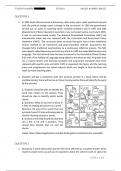
2. Students will get a worksheet with four pictures printed in a block (there will be
multiple blocks), there will be two or three rhyming words (they will identify the word
by the picture).
1. Students should be able to identify the
word that relates to the picture. They
should be able to identify which words
rhyme.
2. Question: What do you see in block 3?
It links to relating the picture to a word.
Question: Do any of the words that you
just said rhyme? It links with being able to
identify rhyming sounds in words.
3. In block 3, the child should say that they
see a hat, a cat and a pumpkin. They
should then identify that cat and hat
rhyme.
Image: https://planningplaytime.com/fall-kindergarten-worksheets-for-november
QUESTION 2
1. During my 5-week observation period I felt most affirmed as a student teacher when
students would come up and ask me questions about the school’s work or about my
PAGE 1|6
, STUDENT NUMBER: 13381377 BTE2601 UNIQUE NUMBER: 888252
life, this is because it made me feel as if they trusted and respected me in such a way
that they felt comfortable enough to ask for my help and take an interest in me and
my life.
I felt most disengaged as a student teacher during my observation when students
disrespected me, this is because I felt that as an adult I should be respected and as
someone who cares about their well-being, I felt that the total lack of respect made
me feel as though being a teacher could be a lot harder, mentally, than I could have
expected.
When students got hurt or felt that I hurt them when I was disciplining bad behaviour,
I felt that I had the greatest anxiety, and this is because know that they need the
discipline to not only succeed in the classroom but also in the real-world, I have learnt
that although it is tough to discipline children and that they may think you are hurting
their feelings, in the end it is in their best interest both for now and the future.
The older teachers took me by surprise in a positive way, I was so happy to see that
even though they had been working for so many years and they were still happy in
their jobs, and they wanted to continue to work long after the countries average
retirement age. This gives me hope that I can enjoy my job that much in the future.
Next year, when I must do my observation, I would change what school I go to because
I want to experience different school environments and how different economic and
cultural backgrounds change the way students learn and are taught and how those
teachers see their jobs.
I felt the proudest when I went back to the other grades that I had finished my
observation in, that the students recognised me and ran up to me to hug and speak to
me, I felt as if I have greatly impacted these students in ways that I can’t understand,
and it makes me want to work even harder to become a fully qualified teacher.
2. My main goals as a teacher are to inspire my students to give of their best in all that
they do, to ensure that they are always kind to others and show respect for all and to
keep all my students as happy as possible while they are under my care.
I will achieve my goal by encouraging all my students in the same way no matter their
background, and by doing this they will learn to respect and be kind to others from all
backgrounds. To ensure that my students are always as happy as possible, each
morning I will ask them how they are doing and if they are upset, I will speak to them
about how they are felling and try my best to give them a smile on their faces.
The main values I feel are associated with the profession are to be caring, to teach in
such a way that students feel inspired to work hard and to bring forward and nurture
a student’s skills and talents and they are important to me because as someone who
believes that teachers what holds society up and gives us what we have in life because
without teachers, we won’t have scientists and doctors etc.
My personal values are the same as those of my future profession, however, I also
value confidentiality. I want my students to feel comfortable enough to come to me
with their problems, to confide in me and to understand that what they say to me will
stay with me and not be told to anyone else unless what is being told to me in in some
way illegal or requires a social workers intervention.
PAGE 2|6
QUESTION 1
1. In 1994 South Africa became a democracy, after many years under apartheid rule and
with the political change came a change in the curriculum. In 1995 the government
carried out an audit on teaching which revealed problems and in 1997 that DBE
(Department of Basic Education) launched a new curriculum policy, Curriculum 2005.
It was an outcome-based model. The National Streamlined Committee (NSC) had
amendments made and was replaced with The Curriculum and Assessment Policy
Statement (CAPS). The curriculum (how we teach) has gone from a more traditional
lecture method to an interactive and goal-orientated method. Assessment has
changed from traditional examinations to a continuous reflective process. The NSC
had subjects called Numeracy and Literacy which in CAPS are called Mathematics and
Language. The instructional time has been increased in the Foundation Phase (Grades
R-3) with a First Additional Language being added to the phase as well. All grades now
use a 7-point system and learning outcomes and assessment standards have been
replaced with specific aims and skills. CAPS is organised into topics and the learning
areas and programmes are called subjects which are taught in term-by-term and
week-by-week teaching plans.
2. Students will get a worksheet with four pictures printed in a block (there will be
multiple blocks), there will be two or three rhyming words (they will identify the word
by the picture).
1. Students should be able to identify the
word that relates to the picture. They
should be able to identify which words
rhyme.
2. Question: What do you see in block 3?
It links to relating the picture to a word.
Question: Do any of the words that you
just said rhyme? It links with being able to
identify rhyming sounds in words.
3. In block 3, the child should say that they
see a hat, a cat and a pumpkin. They
should then identify that cat and hat
rhyme.
Image: https://planningplaytime.com/fall-kindergarten-worksheets-for-november
QUESTION 2
1. During my 5-week observation period I felt most affirmed as a student teacher when
students would come up and ask me questions about the school’s work or about my
PAGE 1|6
, STUDENT NUMBER: 13381377 BTE2601 UNIQUE NUMBER: 888252
life, this is because it made me feel as if they trusted and respected me in such a way
that they felt comfortable enough to ask for my help and take an interest in me and
my life.
I felt most disengaged as a student teacher during my observation when students
disrespected me, this is because I felt that as an adult I should be respected and as
someone who cares about their well-being, I felt that the total lack of respect made
me feel as though being a teacher could be a lot harder, mentally, than I could have
expected.
When students got hurt or felt that I hurt them when I was disciplining bad behaviour,
I felt that I had the greatest anxiety, and this is because know that they need the
discipline to not only succeed in the classroom but also in the real-world, I have learnt
that although it is tough to discipline children and that they may think you are hurting
their feelings, in the end it is in their best interest both for now and the future.
The older teachers took me by surprise in a positive way, I was so happy to see that
even though they had been working for so many years and they were still happy in
their jobs, and they wanted to continue to work long after the countries average
retirement age. This gives me hope that I can enjoy my job that much in the future.
Next year, when I must do my observation, I would change what school I go to because
I want to experience different school environments and how different economic and
cultural backgrounds change the way students learn and are taught and how those
teachers see their jobs.
I felt the proudest when I went back to the other grades that I had finished my
observation in, that the students recognised me and ran up to me to hug and speak to
me, I felt as if I have greatly impacted these students in ways that I can’t understand,
and it makes me want to work even harder to become a fully qualified teacher.
2. My main goals as a teacher are to inspire my students to give of their best in all that
they do, to ensure that they are always kind to others and show respect for all and to
keep all my students as happy as possible while they are under my care.
I will achieve my goal by encouraging all my students in the same way no matter their
background, and by doing this they will learn to respect and be kind to others from all
backgrounds. To ensure that my students are always as happy as possible, each
morning I will ask them how they are doing and if they are upset, I will speak to them
about how they are felling and try my best to give them a smile on their faces.
The main values I feel are associated with the profession are to be caring, to teach in
such a way that students feel inspired to work hard and to bring forward and nurture
a student’s skills and talents and they are important to me because as someone who
believes that teachers what holds society up and gives us what we have in life because
without teachers, we won’t have scientists and doctors etc.
My personal values are the same as those of my future profession, however, I also
value confidentiality. I want my students to feel comfortable enough to come to me
with their problems, to confide in me and to understand that what they say to me will
stay with me and not be told to anyone else unless what is being told to me in in some
way illegal or requires a social workers intervention.
PAGE 2|6


