
Nursing 1 Exam 1
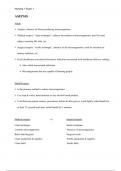
ASEPSIS
Vocab
• Asepsis: Absence of illness producing microorganisms
• Medical asepsis: “clean technique”, reduces the number of microorganisms; used for med
admin, inserting NG tube, etc
• Surgical asepsis: “sterile technique”, absence of all microorganisms; used for insertion of
urinary catheters, etc
• HAIs (healthcare associated infections): infections associated with healthcare delivery settings
‣ Also called nosocomial infections
‣ Microorganisms that are capable of harming people
Hand Hygiene
• Is the primary method to reduce microorganisms
• Use soap & water, hand sanitizer or any alcohol based product
• Used between patient contact, procedures, before & after gloves, wash lightly soiled hands for
at least 15 seconds and more soiled hands for 2 minutes
Medical asepsis vs. Surgical asepsis
Clean technique Sterile technique
Controls microorganisms Absence of microorganisms
Basic hand hygiene Surgical scrub
Clean equipment & supplies Sterile equipment & supplies
Clean field Sterile field
,Nursing 1 Exam 1
Surgical asepsis
• Compromised with prolonged exposure to airborne microorganisms
‣ Decrease risk by closing doors, closing curtains, clean area with germicide, limit amount
of foot traffic, put hair up, don’t cough/sneeze/talk/reach over a sterile field
• If a sterile field becomes contaminated you would need to get a new kit
• All objects must be sterile
• Sterilization
‣ Kills microorganisms including spores & viruses
‣ Methods: heat, boiling water, radiation
• Procedures: OR, L&D, catheter insertion, sterile dressing change, any procedure that requires
penetration of the skin
Natural body defenses
• Normal flora: Microorganisms including bacteria, protozoa, and fungi found in the mucous
membranes of the oral cavity, upper respiratory tract, intestines, and vagina
• Skin: First line of defense, largest organ in the body, natural barrier —> we're constantly
shedding cells eliminating external pathogens
• Inflammation: Responds to bodily injury
‣ Signs & symptoms: pain, warmth, edema, erythema
‣ The affected cells release chemicals to aide in removing the cause of injury
, Nursing 1 Exam 1
Sepsis
• Systemic response
• Complication of infection
• Occurs when chemicals are released into the bloodstream to fight an infection triggering
inflammatory responses throughout the body
• Signs & symptoms: fever, chills, malaise, fatigue, N/V/D, increased heart rate, increased
respirations, abdominal cramps, not wanting to eat or drink
Precautions
• Standard: hand washing & gloves; used with all patients at all times
• Airborne: negative airflow room, gloves, gown, N95 mask; used when microorganisms are
transmitted by small particles droplets
‣ TB, varicella, chicken pox/shingles, swine flu
• Droplet: private room, gloves, mask; used when microorganisms are transmitted by large
particle droplets
‣ Mumps, diphtheria, flu
• Contact: gloves & gown
‣ MRSA, C. Diff (do not use hand sanitizer, must wash hands with soap & water)
PPE Donning
1. Gown
2. Mask
3. Facesheild
4. Gloves
ASEPSIS
Vocab
• Asepsis: Absence of illness producing microorganisms
• Medical asepsis: “clean technique”, reduces the number of microorganisms; used for med
admin, inserting NG tube, etc
• Surgical asepsis: “sterile technique”, absence of all microorganisms; used for insertion of
urinary catheters, etc
• HAIs (healthcare associated infections): infections associated with healthcare delivery settings
‣ Also called nosocomial infections
‣ Microorganisms that are capable of harming people
Hand Hygiene
• Is the primary method to reduce microorganisms
• Use soap & water, hand sanitizer or any alcohol based product
• Used between patient contact, procedures, before & after gloves, wash lightly soiled hands for
at least 15 seconds and more soiled hands for 2 minutes
Medical asepsis vs. Surgical asepsis
Clean technique Sterile technique
Controls microorganisms Absence of microorganisms
Basic hand hygiene Surgical scrub
Clean equipment & supplies Sterile equipment & supplies
Clean field Sterile field
,Nursing 1 Exam 1
Surgical asepsis
• Compromised with prolonged exposure to airborne microorganisms
‣ Decrease risk by closing doors, closing curtains, clean area with germicide, limit amount
of foot traffic, put hair up, don’t cough/sneeze/talk/reach over a sterile field
• If a sterile field becomes contaminated you would need to get a new kit
• All objects must be sterile
• Sterilization
‣ Kills microorganisms including spores & viruses
‣ Methods: heat, boiling water, radiation
• Procedures: OR, L&D, catheter insertion, sterile dressing change, any procedure that requires
penetration of the skin
Natural body defenses
• Normal flora: Microorganisms including bacteria, protozoa, and fungi found in the mucous
membranes of the oral cavity, upper respiratory tract, intestines, and vagina
• Skin: First line of defense, largest organ in the body, natural barrier —> we're constantly
shedding cells eliminating external pathogens
• Inflammation: Responds to bodily injury
‣ Signs & symptoms: pain, warmth, edema, erythema
‣ The affected cells release chemicals to aide in removing the cause of injury
, Nursing 1 Exam 1
Sepsis
• Systemic response
• Complication of infection
• Occurs when chemicals are released into the bloodstream to fight an infection triggering
inflammatory responses throughout the body
• Signs & symptoms: fever, chills, malaise, fatigue, N/V/D, increased heart rate, increased
respirations, abdominal cramps, not wanting to eat or drink
Precautions
• Standard: hand washing & gloves; used with all patients at all times
• Airborne: negative airflow room, gloves, gown, N95 mask; used when microorganisms are
transmitted by small particles droplets
‣ TB, varicella, chicken pox/shingles, swine flu
• Droplet: private room, gloves, mask; used when microorganisms are transmitted by large
particle droplets
‣ Mumps, diphtheria, flu
• Contact: gloves & gown
‣ MRSA, C. Diff (do not use hand sanitizer, must wash hands with soap & water)
PPE Donning
1. Gown
2. Mask
3. Facesheild
4. Gloves


