

Inheritance tax
Inheritance tax generally
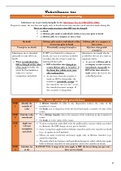
Inheritance tax is governed principally by the Inheritance Tax Act 1984 (IHTA 1984).
Despite its name, the tax does not apply only to death estates but can also catch transfers made during life.
There are three main occasions when IHT may be charged:
✓ on death
✓ on lifetime gifts made to individuals within seven years prior to death
✓ on lifetime gifts to a company or into a trust
On death Lifetime gifts made to individuals within Lifetime gifts to a company or
seven years prior to death into a trust
Transfers on death Potentially exempt transfers Lifetime chargeable
transfers
Inheritance tax is intended If IHT were limited to a charge on Inheritance tax might also be
primarily to take effect on death, one way to avoid tax would be avoided by the use of a trust or
death. to reduce the size of one’s estate by corporate entity.
→ When an individual dies, making lifetime gifts → At present a lifetime gift to
IHT is charged on the value → IHT is therefore also charged on a company or into a trust is
of his estate (broadly, his certain lifetime gifts or ‘transfers’ if immediately chargeable to
assets less his liabilities) the donor dies within seven years IHT at the time when it is
subject to various after making them. made unless the trust is for
exemptions and reliefs. → At the time when the transfer is a disabled person.
made no IHT is chargeable, the
transfer is ‘potentially exempt’. If
the transferor survives for 7 years,
the transfer becomes exempt. If
dies, transfer is chargeable.
The main charging provisions
STEP Identify the ✓ A lifetime transfer of value is any disposition reduces the value of the
1 transfer of transferor’s estate.
value ✓ On death, tax is charged as if the deceased had made a transfer of value of his
estate.
STEP Find the value ✓ For a lifetime transfer, this is the amount of the reduction in the transferor’s
2 transferred estate.
✓ On death, it is the value of the estate.
STEP Apply any → Various exemptions and reliefs exist for public policy reasons which can reduce
3 relevant or eliminate the IHT charge on any given transfer.
exemptions → Some exemptions apply both to lifetime transfers and to the transfer on death
and reliefs (e.g., to spouse or civil partner).
→ Others are more restricted, and many apply only to lifetime transfers (e.g.,
annual exemption).
→ The main reliefs are business and agricultural property relief, which may apply
both to lifetime transfers of such property and to the transfer on death.
STEP Calculate tax RATE OF TAX: A range of tax rates apply to IHT, the lowest being zero per cent –
4 at the there are two bands
1
,appropriate 1 the nil rate band (currently £325,000) – available for all transfers of value;
rate 2 the residence nil rate band (currently £175,000) – available only on a transfer
on death where there is a ‘qualifying residential interest’.
→ The rate of tax that applies in excess of the nil rate band and the residence nil
rate band (where applicable) varies according to the type of transfer (see
below).
CUMULATION: whether the nil rate band is available for any chargeable transfer.
→ The nil rate band will not be available in full (or at all) for any given transfer.
→ In order to calculate the available nil rate band on any transfer, whether
during lifetime or on death, one must first look back over the 7 years
immediately preceding the transfer.
→ Any chargeable transfers made by the transferor during the 7-year period must
be taken into account in order to determine how much of the nil rate band
remains available.
→ As the residence nil rate band is not available for lifetime transfers, it will be
available in full on death, subject to any adjustments in relation to estates over
£2 million. Cumulation is not relevant.
2
, Transfers on death (4.3, p45)
The charging provision steps
Step 1: identify the transfer of value (4.3.1)
When someone dies, he is treated as having made a transfer of value immediately before his death:
“X is deemed to make a transfer of value on death of everything to which he was beneficially entitled”.
Step 2: find the value transferred (4.3.2)
“Value → “Value transferred” = value of the deceased estate immediately before his death.
transferred” → “Estate” = all the property to which he was beneficially entitled immediately before his death.
= o Property which passes under the deceased’s will or on intestacy.
The deceased o Property to which deceased was ‘beneficially entitled’ immediately before his death
estate but which does not pass under his will or intestacy, e.g., joint tenancy.
o Deceased is not entitled to an interest under trust which has not vested.
o Property included because of special statutory provisions, e.g.:
i. Certain trust property; and
ii. Property given away by the deceased in his lifetime, but which is ‘subject to a
reservation’ at the time of death.
▪ The Finance Act 1986 contains provisions designed to prevent people from
avoiding tax by giving property away more than seven years before death
but continuing to enjoy the benefit of the property.
▪ Applies where the deceased gave away property during his lifetime but did
not transfer ‘possession and enjoyment’ of the property to the donee or
was not entirely excluded from enjoying the property.
▪ If property is subject to a reservation at the time of the doner’s death, the
donor is treated as being ‘beneficially entitled’ to the property.
3
Inheritance tax generally
Inheritance tax is governed principally by the Inheritance Tax Act 1984 (IHTA 1984).
Despite its name, the tax does not apply only to death estates but can also catch transfers made during life.
There are three main occasions when IHT may be charged:
✓ on death
✓ on lifetime gifts made to individuals within seven years prior to death
✓ on lifetime gifts to a company or into a trust
On death Lifetime gifts made to individuals within Lifetime gifts to a company or
seven years prior to death into a trust
Transfers on death Potentially exempt transfers Lifetime chargeable
transfers
Inheritance tax is intended If IHT were limited to a charge on Inheritance tax might also be
primarily to take effect on death, one way to avoid tax would be avoided by the use of a trust or
death. to reduce the size of one’s estate by corporate entity.
→ When an individual dies, making lifetime gifts → At present a lifetime gift to
IHT is charged on the value → IHT is therefore also charged on a company or into a trust is
of his estate (broadly, his certain lifetime gifts or ‘transfers’ if immediately chargeable to
assets less his liabilities) the donor dies within seven years IHT at the time when it is
subject to various after making them. made unless the trust is for
exemptions and reliefs. → At the time when the transfer is a disabled person.
made no IHT is chargeable, the
transfer is ‘potentially exempt’. If
the transferor survives for 7 years,
the transfer becomes exempt. If
dies, transfer is chargeable.
The main charging provisions
STEP Identify the ✓ A lifetime transfer of value is any disposition reduces the value of the
1 transfer of transferor’s estate.
value ✓ On death, tax is charged as if the deceased had made a transfer of value of his
estate.
STEP Find the value ✓ For a lifetime transfer, this is the amount of the reduction in the transferor’s
2 transferred estate.
✓ On death, it is the value of the estate.
STEP Apply any → Various exemptions and reliefs exist for public policy reasons which can reduce
3 relevant or eliminate the IHT charge on any given transfer.
exemptions → Some exemptions apply both to lifetime transfers and to the transfer on death
and reliefs (e.g., to spouse or civil partner).
→ Others are more restricted, and many apply only to lifetime transfers (e.g.,
annual exemption).
→ The main reliefs are business and agricultural property relief, which may apply
both to lifetime transfers of such property and to the transfer on death.
STEP Calculate tax RATE OF TAX: A range of tax rates apply to IHT, the lowest being zero per cent –
4 at the there are two bands
1
,appropriate 1 the nil rate band (currently £325,000) – available for all transfers of value;
rate 2 the residence nil rate band (currently £175,000) – available only on a transfer
on death where there is a ‘qualifying residential interest’.
→ The rate of tax that applies in excess of the nil rate band and the residence nil
rate band (where applicable) varies according to the type of transfer (see
below).
CUMULATION: whether the nil rate band is available for any chargeable transfer.
→ The nil rate band will not be available in full (or at all) for any given transfer.
→ In order to calculate the available nil rate band on any transfer, whether
during lifetime or on death, one must first look back over the 7 years
immediately preceding the transfer.
→ Any chargeable transfers made by the transferor during the 7-year period must
be taken into account in order to determine how much of the nil rate band
remains available.
→ As the residence nil rate band is not available for lifetime transfers, it will be
available in full on death, subject to any adjustments in relation to estates over
£2 million. Cumulation is not relevant.
2
, Transfers on death (4.3, p45)
The charging provision steps
Step 1: identify the transfer of value (4.3.1)
When someone dies, he is treated as having made a transfer of value immediately before his death:
“X is deemed to make a transfer of value on death of everything to which he was beneficially entitled”.
Step 2: find the value transferred (4.3.2)
“Value → “Value transferred” = value of the deceased estate immediately before his death.
transferred” → “Estate” = all the property to which he was beneficially entitled immediately before his death.
= o Property which passes under the deceased’s will or on intestacy.
The deceased o Property to which deceased was ‘beneficially entitled’ immediately before his death
estate but which does not pass under his will or intestacy, e.g., joint tenancy.
o Deceased is not entitled to an interest under trust which has not vested.
o Property included because of special statutory provisions, e.g.:
i. Certain trust property; and
ii. Property given away by the deceased in his lifetime, but which is ‘subject to a
reservation’ at the time of death.
▪ The Finance Act 1986 contains provisions designed to prevent people from
avoiding tax by giving property away more than seven years before death
but continuing to enjoy the benefit of the property.
▪ Applies where the deceased gave away property during his lifetime but did
not transfer ‘possession and enjoyment’ of the property to the donee or
was not entirely excluded from enjoying the property.
▪ If property is subject to a reservation at the time of the doner’s death, the
donor is treated as being ‘beneficially entitled’ to the property.
3


