INF3708 – Software Project Management
Chapter 9
Monitoring and control
9.1 Introduction
Once work schedules have been published and the project is started, attention must be focused on
progress. This requires monitoring of what is happening, comparison of actual achievement against the
schedule and, where necessary, revision of plans and schedules to bring the project as far as possible
back on target.
9.2 Creating the framework
Exercising control over a project and ensuring that targets are met is a matter of regular monitoring –
finding out what is happening and comparing it with targets.
There might be a mismatch between the planned outcomes and the actual ones.
Re-planning may then be needed to bring the project back on target.
Alternatively the target could have been revised.
Figure 9.1 illustrate a model of the project control cycle and shows how the initial project plan has been
published, project control is a continual process of monitoring progress against that plan and, where
necessary, revising the plan to take account of deviations. It also illustrates the important steps that
must be taken after completion of the project so that the experience gained in any one project can feed
into the planning stages of future projects, thus allowing us to learn from the past.
In practice we are normally concerned with four types of shortfall – delays in meeting target dates,
shortfalls in quality, inadequate functionality, and cost going over target.
Responsibility
The overall responsibility for ensuring satisfactory progress on a project is often the role of the project
steering committee, project management board or, PRINCE2, Project board. Day-to-day responsibility
will rest with the project manager and, in all but the smallest of projects, aspects of this can be
delegated to team leaders.
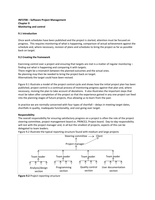
Figure 9.2 illustrate the typical reporting structure found with medium and large projects
Steering committee Client
Project manager
Team leader Team leader Team leader Team leader
Analysis/design Programming Quality control User documentation
section section section section
Figure 9.2 Project reporting structure
Chapter 9
Monitoring and control
9.1 Introduction
Once work schedules have been published and the project is started, attention must be focused on
progress. This requires monitoring of what is happening, comparison of actual achievement against the
schedule and, where necessary, revision of plans and schedules to bring the project as far as possible
back on target.
9.2 Creating the framework
Exercising control over a project and ensuring that targets are met is a matter of regular monitoring –
finding out what is happening and comparing it with targets.
There might be a mismatch between the planned outcomes and the actual ones.
Re-planning may then be needed to bring the project back on target.
Alternatively the target could have been revised.
Figure 9.1 illustrate a model of the project control cycle and shows how the initial project plan has been
published, project control is a continual process of monitoring progress against that plan and, where
necessary, revising the plan to take account of deviations. It also illustrates the important steps that
must be taken after completion of the project so that the experience gained in any one project can feed
into the planning stages of future projects, thus allowing us to learn from the past.
In practice we are normally concerned with four types of shortfall – delays in meeting target dates,
shortfalls in quality, inadequate functionality, and cost going over target.
Responsibility
The overall responsibility for ensuring satisfactory progress on a project is often the role of the project
steering committee, project management board or, PRINCE2, Project board. Day-to-day responsibility
will rest with the project manager and, in all but the smallest of projects, aspects of this can be
delegated to team leaders.
Figure 9.2 illustrate the typical reporting structure found with medium and large projects
Steering committee Client
Project manager
Team leader Team leader Team leader Team leader
Analysis/design Programming Quality control User documentation
section section section section
Figure 9.2 Project reporting structure