The principles of management accounting
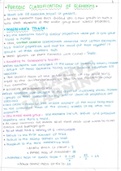
The principles of management accounting provide a framework for producing and analyzing
financial information that is used by managers within an organization to make informed
business decisions. These principles include the following:
Cost-benefit analysis: Management accountants should evaluate the costs and benefits of
collecting and analyzing financial information to ensure that it provides value to the
organization. This helps to ensure that resources are used effectively and efficiently.
Planning and control: Management accountants should assist managers with developing
and implementing plans and strategies to achieve the organization's goals. They should also
provide information that helps managers monitor and control operations to ensure that
they are on track to achieve those goals.
Performance measurement: Management accountants should provide managers with
information that helps them evaluate the performance of the organization and individual
business units. This can include financial metrics such as revenue, profit, and return on
investment, as well as non-financial metrics such as customer satisfaction and employee
engagement.
Forecasting: Management accountants should use historical financial information and other
data to develop forecasts of future performance. This can help managers anticipate changes
in the business environment and make strategic decisions to address them.
Decision analysis: Management accountants should assist managers with evaluating
different courses of action and making informed decisions. This can involve analyzing the
costs and benefits of different options, assessing the risks associated with each option, and
recommending the best course of action.
The principles of management accounting provide a framework for producing and analyzing
financial information that is used by managers within an organization to make informed
business decisions. These principles include the following:
Cost-benefit analysis: Management accountants should evaluate the costs and benefits of
collecting and analyzing financial information to ensure that it provides value to the
organization. This helps to ensure that resources are used effectively and efficiently.
Planning and control: Management accountants should assist managers with developing
and implementing plans and strategies to achieve the organization's goals. They should also
provide information that helps managers monitor and control operations to ensure that
they are on track to achieve those goals.
Performance measurement: Management accountants should provide managers with
information that helps them evaluate the performance of the organization and individual
business units. This can include financial metrics such as revenue, profit, and return on
investment, as well as non-financial metrics such as customer satisfaction and employee
engagement.
Forecasting: Management accountants should use historical financial information and other
data to develop forecasts of future performance. This can help managers anticipate changes
in the business environment and make strategic decisions to address them.
Decision analysis: Management accountants should assist managers with evaluating
different courses of action and making informed decisions. This can involve analyzing the
costs and benefits of different options, assessing the risks associated with each option, and
recommending the best course of action.