

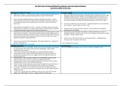
‘By 1509, Henry VII had established his authority across the whole of England.’
Assess the validity of this view.
Paragraph 1: Pretenders to the throne Paragraph 2: Nobility
1. 1506 Treaty of Windsor – restored friendly relations meaning Maximilian agreed to give up 1. Henry VII realised from the start that in order to be strong he had to be rich.” Lord
Suffolk, who was duly imprisoned, tempering threat he posed to HVIII authority. Burgavenny of Kent is the best example. In 1507 Burgavenny accepted a bond for £70,000
for illegally retaining 418 men. Yet Henry VII allowed Burgavenny to accept the bond as
2. Henry had largely established authority. Authority established in the North – Lambert £5000 over ten years which bound Burgavenny and his heirs. Ensures his loyalty over ten
Simnel, posing as Earl of Warwick, captured in the 1487 Battle of Stoke Field, and Earl of years. Measures against retaining ensured limited challenge to authority from nobles
Lincoln killed. Reinstated Earl of Northumberland in the North to neutralise Richard III
power base. 2. Earl of Surrey effectively governed Yorkshire – strategically important area. Resulted from
Act of attainder – Howard estates returned in 1492.
3. Perkin Warbeck also mitigated as a threat – executed in 1499 after captured in Cornwall.
Bolstered Henry’s authority as also reduced threat of further foreign support of pretenders 3. Stanley last noble to undermine HVII’s authority – measures effective in establishing
– Warbeck had garnered support of France, Scotland, Burgundy etc. authority across all of England.
1. Both Edmund de la Pole and Richard de la Pole remained at large. Suffolk and de la Pole had 1. Henry did not exercise full control over nobility – demonstrated that he was wary of
genuine claims to the throne – detracted from HVIII’s authority. Though Suffolk captured overmighty magnates. Therefore forced to rely on JPs in attempt to dilute power of nobility
and imprisoned in 1506 following Treaty of Windsor, fears persisted upon Henry VII’s death. and gentry – average of 18 per county.
Henry gave the Habsburgs over £250,000 in the form of ‘loans’ that were never repaid –
Suffolk not irrelevant or insubstantial threat. 2. Forced to rely on those did not fully trust e.g. Marquis of Dorset – established spying
network to report on magnate performance.
2. There were fears that the Duke of Buckingham – descendant of Edward III – might launch
attempt at seizing throne. J: most of England, but not whole.
J: Overall, most of England, but not ‘the whole’.
Paragraph 3: Succession Overall judgement
1. Although there were fears that Suffolk + Richard de la Pole and Buckingham would attempt Henry had established his authority across most, but not whole, of England by 1509.
to seize the throne, the accession of Henry VIII was unchallenged – Henry VIII had
established dynastic authority.
2. Terms of the succession were upheld. Bishop Fox and Richard Weston did delay
announcement of Henry’s death, positioning themselves around the new king, but no
attempt made to displace Henry as heir. Suggests Henry had established authority as
dynasty largely secure.
1. Death of Arthur in 1502 and death of Elizabeth in 1503 destabilised dynastic security –
Prince Henry left as heir to the throne without any appealing alternatives.
2. Following death of Arthur, Henry sought marriage between Catherine and Prince Henry
(originally Arthur as part of Treaty de Meldina del Camp.
3. Henry had made marriage proposals to Juana of Naples, Margaret of Savoy and Joanna of
Castile – all unsuccessful as proved reluctant to marry and Henry lost enthusiasm.
4. The Treaty of Perpetual Peace was sealed with the marriage of Margaret and James in
August 1503 – successful as earned dynastic recognition and connected English dynasty to
Scottish monarchy.
5. J: had Henry’s authority been fully established, would not have entered into marriage
alliances up to 1509. Failed to re-marry – suggests authority not fully secure.
Assess the validity of this view.
Paragraph 1: Pretenders to the throne Paragraph 2: Nobility
1. 1506 Treaty of Windsor – restored friendly relations meaning Maximilian agreed to give up 1. Henry VII realised from the start that in order to be strong he had to be rich.” Lord
Suffolk, who was duly imprisoned, tempering threat he posed to HVIII authority. Burgavenny of Kent is the best example. In 1507 Burgavenny accepted a bond for £70,000
for illegally retaining 418 men. Yet Henry VII allowed Burgavenny to accept the bond as
2. Henry had largely established authority. Authority established in the North – Lambert £5000 over ten years which bound Burgavenny and his heirs. Ensures his loyalty over ten
Simnel, posing as Earl of Warwick, captured in the 1487 Battle of Stoke Field, and Earl of years. Measures against retaining ensured limited challenge to authority from nobles
Lincoln killed. Reinstated Earl of Northumberland in the North to neutralise Richard III
power base. 2. Earl of Surrey effectively governed Yorkshire – strategically important area. Resulted from
Act of attainder – Howard estates returned in 1492.
3. Perkin Warbeck also mitigated as a threat – executed in 1499 after captured in Cornwall.
Bolstered Henry’s authority as also reduced threat of further foreign support of pretenders 3. Stanley last noble to undermine HVII’s authority – measures effective in establishing
– Warbeck had garnered support of France, Scotland, Burgundy etc. authority across all of England.
1. Both Edmund de la Pole and Richard de la Pole remained at large. Suffolk and de la Pole had 1. Henry did not exercise full control over nobility – demonstrated that he was wary of
genuine claims to the throne – detracted from HVIII’s authority. Though Suffolk captured overmighty magnates. Therefore forced to rely on JPs in attempt to dilute power of nobility
and imprisoned in 1506 following Treaty of Windsor, fears persisted upon Henry VII’s death. and gentry – average of 18 per county.
Henry gave the Habsburgs over £250,000 in the form of ‘loans’ that were never repaid –
Suffolk not irrelevant or insubstantial threat. 2. Forced to rely on those did not fully trust e.g. Marquis of Dorset – established spying
network to report on magnate performance.
2. There were fears that the Duke of Buckingham – descendant of Edward III – might launch
attempt at seizing throne. J: most of England, but not whole.
J: Overall, most of England, but not ‘the whole’.
Paragraph 3: Succession Overall judgement
1. Although there were fears that Suffolk + Richard de la Pole and Buckingham would attempt Henry had established his authority across most, but not whole, of England by 1509.
to seize the throne, the accession of Henry VIII was unchallenged – Henry VIII had
established dynastic authority.
2. Terms of the succession were upheld. Bishop Fox and Richard Weston did delay
announcement of Henry’s death, positioning themselves around the new king, but no
attempt made to displace Henry as heir. Suggests Henry had established authority as
dynasty largely secure.
1. Death of Arthur in 1502 and death of Elizabeth in 1503 destabilised dynastic security –
Prince Henry left as heir to the throne without any appealing alternatives.
2. Following death of Arthur, Henry sought marriage between Catherine and Prince Henry
(originally Arthur as part of Treaty de Meldina del Camp.
3. Henry had made marriage proposals to Juana of Naples, Margaret of Savoy and Joanna of
Castile – all unsuccessful as proved reluctant to marry and Henry lost enthusiasm.
4. The Treaty of Perpetual Peace was sealed with the marriage of Margaret and James in
August 1503 – successful as earned dynastic recognition and connected English dynasty to
Scottish monarchy.
5. J: had Henry’s authority been fully established, would not have entered into marriage
alliances up to 1509. Failed to re-marry – suggests authority not fully secure.


