

Lambert Simnel
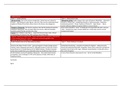
Topic 1 – Lambert Simnel Topic 2 – Edmund de la Pole
John de la Pole: ‘First of the serious conspiracies’. Simnel was not a threat in Edmund de la Pole Sought refuge at the court of Emperor Maximilian – referred to
himself – had backing of major figures. John de la Pole was the underlying threat – himself as ‘White Rose’, establishing himself as Yorkist pretender. Maximilian
nephew of Richard III and had a direct claim to the throne, thus dangerous. immensely powerful – threat. Nephew of Richard III – major threat –– Henry
lacked sufficient weight in European Politics to secure release.
Margaret of Burgundy: The Simnel conspiracy also had the backing of powerful Henry paid £250,000 in “loans” to Habsburgs and suspended all trade in January
Margaret of Burgundy, who provided 2000 mercenaries. Offered hospitality 1505 – showed how major a threat Suffolk was. Could easily venture around
towards Lambert Simnel and John de la Pole. Scotland and Ireland.
Ireland: Earl of Kildare major figure – supported Simnel’s bogus claim. Simnel
crowned King of Ireland in May 1487, posing as Earl of Warwick.
However, Simnel not major threat – Henry had ample time to prepare. Edmund de
la Pole troubled Henry for 5 years. Suffolk only received hospitality of the
Habsburgs and Maximilian, whereas…
Perkin Warbeck more of an international problem. Topic 4 – Perkin Warbeck in Scotland.
Posed as the Duke of York in 1491 – garnered support of major foreign powers: Particularly threatening – proximity of Scotland to England – national security
Ireland, France, Burgundy and James IV. Although invasion in 1495 was a fiasco, threat and undermined dynastic recognition. Steven Gunn notes that ‘perhaps the
posed threat as it revealed betrayal of Sir William Stanley. Christine Carpenter greatest crisis of Henry VII’s reign’. Warbeck crossed border in 1496 with army in
notes that revealed Henry was vulnerable where he should have been secure. the north of England.
Perkin Warbeck received hospitality of Burgundy – this undermined dynastic In turn, Henry forced to raise taxes for war – led to Cornish Rebellion.
recognition. Led to embargo in 1493 at the expense of trade, which was an
important factor.
Conclusion
Agree
Topic 1 – Lambert Simnel Topic 2 – Edmund de la Pole
John de la Pole: ‘First of the serious conspiracies’. Simnel was not a threat in Edmund de la Pole Sought refuge at the court of Emperor Maximilian – referred to
himself – had backing of major figures. John de la Pole was the underlying threat – himself as ‘White Rose’, establishing himself as Yorkist pretender. Maximilian
nephew of Richard III and had a direct claim to the throne, thus dangerous. immensely powerful – threat. Nephew of Richard III – major threat –– Henry
lacked sufficient weight in European Politics to secure release.
Margaret of Burgundy: The Simnel conspiracy also had the backing of powerful Henry paid £250,000 in “loans” to Habsburgs and suspended all trade in January
Margaret of Burgundy, who provided 2000 mercenaries. Offered hospitality 1505 – showed how major a threat Suffolk was. Could easily venture around
towards Lambert Simnel and John de la Pole. Scotland and Ireland.
Ireland: Earl of Kildare major figure – supported Simnel’s bogus claim. Simnel
crowned King of Ireland in May 1487, posing as Earl of Warwick.
However, Simnel not major threat – Henry had ample time to prepare. Edmund de
la Pole troubled Henry for 5 years. Suffolk only received hospitality of the
Habsburgs and Maximilian, whereas…
Perkin Warbeck more of an international problem. Topic 4 – Perkin Warbeck in Scotland.
Posed as the Duke of York in 1491 – garnered support of major foreign powers: Particularly threatening – proximity of Scotland to England – national security
Ireland, France, Burgundy and James IV. Although invasion in 1495 was a fiasco, threat and undermined dynastic recognition. Steven Gunn notes that ‘perhaps the
posed threat as it revealed betrayal of Sir William Stanley. Christine Carpenter greatest crisis of Henry VII’s reign’. Warbeck crossed border in 1496 with army in
notes that revealed Henry was vulnerable where he should have been secure. the north of England.
Perkin Warbeck received hospitality of Burgundy – this undermined dynastic In turn, Henry forced to raise taxes for war – led to Cornish Rebellion.
recognition. Led to embargo in 1493 at the expense of trade, which was an
important factor.
Conclusion
Agree


