NR 293 Exam 2 Study Guide final Latest Updated
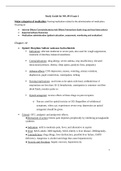
Major categories of medication: Nursing implication related to the administration of medication. Focusing on Adverse Effects/Contraindications/side Effects/interactions (both drug and food interactions) Expected actions/Outcomes Medication administration (patient education, assessment, monitoring and evaluation) Chapter 10 Opioid: Morphine Sulfate/ naloxone hydrochloride Indications: alleviate moderate to severe pain, also used for cough suppression, treatment of diarrhea, balanced anesthesia Contraindications: drug allergy, severe asthma, resp insufficiency, elevated intracranial pressure, obesity, sleep apnea, paralytic ileus, pregnancy Adverse effects: CNS depression, nausea, vomiting, urinary retention, diaphoresis, pupil constriction, constipation, itching Nursing implications: oral forms to be taken with food, withhold dose if respirations are less than 10-12 breaths/min, constipation is common- eat fiber drink fluids, monitor pulse ox Opioid antagonist: reverse effects of these drugs on pain receptors. o Narcan: used for opioid toxicity or OD. Regardless of withdrawal symptoms, when a pt. experiences severe resp. depression an opioid antagonist should be given. Tylenol: OTC, analgesic and antipyretic effects. ●Mechanism of action: blocks pain impulses peripherally by inhibiting prostaglandin synthesis ● Indication: mild to moderate pain, fever, and alternative to aspirin ● Dose: MAX adults: 3000 mg/daily, MAX elderly w liver disease: 2000mg/daily, ● Contradictions: drug allergy, liver dysfunction, possible liver failure, G6PD deficiency- dangerous w alcohol and drugs that cause hepatotoxicity ● Toxicity a
Document information
- Uploaded on
- March 21, 2023
- Number of pages
- 13
- Written in
- 2022/2023
- Type
- Exam (elaborations)
- Contains
- Unknown