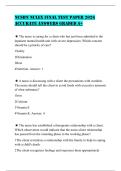
ENTOMOLOGY PRELIMINARY
EXAMINATION QUESTIONS & ANSWERS
2022 UPDATE Multiple Guess - Select the BEST answer
that completes the sentence or answers the
question. Studies have shown that your first
guess is usually the best! Really, there are
probably only two answers that may fit so
you have to decide which of these two is
best. Good luck.
1.Annelids and arthropods both have
exoskeletons. The major body characteristic
that separates these two phyla is:
A.presence or absence of an exoskeleton;
B.jointed external appendages;
C.bilateral symmetry;
D.segmentation.
2.Most movies that have dangerous desert
scenes feature scorpions, but most of the
species of scorpions live in the:
A.temperate North America;
B.tropics of the world;
C.Australian continent;
D.subtropical Asian zone.
3.Which of the following is not a
mandibulate appendage?
A.mandibles;
B.labium;
C.maxillary palps;
D.pedipalps. (pedipalps are a chelicerate appendage)
4.Dragonflies (Odonata), stoneflies
(Plecoptera), and Mayflies (Ephemeroptera)
have which of the following in common?
A.nymphs called naiads;
B.hind wings that are held out to the side of
the body;C.sucking, mandibulate mouthparts;
D.no caudal appendages.
5.True social insects:
A.have castes and division of labor;
B.hang out at bars!;
C.have females as the primary worker cast;
D.use males only as sperm donors.
6.Which of the following groups contains the most species?
A.beetles (Coleoptera);
B.the insects with an incomplete life cycle
(= simple metamorphosis);
C.scorpions (Scorpionida);
D.moths and butterflies (Lepidoptera).
7.Which of the following orders is very
difficult to characterize because of the large
number of diverse forms?
A.Hemiptera (true bugs and bug-like insects);
B.Dermaptera (earwigs);
C.Lepidoptera (butterflies & moths);
D.Siphonaptera (fleas).
8.One of the main differences between a
plant eukaryote cell and an animal eukaryote
cells is the presence of a cell wall (of
cellulose) and:
A.chloroplasts (photosynthesis organelles);
B.no defined nucleus;
C.flagella on the sperm;
D.mitochondria.
9.The insect fat body:
A.is dispersed throughout most of the body cavity;
B.serves to store nutrients;
C.converts and detoxifies chemicals;
D.all of these.
10.In behavior lab, we decapitated a
cockroach. The most common question from
students is, “how long can it live?” The
body can stay alive:
A.for months if the wound is sealed;
B.for only a few hours, even if the wound
is sealed;
C.not very long because the trachea arise
from the head and as soon as the head is
gone, there is no more oxygen supplied to
the body;
D.for years and years, as long as water and
sugar is injected into the haemocoel (body
cavity).
11.This term is most often used to describe
the vision of the insect compound eye:
A.high definition;
B.high acuity;
C.mosaic;
D.precise.
12.If you were going to drown an insect,
you would need put this under water:
A.the head and thorax;
B.the abdomen;
C.the head and wings;
D.the thorax and abdomen, but leave the
head above water!
13.Many insects seem to survive easily on
high cellulose diets. They are able to digest
this cellulose by using:
A.virus;
B.bacteria or protozoa;
C.special acidic enzymes;
D.alkaline enzymes.14.The major difference between our blood
and the blood of insects is that insect blood:
A.transports nutrients;
B.doesn’t transport oxygen and CO2;
C.defends against microbial pathogens;
D.helps in clotting or sealing wounds.
15.The primary nitrogenous waste material of most insects is:
A.ammonia;
B.urea;
C.uric acid;
D.yellow and brown pigments that are stored in the exoskeleton!
16.Bed bugs apparently find hosts through
the body heat produced by their hosts! These
bugs must have what kind of receptor?
A.chemoreceptor;
B.photoreceptor;
C.thermoreceptor;
D.thigmo- receptor.
17.In late summer, we hear dozens of
crickets and katydids chirping. These insects
don’t hear what we hear! They hear:
A.the ultrasonics that are also being produced;
B.the subsonic vibrations with their legs;
C.only a narrow range of what we hear;
D.slow, rustling sounds.
18.“Cephalizaton” means:
A.moving more and more neural body
functions under the control of a centralized
brain;
B.increasing the size of the head;
C.integrating “hard wired” reflexes into the
thorax;
D.spread of brain coordination abilities into
each tagmata.
19.“Pseudosegments” are:
EXAMINATION QUESTIONS & ANSWERS
2022 UPDATE Multiple Guess - Select the BEST answer
that completes the sentence or answers the
question. Studies have shown that your first
guess is usually the best! Really, there are
probably only two answers that may fit so
you have to decide which of these two is
best. Good luck.
1.Annelids and arthropods both have
exoskeletons. The major body characteristic
that separates these two phyla is:
A.presence or absence of an exoskeleton;
B.jointed external appendages;
C.bilateral symmetry;
D.segmentation.
2.Most movies that have dangerous desert
scenes feature scorpions, but most of the
species of scorpions live in the:
A.temperate North America;
B.tropics of the world;
C.Australian continent;
D.subtropical Asian zone.
3.Which of the following is not a
mandibulate appendage?
A.mandibles;
B.labium;
C.maxillary palps;
D.pedipalps. (pedipalps are a chelicerate appendage)
4.Dragonflies (Odonata), stoneflies
(Plecoptera), and Mayflies (Ephemeroptera)
have which of the following in common?
A.nymphs called naiads;
B.hind wings that are held out to the side of
the body;C.sucking, mandibulate mouthparts;
D.no caudal appendages.
5.True social insects:
A.have castes and division of labor;
B.hang out at bars!;
C.have females as the primary worker cast;
D.use males only as sperm donors.
6.Which of the following groups contains the most species?
A.beetles (Coleoptera);
B.the insects with an incomplete life cycle
(= simple metamorphosis);
C.scorpions (Scorpionida);
D.moths and butterflies (Lepidoptera).
7.Which of the following orders is very
difficult to characterize because of the large
number of diverse forms?
A.Hemiptera (true bugs and bug-like insects);
B.Dermaptera (earwigs);
C.Lepidoptera (butterflies & moths);
D.Siphonaptera (fleas).
8.One of the main differences between a
plant eukaryote cell and an animal eukaryote
cells is the presence of a cell wall (of
cellulose) and:
A.chloroplasts (photosynthesis organelles);
B.no defined nucleus;
C.flagella on the sperm;
D.mitochondria.
9.The insect fat body:
A.is dispersed throughout most of the body cavity;
B.serves to store nutrients;
C.converts and detoxifies chemicals;
D.all of these.
10.In behavior lab, we decapitated a
cockroach. The most common question from
students is, “how long can it live?” The
body can stay alive:
A.for months if the wound is sealed;
B.for only a few hours, even if the wound
is sealed;
C.not very long because the trachea arise
from the head and as soon as the head is
gone, there is no more oxygen supplied to
the body;
D.for years and years, as long as water and
sugar is injected into the haemocoel (body
cavity).
11.This term is most often used to describe
the vision of the insect compound eye:
A.high definition;
B.high acuity;
C.mosaic;
D.precise.
12.If you were going to drown an insect,
you would need put this under water:
A.the head and thorax;
B.the abdomen;
C.the head and wings;
D.the thorax and abdomen, but leave the
head above water!
13.Many insects seem to survive easily on
high cellulose diets. They are able to digest
this cellulose by using:
A.virus;
B.bacteria or protozoa;
C.special acidic enzymes;
D.alkaline enzymes.14.The major difference between our blood
and the blood of insects is that insect blood:
A.transports nutrients;
B.doesn’t transport oxygen and CO2;
C.defends against microbial pathogens;
D.helps in clotting or sealing wounds.
15.The primary nitrogenous waste material of most insects is:
A.ammonia;
B.urea;
C.uric acid;
D.yellow and brown pigments that are stored in the exoskeleton!
16.Bed bugs apparently find hosts through
the body heat produced by their hosts! These
bugs must have what kind of receptor?
A.chemoreceptor;
B.photoreceptor;
C.thermoreceptor;
D.thigmo- receptor.
17.In late summer, we hear dozens of
crickets and katydids chirping. These insects
don’t hear what we hear! They hear:
A.the ultrasonics that are also being produced;
B.the subsonic vibrations with their legs;
C.only a narrow range of what we hear;
D.slow, rustling sounds.
18.“Cephalizaton” means:
A.moving more and more neural body
functions under the control of a centralized
brain;
B.increasing the size of the head;
C.integrating “hard wired” reflexes into the
thorax;
D.spread of brain coordination abilities into
each tagmata.
19.“Pseudosegments” are: