module 1 .
"
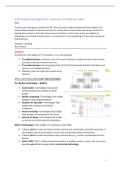
fxcretorysystemm.am
excretory organs
kidneys
•
excrete all nitrogenous waste ( mostly urea )
• also excrete non -
nitrogenous waste :
excretion coz
-
-
water
-
ions
-
drugs
the body
-
removal of waste products from the
-
metabolic reactions all reactions taking place in the body
,
◦
cer tain waste products if accumulated can become
highly toxic lungs
.
coz released from cellular respiration
-
exhaled from lungs
homeostasis -
maintaining the internal environment of
'
steady
'
the body in a State so that cells c an
function properly
skin
•
H2O salt and urea released as sweat as water evaporates
liver ,
&
,
heat is lost body is cooled
-
not an excretory organ however many waste products
-
maintain temp
,
form here
-
Rid Of Waste
Nitrogenous waste
from excess amino acids
secretion : release of useful substances hormones
☆ urea formed ,
specialized the
-
main waste
from cells in
body
nitrogenous
☆ uric acid formed from breakdown of nucleic acid
colon
found muscle cells
☆ creatinine is in skeletal
formed from creatine phosphate
•
bite a cholestrol formed in liver -
small intestine
waste colon
Non -
Nitrogenous
egestion : removal of undigested a unabsorbed
food material ( faeces )
☆ toxins a drugs
-
painkillers nicotine
,
☆ at Chono /
permanent
causes damage main kidney
•
function of
other -
maintain homeostasis by controlling
☆ bile pigments composition a volume Of body fluid
breakdown of RBC
excrete nitrogenous waste to prevent
They :
☐
_ •
Cholesterol
toxic build up
☆
-
breakdown of bile salts
-
Responsible for OSMO regulation
◦
help maintain pH by excreting Ht
•
help maintain balance of ions by
reabsorbing or secreting them
, the urinary system kidneys
-
external structure :
function : maintain homeostasis by regulating
•
bean -
shaped
,
dark re d
the volume
-
and concentration of body fluids .
Inner border facing ver tebrae is concave = hilum
ureter vessels enter & exit
by filtering
a
-
and
.
reabsorbing materials from
the blood
•
tissue layers : -
Renal capsule of fibrous tissue
-
middle layer of adipose
homeostasis the
tendency of the body to seek
, _ outer layer of fibrous connective
✗ maintain a condition of balance or equilibrium tissue ( Renal fascia )
within its internal environment .
macroscopic structure
pyramid made up of
structure : inferior vena cava
,
car ries renal capsule collecting
,
ducts
,
deoxygenated blood to hear t
protects
papilla
a prevents tip of each
,
inte pyramid
Aor ta oxygenated blood Adrenal gland
µ
•Éf #
, ,
with nitrogenous waste secretes
-
cortex
to aldosterone nephron
body
( hormones )
↓ ↑ medulla
Renal artery # Made up of
,
carries Oz ✗
^ 8- ' 2
nitrogenous e Renal vein
,
carries
renal artery
waste to blood to vena in
Dynamics
blood
kidney cava
S Calyx
,
Renal vein a
shor t duct
purified collects
blood out from
kidneys ,
urine
titer nitrogenous waste collecting
out
Regulate
of blood
Hzo a salt ↓ ducts
pyramids
of
balance
ureter
↓ space
Renal sinus
between
,
ureter carries
calyces
,
urine to
motor nerve
,
_
bladder
↓ Renal pelvis
stimulate ,
contrac tion of urine drains from
bladder wall calyces into this
bladder stores a re a of
, ureter
urine
sphincter 1 urethra
,
carries
muscle controls flow urine to exterior
,
of urine
aldosterone
↑
• Adrenal glands endocrine glands ✗ release ADH which
,
regulates sal t concentration in
body
"
fxcretorysystemm.am
excretory organs
kidneys
•
excrete all nitrogenous waste ( mostly urea )
• also excrete non -
nitrogenous waste :
excretion coz
-
-
water
-
ions
-
drugs
the body
-
removal of waste products from the
-
metabolic reactions all reactions taking place in the body
,
◦
cer tain waste products if accumulated can become
highly toxic lungs
.
coz released from cellular respiration
-
exhaled from lungs
homeostasis -
maintaining the internal environment of
'
steady
'
the body in a State so that cells c an
function properly
skin
•
H2O salt and urea released as sweat as water evaporates
liver ,
&
,
heat is lost body is cooled
-
not an excretory organ however many waste products
-
maintain temp
,
form here
-
Rid Of Waste
Nitrogenous waste
from excess amino acids
secretion : release of useful substances hormones
☆ urea formed ,
specialized the
-
main waste
from cells in
body
nitrogenous
☆ uric acid formed from breakdown of nucleic acid
colon
found muscle cells
☆ creatinine is in skeletal
formed from creatine phosphate
•
bite a cholestrol formed in liver -
small intestine
waste colon
Non -
Nitrogenous
egestion : removal of undigested a unabsorbed
food material ( faeces )
☆ toxins a drugs
-
painkillers nicotine
,
☆ at Chono /
permanent
causes damage main kidney
•
function of
other -
maintain homeostasis by controlling
☆ bile pigments composition a volume Of body fluid
breakdown of RBC
excrete nitrogenous waste to prevent
They :
☐
_ •
Cholesterol
toxic build up
☆
-
breakdown of bile salts
-
Responsible for OSMO regulation
◦
help maintain pH by excreting Ht
•
help maintain balance of ions by
reabsorbing or secreting them
, the urinary system kidneys
-
external structure :
function : maintain homeostasis by regulating
•
bean -
shaped
,
dark re d
the volume
-
and concentration of body fluids .
Inner border facing ver tebrae is concave = hilum
ureter vessels enter & exit
by filtering
a
-
and
.
reabsorbing materials from
the blood
•
tissue layers : -
Renal capsule of fibrous tissue
-
middle layer of adipose
homeostasis the
tendency of the body to seek
, _ outer layer of fibrous connective
✗ maintain a condition of balance or equilibrium tissue ( Renal fascia )
within its internal environment .
macroscopic structure
pyramid made up of
structure : inferior vena cava
,
car ries renal capsule collecting
,
ducts
,
deoxygenated blood to hear t
protects
papilla
a prevents tip of each
,
inte pyramid
Aor ta oxygenated blood Adrenal gland
µ
•Éf #
, ,
with nitrogenous waste secretes
-
cortex
to aldosterone nephron
body
( hormones )
↓ ↑ medulla
Renal artery # Made up of
,
carries Oz ✗
^ 8- ' 2
nitrogenous e Renal vein
,
carries
renal artery
waste to blood to vena in
Dynamics
blood
kidney cava
S Calyx
,
Renal vein a
shor t duct
purified collects
blood out from
kidneys ,
urine
titer nitrogenous waste collecting
out
Regulate
of blood
Hzo a salt ↓ ducts
pyramids
of
balance
ureter
↓ space
Renal sinus
between
,
ureter carries
calyces
,
urine to
motor nerve
,
_
bladder
↓ Renal pelvis
stimulate ,
contrac tion of urine drains from
bladder wall calyces into this
bladder stores a re a of
, ureter
urine
sphincter 1 urethra
,
carries
muscle controls flow urine to exterior
,
of urine
aldosterone
↑
• Adrenal glands endocrine glands ✗ release ADH which
,
regulates sal t concentration in
body