
Successful Swedish women in politics
The core of a representative democratic government is fair representation. At the moment
only three countries in the European Union have in the past decade had a cabinet with 50%
or more women in it. These front runners are France, Finland and Sweden. Out of these
three Sweden has been most consistent in its female representation (OECD, 2018). This
essay will focus on Sweden since it has been the most consistent and will argue that the
glass ceiling in politics is disappearing with Sweden as its pioneer.
Currently, Sweden’s representation of women in parliament is a staggering percentage of
43.6% after the 2014 elections (Sharing Sweden, 2017). In addition, 54% of the ministers is
female in Sweden (BBC, 2017). These numbers show that a true representative democracy
is not impossible. One of the causes of this success is thanks in part to the increase in the
female proportional numbers among the members of the political assemblies. This process is
visible in the numbers on female participation and has been continuous. Therefore, the
continues rise of female proportional numbers is a sign that gender balance is coming in
politics (Dahlerup, N.D). The Swedish women want to be a part of politics, therefore they are.
Another remarkable fact is that most countries that have a high percentage of female
representation have some sort of quota. Sweden has no legislated quotas. However, a lot of
parties in parliament have used Voluntary Political Party Quotas. Out of the nine parties in
the Swedish parliament, four have voluntary political party quotas. These four are: the left
part, the green party, the social democratic party and the moderate party. The first three
have a policy where around 50% of the candidates on the party list need to be female. The
moderate party has a slightly different
quota: “Two women and two men shall be
placed on the top four positions on the
party list for the election to the European
Parliament in 2009.” (IDEA, 2016). All in
all, these party quotas are partly
responsible for the high number of women
in parliament.
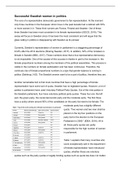
Table 1 explains that many countries who
score exceptionally well in the department
of female representation have introduced
quotas, whether these are voluntary
quotas such as the party quotas or legally binding quotas such as quota law does not matter.
1
The core of a representative democratic government is fair representation. At the moment
only three countries in the European Union have in the past decade had a cabinet with 50%
or more women in it. These front runners are France, Finland and Sweden. Out of these
three Sweden has been most consistent in its female representation (OECD, 2018). This
essay will focus on Sweden since it has been the most consistent and will argue that the
glass ceiling in politics is disappearing with Sweden as its pioneer.
Currently, Sweden’s representation of women in parliament is a staggering percentage of
43.6% after the 2014 elections (Sharing Sweden, 2017). In addition, 54% of the ministers is
female in Sweden (BBC, 2017). These numbers show that a true representative democracy
is not impossible. One of the causes of this success is thanks in part to the increase in the
female proportional numbers among the members of the political assemblies. This process is
visible in the numbers on female participation and has been continuous. Therefore, the
continues rise of female proportional numbers is a sign that gender balance is coming in
politics (Dahlerup, N.D). The Swedish women want to be a part of politics, therefore they are.
Another remarkable fact is that most countries that have a high percentage of female
representation have some sort of quota. Sweden has no legislated quotas. However, a lot of
parties in parliament have used Voluntary Political Party Quotas. Out of the nine parties in
the Swedish parliament, four have voluntary political party quotas. These four are: the left
part, the green party, the social democratic party and the moderate party. The first three
have a policy where around 50% of the candidates on the party list need to be female. The
moderate party has a slightly different
quota: “Two women and two men shall be
placed on the top four positions on the
party list for the election to the European
Parliament in 2009.” (IDEA, 2016). All in
all, these party quotas are partly
responsible for the high number of women
in parliament.
Table 1 explains that many countries who
score exceptionally well in the department
of female representation have introduced
quotas, whether these are voluntary
quotas such as the party quotas or legally binding quotas such as quota law does not matter.
1


