NUR 4130 Ch. 14 Peds Pharmacology.
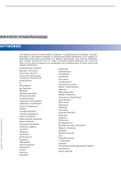
NUR 4130 Ch. 14 Peds Pharmacology. The following words include English vocabulary, nursing/medical terminology, concepts, principles, or information relevant to content specifically addressed in the chapter or associated with topics presented in it. English dictionaries, your nursing textbooks, and medical dictionaries such as Taber’s Cyclopedic Medical Dictionary are resources that can be used to expand your knowledge and understanding of these words and related information. Acetaminophen (Tylenol) Albuterol (Proventil) Amoxicillin (Amoxil) Amoxicillin/clavulanate potassium (Augmentin) Amphotericin B Anticholinergic Baclofen Benadryl (diphenhydramine) Benzoyl peroxide Carbamazepine (Tegretol) Chlorhexidine (Hibiclens) Ciprofloxacin (Cipro) Collagenase (Santyl) Cyclophosphamide (Cytoxan) Dalteparin sodium (Fragmin) Deferoxamine (Desferal) Dexamethasone (Decadron) Diclofenac (Voltaren) Digoxin (Lanoxin) Diltiazem (Cardizem) Erythromycin Filgrastim (Neupogen) Gamma globulin Gentamycin Growth hormone Ibuprofen Ifosfamide Indomethacin Intradermal Isotretinoin (Accutane) Levothyroxine (Synthroid) Lindane (Kwell, G-Well) Mesna (Mesnex) Metoclopramide (Reglan) Morphine (morphine sulfate) Nasal decongestant NPH insulin Oxybutynin (Ditropan) Pancreatic enzymes Penicillin Phenytoin (Dilantin) Prednisone Prostaglandin E Pyrantel pamoate (Antiminth) Ribavirin (Virazole) Rifampin (Rifadin) Salicylic acid Sympathomimetic Terbinafine (Lamisil) Trimethoprim/sulfamethoxazole (Septra) Vancomycin Vastus lateralis Richardson, Beth. Pediatric Success : A Q&A Review Applying Critical Thinking to Test Taking, F. A. Davis Company, 2014. ProQuest Ebook Central, Created from novasoutheastern on :59:34. 263 264 PEDIATRIC SUCCESS Cerebral palsy (CP) grain (gr) gram (g) milligram (mg) pound (lb) 1 fl ounce = 30 mL (fluid volume) 1 g = 15 gr 1 g = 1000 mg 1 gr = 60 mg (or 65 mg for Tylenol or aspirin) 1 in = 2.54 cm 1 kg = 2.2 lb 1 L = 1000 mL 1 lb = 454 g 1 lb = 16 ounces 1 mg = 1000 mcg 1 ounce = 28 g (weight) 1. A child is to receive phenytoin (Dilantin) 100 mg IV for seizure prophylaxis. Which intervention is appropriate when administrating this drug? 1. Mix it in dextrose 5% in water and give over 1 hour. 2. Administer no faster than 2 mg/kg/min. 3. Do not use an inline filter. 4. Monitor temperature prior to and after administration. 2. The parent of a child who is being discharged from the clinic wants to know if there is a difference between Advil and ibuprofen, saying, “I can buy ibuprofen over the counter at a cheaper price than Advil.” What is the nurse’s best response? 1. “Advil and ibuprofen are two different drugs with similar effects.” 2. “There is no difference between the two medications, so you should use whichever one is cheaper.” 3. “Similarities exist between the drugs, but you need to consult the physician about the specific order.” 4. “Ibuprofen is usually cheaper, so you should use it.” 3. What time would the nurse most likely see signs and symptoms of hypoglycemia after administering NPH insulin at 0730? 1. 0930 to 1030. 2. 1130 to 1430. 3. 1130 to 1930. 4. 1530 to 1930. 4. Morphine sulfate 2 mg IV q2h prn for pain is ordered for a 12-year-old who has had abdominal surgery. Which is the most appropriate nursing action? 1. Administer the morphine sulfate using a syringe pump over 1 hour. 2. Encourage the child to do incentive spirometer every hour during the day and when awake at night. 3. Ask the physician to change the medication to Demerol (meperidine). 4. Administer the morphine sulfate with Benadryl (diphenhydramine) to prevent itching. Richardson, Beth. Pediatric Success : A Q&A Review Applying Critical Thinking to Test Taking, F. A. Davis Company, 2014. ProQuest Ebook Central, Created from novasoutheastern on :59:34. CHAPTER 14 PHARMACOLOGY 265 5. The parent of a child who is being treated for Haemophilus influenzae meningitis tells the nurse that the family is being treated prophylactically with rifampin (Rifadin). Which should the nurse include in teaching about this medication? 1. “The drug will change the color of the urine to orange-red, so you should protect your undergarments as it will cause staining.” 2. “Adverse effects of the drug may cause urinary retention.” 3. “The drug is given to treat meningitis.” 4. “You will need to continue taking the drug for 7 days.” 6. A 2-year-old child has been prescribed amoxicillin (Amoxil) tid for treatment of pharyngitis. Which statement indicates the parent knows how to give the medication? 1. “If I miss giving my child a dose at lunch, I will double up on the dose at night.” 2. “I will give the medication at breakfast, lunch, and dinner.” 3. “I know that amoxicillin (Amoxil) is a chewable tablet, but sometimes my child likes to swallow it whole.” 4. “I will continue giving the amoxicillin (Amoxil) for 10 days even if my child’s cough gets better.” 7. A nurse is caring for a child who is receiving amphotericin B IV daily for a fungal infection. Prior to starting the therapy, which should the nurse review? 1. Aspartate aminotransferase and alanine aminotransferase levels. 2. Serum amphotericin level. 3. Serum protein and sodium levels. 4. Blood urea nitrogen, and creatinine levels. 8. Which toxicity is specific to gentamicin? 1. Hepatatoxicity. 2. Ototoxicity. 3. Myocardial toxicity. 4. Neurotoxicity. 9. A nurse is administrating vancomycin intravenously and sets the pump to infuse the medication over 90 minutes. Which adverse reaction is the nurse trying to prevent? 1. Vomiting. 2. Headache. 3. Flushing of the face, neck, and chest. 4. Hypertension. 10. The parents of an 8-year-old come to the clinic and ask the nurse if their child should receive growth hormone to boost short stature. Which is the nurse’s best response? 1. “Growth hormone only works if the child has short bones.” 2. “Can your child remember to take the pills every day?” 3. “Scientific evidence is required before growth hormone can be started in children.” 4. “How tall do you think your child should be?’ 11. A child has been receiving prednisone for the past 3 weeks, and the parent wants to stop the medication. What is the nurse’s best response? 1. “There should be no problem in stopping the medication since the child’s symptoms have gone away.” 2. “It is dangerous for steroids to be withdrawn immediately.” 3. “Your child may develop severe psychological symptoms when prednisone is stopped.” 4. Stopping the prednisone will require serum blood work.” 12. A child who has been diagnosed with hypothyroidism is started on levothyroxine (Synthroid). Which should be included in the nurse’s teaching plan? 1. The child will have more energy the next day after starting the medication. 2. Optimum effectiveness of the medication may not occur for several weeks. 3. The medication should be taken once a day at any time. 4. The medication should be taken with milk. Richardson, Beth. Pediatric Success : A Q&A Review Applying Critical Thinking to Test Taking, F. A. Davis Company, 2014. ProQuest Ebook Central, Created from novasoutheastern on :59:34. 266 PEDIATRIC SUCCESS 13. Which should the nurse include in the discharge teaching plan for a child beginning growth hormone therapy? 1. The child is expected to grow 3 to 5 inches during the first year of treatment. 2. The parents must measure the child’s weight and height daily. 3. The parents will need to continue the therapy until the child is 21 years old. 4. There are no side effects from taking growth hormones. 14. The onset of Humalog insulin is: 1. 10 to 15 minutes. 2. 30 minutes to 1 hour. 3. 1 to 2 hours. 4. 2 to 4 hours. 15. Which should the nurse include in the teaching plan for a child started on metoclo- pramide (Reglan)? 1. This drug increases gastrointestinal motility. 2. The drug decreases tone in the lower esophageal sphincter. 3. The drug prevents diarrhea. 4. The drug induces the release of acetylcholine. 16. The nurse will monitor a child on high-dose prednisone for: 1. Diabetes. 2. Deep vein thrombosis. 3. Nephrotoxicity. 4. Hepatotoxicity. 17. A nurse is administering cyclophosphamide (Cytoxan) to a child with leukemia. Which action by the nurse would be appropriate? 1. Monitoring serum potassium levels. 2. Checking for hematuria. 3. Obtaining daily weights. 4. Getting neurological checks every 4 hours. 18. A nurse is giving ifosfamide as chemotherapy for a child who has leukemia. Mixed in with the ifosfamide is mesna (Mesnex). Mesna is given for which reason? 1. Combination chemotherapy. 2. An antiarrhythmic. 3. Prevent hemorrhagic cystitis. 4. Increase absorption of the chemotherapy. 19. Which should a nurse anticipate to be prescribed in chelation therapy in a child re- ceiving frequent blood transfusions? 1. Dalteparin sodium (Fragmin). 2. Deferoxamine (Desferal). 3. Diclofenac (Voltaren). 4. Diltiazem (Cardizem). 20. Why is filgrastim (Neupogen) given to a child who has received chemotherapy? 1. Reduce fatigue level. 2. Prevent infection. 3. Reduce nausea and vomiting. 4. Increase mobilization of stem cells. 21. A child comes to the clinic for diphtheria, pertussis, and tetanus (DTaP) and inacti- vated poliovirus vaccines. The child does not appear ill but has a temperature of 101°F (38.3°C). The nurse should take which action? 1. Withhold the vaccines, and reschedule when the child is afebrile. 2. Administer Tylenol, and give the vaccine. 3. Give the vaccines, and instruct the parent to give Tylenol every 4 hours as needed. 4. Have the physician order an antibiotic and give the vaccine. Richardson, Beth. Pediatric Success : A Q&A Review Applying Critical Thinking to Test Taking, F. A. Davis Company, 2014. ProQuest Ebook Central, Created from novasoutheastern on :59:34. CHAPTER 14 PHARMACOLOGY 267 22. Which would the nurse instruct a parent to apply to treat a pediculosis infestation? 1. Lindane (Kwell) to the scalp, leaving it in place for 4 minutes, and then adding water. 2. Chlorhexidine (Hibiclens) to the scalp with sterile gloves. 3. Terbinafine (Lamisil) as a thin layer to the scalp twice a day. 4. Collagenase (Santyl) to the scalp with cotton applicator. 23. Amoxicillin (Amoxil) 250 mg PO q8h is prescribed for a child who weighs 42 lb to treat strep throat. The desired dose is 50 mg/kg/day. The nurse determines that: 1. The prescribed dose is too low. 2. The prescribed dose is too high. 3. The prescribed dose is safe. 4. Not enough information is given to determine the safe dose. 24. A child with a heart defect is placed on a maintenance dose of digoxin (Lanoxin) elixir. The dose is 0.07 mg/kg/day, and the child’s weight is 16 lb. The medication is to be given two times a day. The nurse prepares how much digoxin (Lanoxin) for the morning dose? 1. 0.25 mg. 2. 0.37 mg. 3. 0.5 mg. 4. 2.5 mg. 25. Ciprofloxacin (Cipro) 300 mg daily is ordered for a child with a urinary tract infec- tion. The medication comes 250 mg/5 mL. How much of the medication will the nurse prepare to give to the child? 1. 1.2 mL. 2. 3 mL. 3. 6 mL. 4. 12 mL. 26. A nurse is caring for a child with congenital heart disease who is being treated with digoxin (Lanoxin). Which is included in the family’s discharge teaching? 1. Make sure the medication is taken with food. 2. Repeat the dose if the child vomits. 3. Take the child’s pulse prior to administration. 4. Weigh the child daily. 27. Which medication is the most effective treatment for acne? 1. Salicylic acid. 2. Benzoyl peroxide. 3. Chlorhexidine (Hibiclens). 4. Collagenase (Santyl). 28. Which would the nurse recommend to an adolescent female beginning isotretinoin (Accutane) therapy? 1. Apply a thin layer to the affected skin twice a day. 2. Use Hibiclens for added benefit. 3. Have a pregnancy test prior to starting treatment. 4. Keep lips moistened to prevent inflammation. 29. Which medication is used for the treatment of spasticity in cerebral palsy (CP)? 1. Dexamethasone (Decadron). 2. Baclofen. 3. Diclofenac (Voltaren). 4. Carbamazepine (Tegretol). Richardson, Beth. Pediatric Success : A Q&A Review Applying Critical Thinking to Test Taking, F. A. Davis Company, 2014. ProQuest Ebook Central, Created from novasoutheastern on :59:34. 268 PEDIATRIC SUCCESS 30. Which assessment should be a priority to monitor in a child receiving a narcotic for pain relief? 1. Respirations. 2. Bowel sounds. 3. Blood pressure. 4. Oxygen saturation. 31. Which is the correct method to instill eardrops in a 5-year-old? 1. Pull the pinna of the ear downward and back for instillation. 2. Place cotton tightly in the ear after instillation. 3. Have the child remain upright after instillation. 4. Pull the pinna of the ear upward and back for instillation. 32. A physician has ordered amoxicillin (Amoxil) 500 mg IVPB q8h for a child with tonsillitis. Which action by the nurse is appropriate? 1. Question the order because the route is incorrect. 2. Give the medication as ordered. 3. Call the physician because the dosing frequency is incorrect. 4. Call the physician, and question the dose of the drug. 33. Which should the nurse do first for a child diagnosed with conjunctivitis and ordered to have eye ointment applied three times a day? 1. Remove any discharge from the affected eye. 2. Ensure the ointment is at room temperature. 3. Hold the tip of the eye ointment dropper parallel to the eye. 4. Wash hands. 34. Which instruction about nasal drops should be included in the teaching plan for the parents of a child with nasopharyngitis? 1. “Do not use the drops for any other family member.” 2. “Administer the drops as often as necessary until the nasal congestion subsides.” 3. “Insert the dropper tip as far back as possible to make sure the medication is in the nasal passage.” 4. “You can save the drops for the next time your child has the same symptoms.” 35. Trimethoprim/sulfamethoxazole (Septra) should be given with: 1. Breakfast and dinner. 2. A snack. 3. Glass of water. 4. A cola beverage. 36. An IV infusion of gamma globulin 2 g/kg over 12 hours has been ordered for a 22-lb child. Which dose is correct? 1. 11 g. 2. 20 g. 3. 22 g. 4. 44 g. 37. Lindane (G-Well) shampoo is used only once because it can cause: 1. Hypertension. 2. Seizures. 3. Elevated liver functions. 4. Alopecia. 38. Which is essential for the nurse to teach the parent regarding administration of pyrantel pamoate (Antiminth)? 1. Fever and rash are common adverse effects. 2. The medication kills the eggs in about 48 hours. 3. The drug may color the urine red. 4. The dose should be repeated in 2 weeks. Richardson, Beth. Pediatric Success : A Q&A Review Applying Critical Thinking to Test Taking, F. A. Davis Company, 2014. ProQuest Ebook Central, Created from novasoutheastern on :59:34. CHAPTER 14 PHARMACOLOGY 269 39. A 6-month-old is prescribed 2.5% hydrocortisone for topical treatment of eczema. The nurse instructs the parent not to use the cream for more than a week. What is the primary reason for this instruction? 1. Adverse effects, such as skin atrophy and fragility, can occur with long-term treatment. 2. If after a week there is no improvement, then a stronger dose is required. 3. The drug loses its efficacy after prolonged use. 4. If no improvement is seen after a week, an antibiotic should be prescribed. 40. A 15-kg child is started on cephalexin (Keflex) for treatment of cellulitis. The dose is 40 mg/kg/day, given twice a day. The nurse has a bottle of Kelflex that indicates there are 250 mg/5 mL. How many milliliters must the nurse draw up for each dose? 1. 2.5 mL. 2. 6 mL. 3. 12 mL. 4. 20 mL. 41. A child with hives is prescribed diphenhydramine (Benadryl) 5 mg/kg per day in divided doses every 6 hours. The child weighs 40 lb. How many milligrams should the nurse give for each dose? 1. 4.5 mg. 2. 11.45 mg. 3. 22.75 mg. 4. 50 mg. 42. When is the best time to give furosemide (Lasix)? 1. 8:00 a.m. 2. 12 noon. 3. 6:00 p.m. 4. Bedtime. 43. Which assessment finding should the nurse observe following administration of albuterol (Proventil)? 1. Decrease in wheezing. 2. Decrease in respiratory rate from 34 to 22. 3. Decrease in blood pressure. 4. Decrease in heart rate. 44. A child in the emergency room is being treated with albuterol (Proventil) aerosol treatments for an acute asthma attack. She requires treatments every 2 hours. Which adverse effect of the medication would the nurse expect? 1. Lethargy and bradycardia. 2. Decreased blood pressure and dizziness. 3. Nervousness and tachycardia. 4. Increased blood pressure and fatigue. 45. A child with cystic fibrosis (CF) is placed on an oral antibiotic to be given four times a day for 14 days. Which of the following schedules is the most appropriate? 1. 8 a.m.,12 p.m., 4 p.m., 8 p.m. 2. 7 a.m., 1 p.m., 7 p.m., 12 midnight. 3. 9 a.m., 1 p.m., 5 p.m., 9 p.m. 4. 10 a.m., 2 p.m., 6 p.m., 10 p.m. 46. Which is the best area for the tuberculin skin test to be placed? 1. Upper thigh. 2. Scapular area. 3. Back. 4. Ventral forearm. Richardson, Beth. Pediatric Success : A Q&A Review Applying Critical Thinking to Test Taking, F. A. Davis Company, 2014. ProQuest Ebook Central, Created from novasoutheastern on :59:34. 270 PEDIATRIC SUCCESS 47. A hospitalized child is to receive 75 mg of acetaminophen (Tylenol) for fever of 101°F (38.3°C). If the acetaminophen (Tylenol) is 80 mg per 0.8 mL, how much will the nurse administer? 1. 0.75 mL. 2. 1.5 mL. 3. 2.5 mL. 4. 3 mL. 48. Which is a toxic reaction in a child taking digoxin (Lanoxin)? 1. Weight gain. 2. Tachycardia. 3. Nausea and vomiting. 4. Seizures. 49. A 10-month-old with heart failure weighs 10 kg. Digoxin (Lanoxin) is prescribed as 10 mcg/kg/day to be given every 12 hours. How much is given for each dose? 1. 10 mcg. 2. 50 mcg. 3. 100 mcg. 4. 500 mcg. 50. Why is indomethacin given to a preterm neonate? 1. Encourage ductal closure. 2. Prevent hypertension. 3. Promote release of surfactant. 4. Protect the immature liver. 51. Which drug is most important in treating an infant with transposition of the great vessels? 1. Digoxin (Lanoxin). 2. Antibiotics. 3. Prostaglandin E. 4. Diuretics. 52. Penicillin is given to a 2-year-old prior to dental work. The child weighs 44 lb. The order is for 25 mg/kg to be given 2 hours before the procedure. The penicillin comes in 250 mg/5 mL. How much of the medication will the nurse administer? 1. 2.5 mL. 2. 5 mL. 3. 10 mL. 4. 15 mL. 53. Which is the most common adverse reaction to erythromycin? 1. Weight gain. 2. Constipation. 3. Mouth sores. 4. Nausea and vomiting. 54. A child who weighs 20 kg is to receive 8 g of gamma globulin over 12 hours for the treatment of idiopathic thrombocytopenia purpura. The concentration is 8 g in 300 mL of normal saline. How many milliliters per hour will the child receive? 1. 12 mL/hr. 2. 25 mL/hr. 3. 50 mL/hr. 4. 40 mL/hr. 55. The treatment for a child with sinus bradycardia is atropine 0.02 mg/kg/dose. How much should the nurse give a child who weighs 20 kg? 1. 0.02 mg. 2. 0.04 mg. 3. 0.2 mg. 4. 0.4 mg. Richardson, Beth. Pediatric Success : A Q&A Review Applying Critical Thinking to Test Taking, F. A. Davis Company, 2014. ProQuest Ebook Central, Created from novasoutheastern on :59:34. CHAPTER 14 PHARMACOLOGY 271 56. The effect of atropine is: 1. Anticholinergic. 2. As a beta-adrenergic agonist. 3. As a bronchodilator. 4. Sympathomimetic. 57. A common adverse reaction to atropine is: 1. Diarrhea. 2. Increased urine output. 3. No tears when crying. 4. Lethargy. 58. Which should the nurse include in teaching parents about administrating pancreatic enzymes to their child? 1. The enzymes may be chewed or swallowed. 2. The capsules may be opened and sprinkled over acidic food. 3. Give the same amount of the medicine with meals and snacks. 4. Store the enzymes in the refrigerator. 59. Common side effects of oxybutynin (Ditropan) are: 1. Increase in heart rate and blood pressure. 2. Sodium retention and edema. 3. Constipation and dry mouth. 4. Insomnia and hyperactivity. 60. Ribavirin (Virazole) is prescribed for a hospitalized child with respiratory syncytial virus (RSV). The nurse prepares to administer the medication by which route? 1. Oral. 2. Subcutaneous. 3. Intramuscular. 4. Oxygen tent. 61. A child has an infusion of dextrose 5% via a line with a volume control chamber on the pump. The nurse knows this system is used for administration of intravenous solutions for which reason? 1. Prevent accidental fluid overload. 2. Reduce the potential for bacterial infection. 3. Make administering of intravenous fluids easier. 4. Is less costly. Richardson, Beth. Pediatric Success : A Q&A Review Applying Critical Thinking to Test Taking, F. A. Davis Company, 2014. ProQuest Ebook Central, Created from novasoutheastern on :59:34. ANSWERS AND RATIONALES 272 The correct answer number and rationale for why it is the correct answer are given in boldface blue type. Rationales for why the other possible answer options are incorrect also are given, but they are not in boldface type. 1. 1. Mix intravenous doses in normal saline as mixtures precipitate with dextrose 5% in water. 2. Phenytoin (Dilantin) should be given slowly (1–2 mg/kg/min) via pump. Rapid infusion may cause hypotension, ar- rhythmias, and circulatory collapse. 3. An inline filter is recommended. 4. Continuous monitoring of electrocardio- gram, blood pressure, and respiratory sta- tus is essential because of potential side effects. TEST-TAKING HINT: The test taker must know both the side effects of the drug and how to administer it safely. 2. 1. This does not answer the parent’s question. 2. This is not a true statement as Advil is enteric-coated, and not all ibuprofens are enteric-coated. 3. This response answers the question and tells the parent the physician is the only one who can change a name brand to a generic drug. 4. The nurse should not make that judgment. The physician should be consulted. TEST-TAKING HINT: The nurse needs to answer the parent’s question and be aware that a physician chooses name brand or generic. 3. 1. Peak time for regular insulin is 2 to 3 hours. 2. Peak time for Semilente insulin is 4 to 7 hours. 3. Peak time for NPH insulin is 4 to 12 hours. 4. Peak time for Lente is 8 to 12 hours. TEST-TAKING HINT: NPH insulin works in an intermediate range; select an appropri- ate period. 4. 1. Giving morphine sulfate over 1 hour takes too long to relieve the pain. It can be given by slow intravenous push. 2. Because morphine sulfate can depress respirations and the child has just had abdominal surgery, deep breathing should be encouraged. 3. Demerol (meperidine) is not used in chil- dren because of the risk of induced seizures. 4. One of the side effects of morphine sulfate is itching, and Benadryl (diphenhydramine) is a good medication to give as needed in case of itching. It should not be given together with the morphine sulfate. TEST-TAKING HINT: The test taker must be aware of the major side effects of morphine and type of patient who is receiving the morphine. 5. 1. Rifampin (Rifadin) causes an orange-red discoloration of body fluids, including urine. Knowledge of this can decrease anxiety when it occurs. 2. Urinary retention is not a side effect. Rifampin (Rifadin) is metabolized in the liver and should be used with caution in patients with elevated liver enzymes. 3. The drug is ordered prophylactically to guard against developing meningitis. 4. The drug is given for 2 days as prophylactic treatment. TEST-TAKING HINT: Associate the “R” in rifampin (Rifadin) with the red in orange- red body fluids. 6. 1. Missed doses should be given as soon as possible and not doubled with the next dose. 2. Doses of antibiotics should be taken at regu- lar intervals over 24 hours without interrupt- ing sleep to maintain maximum blood levels. 3. Attempting to have the child take it whole could cause the child to aspirate. 4. A full course of the antibiotic must be taken to decrease the risk of resistance to the antibiotic or recurrence of the infection. TEST-TAKING HINT: The test taker must know specific information about antibiotic therapy. 7. 1. Liver damage is not associated with ampho- tericin therapy. 2. Serum levels of the drug are not done. 3. By giving the drug, there should not be a change in sodium or protein levels. 4. The drug tends to be nephrotoxic. Ele- vation of blood urea, nitrogen, and crea- tinine levels indicates renal damage. If elevated, the physician must be notified to determine if the drug must be with- held for the day. Richardson, Beth. Pediatric Success : A Q&A Review Applying Critical Thinking to Test Taking, F. A. Davis Company, 2014. ProQuest Ebook Central, Created from novasoutheastern on :59:34. TEST-TAKING HINT: This drug is nephro- toxic. Some nurses refer to the drug as “amphoterrible.” 8. 1. Hepatic and neurological toxicities are more common in fluoroquinolones. 2. Nephrotoxicity and ototoxicity are the most significant adverse effects. 3. Myocardial toxicity is not a common reaction. 4. Hepatic and neurological toxicities are more common in fluoroquinolones TEST-TAKING HINT: Aminoglycosides cause kidney damage and loss of hearing. Levels are checked before and after dosing so that toxicity can be prevented. 9. 1. Vomiting is a side effect and is not related to the rate of infusion. 2. Headache is not related to the rate of infusion. 3. “Red man syndrome” or “red neck syndrome” is flushing of the face, neck, and upper chest associated with too rapid an infusion of vancomycin. This can be prevented with infusing the vancomycin over 90 to 120 minutes and pretreating the patient with Ben- adryl (diphenhydramine) prior to the infusion. 4. Hypotension with shock can result from a histamine release from rapid infusion. TEST-TAKING HINT: “Red man syndrome” is a side effect of too rapid an infusion of vancomycin. 10. 1. This response does not answer the par- ents’ question. 2. Growth hormone is available as a par- enteral medication and is given intramus- cularly or subcutaneously. 3. Growth hormone is approved for use only in children to treat a documented lack of growth hormone. 4. The nurse must first answer the parents’ question about growth hormone. TEST-TAKING HINT: Recall the reason for giving growth hormone. 11. 1. Abrupt withdrawal can cause severe side effects. 2. Abrupt cessation of long-term steroid therapy can cause acute adrenal insuffi- ciency that could lead to death. Long- term steroid use can cause shrinkage of the adrenal gland, which decreases the production of the hormone. CHAPTER 14 PHARMACOLOGY 273 3. Central nervous system symptoms such as confusion and psychosis are adverse effects of steroids. 4. Gradual tapering of the dosages will pre- vent severe side effects, and no blood work is required. TEST-TAKING HINT: The test taker must know about abrupt withdrawal of steroids and the effects on the adrenal gland. 12. 1. The energy level takes much longer than 1 day to increase. 2. After starting therapy, peak levels of the drug may not be expected for many weeks to months. Patients need to know this to prevent them from stopping the medication because they think it is not working. 3. The drug works best when taken on an empty stomach; the patient should select a time each day when the stomach is empty. In children, just prior to bed may be the best time, as most children do not eat prior to bedtime. 4. The drug works best when taken on an empty stomach. Taking it with milk should be contraindicated. TEST-TAKING HINT: Know the effects of levothyroxine and how to administer it. 13. 1. The expected growth rate with growth hormone therapy is 3 to 5 inches in the first year. 2. Height and weight are measured monthly. 3. Growth hormone is discontinued when optimum adult height is attained and fusion of the epiphyseal plates has occurred. 4. Side effects include glucose intolerance, hypothyroidism, adrenocorticotropic hor- mone deficiency, hypercalciuria, renal cal- culi, gastrointestinal upsets, and intracra- nial tumor growth. TEST-TAKING HINT: Answer 2 is not correct as “must” is too strong. Answer 4 states “no side effects,” and this is unrealistic. To choose the correct answer, the test taker must rely on knowledge of growth hormones. 14. 1. Humalog insulin is rapid-acting and has an onset of 10 to 15 minutes. 2. Regular insulin has an onset of 30 minutes to 1 hour 3. NPH insulin has an onset of 1 to 2 hours and is intermediate-acting. 4. Ultralente insulin has an onset of 2 to 6 hours and is a long-acting insulin. Richardson, Beth. Pediatric Success : A Q&A Review Applying Critical Thinking to Test Taking, F. A. Davis Company, 2014. ProQuest Ebook Central, Created from novasoutheastern on :59:34. 274 PEDIATRIC SUCCESS TEST-TAKING HINT: Review the onset, peak, and duration of all types of insulin. 15. 1. Metoclopramide (Reglan) is a gas- trointestinal stimulant that increases motility of the gastrointestinal tract, shortens gastric emptying time, and reduces the risk of the esophagus be- ing exposed to gastric content. 2. Decreased tone in the esophageal sphincter increases the risk of gastric contents being regurgitated upward in the esophagus. 3. There can be an increase in diarrhea be- cause of the increase in gastrointestinal motility. 4. Methyl scopolamine blocks effects of acetylcholine and relaxes sooth muscles. TEST-TAKING HINT: Gastroesophageal re- flux disease results in backward flow of gastric contents, so it is logical that a drug prescribed should promote forward move- ment of gastric content. 16. 1. One of the side effects of high-dose steroids can be diabetes mellitus. The child needs to be evaluated so prompt treatment can be initiated. The dia- betes is self-limiting and after the steroids are discontinued should no longer be present. Other side effects include mood changes, hirsutism, trunk obesity, thin extremities, gastric bleeding, poor wound healing, hyper- tension, immunosuppression, insom- nia, and increased appetite. 2. This is not a side effect of steroids. Deep vein thrombosis is related to clotting abnormalities. 3. This is not a side effect of steroids. 4. This is not a side effect of steroids. TEST-TAKING HINT: Review side effects of high-dose steroid use. 17. 1. There should not be a change in potas- sium level, as the drug does not cause potassium loss. 2. Hemorrhagic cystitis is a major side effect of cyclophosphamide (Cytoxan); checking the urine for blood is an appropriate intervention. 3. Weights are obtained daily with clients receiving chemotherapy because of nausea and vomiting. 4. There are no central nervous system side effects with cyclophosphamide (Cytoxan). TEST-TAKING HINT: Review major side effects of cyclophosphamide. 18. 1. Mesna (Mesnex) is not a chemotherapeu- tic agent. 2. Mesna (Mesnex) does not prevent arrhythmias. 3. Mesna (Mesnex) is a detoxifying agent used as a protectant against hemor- rhagic cystitis induced by ifosfamide and cyclophosphamide (Cytoxin). 4. There is no medication that increases absorption of chemotherapy. TEST-TAKING HINT: Review the action of mesna (Mesnex). 19. 1. Dalteparin sodium (Fragmin) is an anti- coagulant used as prophylaxis for post- operative deep vein thrombosis. 2. Deferoxamine (Desferal) is an antidote for acute iron toxicity. 3. Diclofenac (Voltaren) is an anti- inflammatory drug. 4. Diltiazem (Cardizem) is an antianginal agent for chronic stable angina. TEST-TAKING HINT: Deferoxamine (Desferal) is used to prevent iron overload. 20. 1. Chemotherapy may cause anemia, which can compound the feeling of fatigue rather than reduce fatigue. 2. The drug does not prevent infection, but it does increase the number of neutrophils. 3. The drug may cause nausea and vomiting rather than reduce it. 4. The drug mobilizes stem cells to pro- duce neutrophils. TEST-TAKING HINT: Recall the function of the neutrophils and how to stimulate them. 21. 1. Immunizations can be given when the child has a low-grade fever as long as the child is not ill appearing. 2. Diagnose the problem before giving the vaccine. Just giving the Tylenol would not allow a diagnosis to be made, as it may mask symptoms. 3. Immunizations can be given when the child has a low-grade fever as long as the child is not ill appearing. 4. The nurse would not want to give an antibiotic until a bacterial infection was diagnosed. TEST-TAKING HINT: Immunizations should not be given when a child has a high fever and appears ill. Richardson, Beth. Pediatric Success : A Q&A Review Applying Critical Thinking to Test Taking, F. A. Davis Company, 2014. ProQuest Ebook Central, Created from novasoutheastern on :59:34. 22. 1. Lindane (Kwell) is the drug of choice because it is well absorbed by the cen- tral nervous system of the parasite (lice) and results in death. 2. Chlorhexidine (Hibiclens) is a skin cleanser. Clean gloves, not sterile gloves, should be used in treating lice. 3. Terbinafine (Lamisil) is an oral or nasal antifungal agent for the treatment of tinea infections. 4. Collagenase (Santyl) is an enzyme used in skin débriding. TEST-TAKING HINT: Associate the nature of the parasite with the drug and application method. 23. 1. The dose prescribed is too low. Strep throat is treated with amoxicillin at 50 mg/kg/day. Convert pounds to kilo- grams by dividing by 2.2 (2.2 lb = 1 kg) 42 lb ÷ 2.2 = 19.09 kg Dosing parameters: 50 mg/kg/day × 19.09 = 954.5 mg/day Dosing frequency: 250 mg q8h = 750 mg/day 2. The dose prescribed is too low. 3. The dose is too low. 4. The dose is too low. TEST-TAKING HINT: First change pounds to kilograms. Calculate the ordered dose using the formula given in the question. Compare the order against the calculated appropriate dose. 24. 1. 0.25 mg. Convert pounds to kilograms by dividing by 2.2 (2.2 lb = 1 kg) 16 lb ÷ 2.2 = 7.27 kg Calculate the dosage by weight: 0.07 mg/day × 7.27 = 0.5 mg/day Divide the dose by 2 because it is to be given 2 times a day: 0.5 mg/day ÷ 2 doses = 0.25 mg for each dose 2. Change the pounds to kilograms; the cor- rect answer is 0.25 mg. 3. Change the pounds to kilograms; the cor- rect answer is 0.25 mg. 4. Change the pounds to kilograms; the cor- rect answer is 0.25 mg. TEST-TAKING HINT: Change the pounds to kilograms. The total amount is to be given twice a day, so calculate each dose. 25. 1. The formula to determine the correct answer is: Desired over Available × Volume = CHAPTER 14 PHARMACOLOGY 275 2. The formula to determine the correct answer is: Desired over Available × Volume = amount to be given 3. Desired over Available × Volume = amount to be given 300 mg/250 mg × 5 mL = 6 mL 4. The formula to determine the correct answer is: Desired over Available × Volume = amount to be given TEST-TAKING HINT: Use the formula to determine the correct answer. 26. 1. Digoxin (Lanoxin) should not be taken with food. Administer the medication 1 hour before or 2 hours after a meal. 2. The dose should not be repeated if the child vomits. 3. The child’s pulse should be monitored before each dose. The dose should be withheld according to the physician’s parameters. 4. Checking weight is not related to the medication. TEST-TAKING HINT: Know the principles of giving digoxin (Lanoxin). Knowing that the drug is given to decrease the heart rate and increase cardiac output should be a key to the answer involving checking pulse. 27. 1. Salicylic acid is used in the treatment of corns and warts. 2. Benzoyl peroxide inhibits growth of Propionibacterium acnes (a gram-positive microorganism). It is effective against inflammatory and anti-inflammatory acne. 3. Chlorhexidine (Hibiclense) is a cleaning agent. 4. Collagenase (Santyl) is a débriding agent. TEST-TAKING HINT: The test taker needs to know the specific treatment for acne. 28. 1. The drug is not topical. 2. Hibiclens is a cleanser that can be drying to the skin and so is not a good option. 3. It is mandatory to have a pregnancy test done before starting treatment as spontaneous abortions and/or fetal abnormalities have been associated in pregnancy with the use of isotretinoin (Accutane). 4. Inflammation of the lips is a side effect of isotretinoin (Accutane), but moisture will not prevent the inflammation. Richardson, Beth. Pediatric Success : A Q&A RaemvieowuAnpptlytinog Cbreiticagl iTvheinnking to Test Taking, F. A. Davis Company, 2014. ProQuest Ebook Central, Created from novasoutheastern on :59:34. 276 PEDIATRIC SUCCESS TEST-TAKING HINT: Consider birth defects associated with isotretinoin (Accutane). 29. 1. Dexamethasone (Decadron) is a cortico- steroid used to decrease inflammation. Spinal cord–related spasms are not caused by inflammation. 2. Baclofen is used to treat the spasticity in cerebral palsy. It is a centrally acting muscle relaxant. 3. Diclofenac (Voltaren) is a nonsteroidal anti-inflammatory drug. 4. Carbamazepine (Tegretol) is an antiepilep- tic used to treat seizures. TEST-TAKING HINT: Spasticity affects the muscles. 30. 1. The primary purpose of administrating an opioid analgesic is to relieve pain. The adverse effects that place the child at greatest risk are respiratory depression and decreased level of consciousness. 2. Bowel sounds should be assessed be- cause some opioids, such as morphine, can decrease gastric motility, but this is not as high a priority as is a decrease in respirations. 3. Blood pressure could decrease and would be assessed, but it is not as high a priority. Decrease in blood pressure occurs after decrease in respiratory effort. 4. Oxygen saturation will be decreased after decrease in respiratory effort. TEST-TAKING HINT: The critical word in this question is priority. The test taker should associate side effects from the drug that have the highest priority and will require nursing actions. 31. 1. Pull the pinna down and back for a child younger than age 3 years. 2. Placing the cotton in the ear tightly should be painful. The cotton could act as a wick and not allow the medication to absorb. It will not help in the administra- tion of the eardrops. 3. Having the child stay in an upright posi- tion after instillation does not affect ad- ministration of the eardrops. 4. The correct way to administer eardrops in a child older than 3 years of age is to pull the pinna up and back, the same as for an adult. TEST-TAKING HINT: In infants, the ear canal is curved upward; therefore, the pinna should be pulled down and back. With chil- dren older than 3 years of age, the canal curves downward and forward; therefore, the pinna should be pulled up and back. 32. 1. Amoxicillin is given only orally, so the order should be questioned. 2. The dose cannot be given because the route is incorrect. 3. The dosing frequency is correct. 4. There is not enough information to de- termine if the dose is correct. TEST-TAKING HINT: Focus on the route, dose, and frequency when administrating a medication. 33. 1. This is correct, but it is not done first. 2. This is correct, but it is not done first. 3. This is correct, but it is not done first. 4. The procedure for instilling eye oint- ment begins with washing hands fol- lowed by donning clean gloves. TEST-TAKING HINT: The key word in the question is first. Washing hands has the highest priority. 34. 1. The medication should not be shared because of the risk of spreading the in- fection to another family member. 2. The medication should be given only as prescribed. More frequent use could cause adverse reactions. 3. Inserting the dropper as far back as possi- ble into the nasal canal could cause injury to the child. 4. Medications should not be saved for future illness, as the drug may not be appropriate. TEST-TAKING HINT: The test taker must have specific knowledge of instillation of nasal drops. 35. 1. Trimethoprim/sulfamethoxazole (Septra) should be given on an empty stomach. 2. Trimethoprim/sulfamethoxazole (Septra) should be given on an empty stomach. 3. Trimethoprim/sulfamethoxazole (Sep- tra) should be administered with a full glass of water on an empty stomach. If nausea and vomiting occur, giving the drug with food may decrease gastric distress. 4. Carbonated beverages should be avoided because they may irritate the bladder. TEST-TAKING HINT: The test taker must know how to administer trimethoprim/ sulfamethoxazole (Septra). Richardson, Beth. Pediatric Success : A Q&A Review Applying Critical Thinking to Test Taking, F. A. Davis Company, 2014. ProQuest Ebook Central, Created from novasoutheastern on :59:34. 36. 1. First convert pounds to kilograms. The correct answer is 20 g. 2. Convert pounds to kilograms: 2.2 lb = 1 kg Divide 22 pounds by 2.2 22 lb. ÷ 2.2 kg = 10 kg Calculate the dose: 2 g/kg = 2 g × 10 kg = 20 g 3. First convert pounds to kilograms. The correct answer is 20 g. 4. First convert pounds to kilograms. The correct answer is 20 g. TEST-TAKING HINT: Convert pounds to kilograms before starting any calculations. 37. 1. Hypertension is not associated with lindane (Kwell). 2. Lindane (Kwell) with topical use is as- sociated with seizures after absorption. 3. Lindane (Kwell) is not associated with elevated liver functions. 4. Lindane (Kwell) does not cause alopecia. TEST-TAKING HINT: Lindane (Kwell) is used as a second-line treatment for lice. Be aware of the reasons it should not be used a second time. 38. 1. Common adverse effects are headaches and abdominal complaints. 2. Pyrantel pamoate (Antiminth) is effective against adult worms, and additional treatment is needed to kill the emerging parasites. 3. Pyrantel pamoate (Antiminth) may color the urine a reddish color. 4. As the first treatment kills the adult worms, a second treatment is done in 2 weeks to treat emerging parasites. TEST-TAKING HINT: Review medications used to treat pinworms and how they are administered. 39. 1. Hydrocortisone cream should be used for brief periods because it can thin the skin and cause skin breakdown. 2. Higher concentrations of hydrocortisone are contraindicated. 3. The drug does not lose its efficacy. 4. An antibiotic is inappropriate for the treatment of eczema. TEST-TAKING HINT: Focus on the concen- tration of the hydrocortisone and the effects on the skin. 40. 1. Incorrect calculation. 2. The dose is calculated by multiplying the weight by the milligrams. That CHAPTER 14 PHARMACOLOGY 277 result is divided by two doses. The milligrams are then used to determine the milliliters based on the concentra- tion of the drug. 40 mg × 15 kg = 600 mg/2 doses = 300 mg/dose The concentration of the drug is 250 mg/ 5 mL. Use the formula Desired over Available times Volume to get the mL per dose. 300 mg/250 mg × 5 mL = 6 mL 3. Incorrect calculation. 4. Incorrect calculation. TEST-TAKING HINT: Identify the key com- ponents of the question. 41. 1. First convert pounds to kilograms; multi- plying by 5 mg by weight gives the amount of milligrams per 24 hours. 2. First convert pounds to kilograms; multi- plying by 5 mg by weight gives the amount of milligrams per 24 hours. 3. First convert 40 pounds to kilograms by dividing the pounds by 2.2 (2.2 lb = 1 kg) 40 ÷ 2.2 = 18.18 kg Multiplying 5 mg by the weight (18.18) gives the amount of milligrams for 24 hours 18.18 kg × 5 mg = 90.9 mg/day Divide the total milligrams (90.9 mg) by 4, as that is the number of doses 90.9 mg ÷ 4 = 22.75 mg per dose 4. First convert pounds to kilograms; multi- plying 5 mg by weight gives the amount of milligrams per 24 hours. TEST-TAKING HINT: Convert pounds to kilograms, and then identify the key com- ponents needed to determine the answer. 42. 1. The onset of Lasix is 20 to 60 minutes. It peaks at 60 to 70 minutes, with a duration of 2 hours. By 24 hours, 50% is eliminated. Because the child may not respond as expected, the mother should be instructed to give the Lasix at 8:00 a.m. to avoid interruption of sleep with frequent urination. 2. Noon is more appropriate than 6:00 p.m. and bedtime. 3. Because 50% remains in the body, a cu- mulative effect could disrupt the child’s sleep-rest pattern. 4. An onset of 20 to 60 minutes results in a direct interruption of the sleep-rest pattern. TEST-TAKING HINT: Knowledge of pharma- cokinetics is necessary to determine the best time to administer Lasix. Knowing Richardson, Beth. Pediatric Success : A Q&A Review Applying Critical Thinking to Test Taking, F. A. Davis Company, 2014. ProQuest Ebook Central, Created from novasoutheastern on :59:34. 278 PEDIATRIC SUCCESS the drug is a diuretic assists in determin- ing a time that avoids disrupting the sleep-rest pattern. 43. 1. The symptoms of an acute asthma at- tack are related to constriction of the airway, which leads to dyspnea and an increased respiratory rate. The al- buterol (Proventil) is a beta-adrenergic agent that relaxes the smooth muscles of the bronchial tree, which will de- crease the wheezing. 2. The respiratory rate should return to nor- mal. A rate of 34 is considered high. 3. Hypertension is a side effect of albuterol (Proventil). 4. Tachycardia is a side effect of albuterol (Proventil). TEST-TAKING HINT: The test taker must know the primary outcome of the drug action. 44. 1. One side effect of albuterol (Proventil) is tachycardia, not bradycardia. 2. Decreased blood pressure is not ex- pected. Dizziness may occur from the tachycardia. 3. Potential side effects of this medica- tion are stimulation of the central nervous system and cardiovascular sys- tem. Tachycardia is the most frequent side effect of albuterol (Proventil). 4. Increased blood pressure can occur, but the child will not experience lethargy un- til exhausted, which is a later effect. TEST-TAKING HINT: Albuterol (Proventil) has a major side effect of tachycardia, which worsens with increased doses. 45. 1. The antibiotic should be given every 6 hours to maintain blood levels. This schedule means that the antibiotic would be given every 4 hours during the day, with 12 hours between the last night dose and the first morning dose. 2. Antibiotics should be scheduled to maintain therapeutic blood levels and not interfere with the child’s sleep. This schedule allows for dosing every 6 hours during the day and allows the child to get 7 hours of uninterrupted sleep at night. 3. This is basically the same interval of dos- ing as answer 1. 4. This is the same interval of dosing as an- swers 1 and 2. TEST-TAKING HINT: Determine the best timing to maintain therapeutic drug levels and allow the patient to rest. 46. 1. The upper thigh is used for subcutaneous and intramuscular injections. 2. The scapular area and back are used for allergy skin testing. 3. The scapular area and back are used for allergy skin testing. 4. The ventral forearm is the preferred site for the tuberculin skin test. TEST-TAKING HINT: The test taker must know sites of administration of medica- tions in children. 47. 1. Desired over Available × Volume = Desired dose 75 mg/80 mg × 0.8 mL = 0.75 mL 2. Desired over Available × Volume = Desired dose. 3. Desired over Available × Volume = Desired dose. 4. Desired over Available × Volume = Desired dose. TEST-TAKING HINT: The test taker must know the correct formula and then use the information in the question to deter- mine the answer. 48. 1. Weight gain is not a toxic reaction. 2. Bradycardia is a side effect. Tachycardia is not a reaction. 3. Digoxin (Lanoxin) toxicity in infants and children may present with nausea, vomiting, anorexia, or a slow, irregular, apical heart rate. 4. Seizures are not a toxic reaction that occur with digoxin (Lanoxin). TEST-TAKING HINT: The test taker must know common toxic effects of digoxin (Lanoxin), which is used frequently in children with heart defects. 49. 1. Use the child’s weight × 10 mcg = the amount per kilogram per day. But this total amount is to be divided by 2 to determine the amount per dose. 2. 10 kg × 10 mcg/kg/day = 100 mcg ÷ 2 doses a day = 50 mcg/dose. 3. Use the child’s weight × 10 mcg = the amount per kilogram per day. But this to- tal amount is to be divided by 2 to deter- mine the amount per dose. 4. Use the child’s weight × 10 mcg = the amount per kilogram per day. But this Richardson, Beth. Pediatric Success : A Q&A Review Applying Critical Thinking to Test Taking, F. A. Davis Company, 2014. ProQuest Ebook Central, Created from novasoutheastern on :59:34. total amount is to be divided by 2 to de- termine the amount per dose. TEST-TAKING HINT: The test taker must know the correct formula to use. 50. 1. Preterm neonates with good renal function may receive indomethacin, a prostaglandin inhibitor, to encourage patent ductus arteriosus closure. 2. Hypertension is a side effect of indomethacin. 3. A prostaglandin inhibitor does not affect surfactant in the lungs. 4. The drug may cause nephrotoxicity. TEST-TAKING HINT: Apply pathophysiology of the preterm neonate to the drug. 51. 1. Digoxin (Lanoxin) is given to treat con- gestive heart failure. 2. Antibiotics are used if there is an infec- tion and prophylactically with invasive procedures. 3. Prostaglandin E is necessary to main- tain patency of the patent ductus arte- riosus and improve systemic arterial flow in children with inadequate in- tracardiac mixing. 4. Diuretics are given to treat congestive heart failure. TEST-TAKING HINT: The test taker must know the pathophysiology of the defect, and determine the most important treat- ment to improve cardiac function. 52. 1. Determine the child’s weight in kilograms; then multiply the child’s weight by 25 mg. 2. Determine the child’s weight in kilo- grams; then multiply the child’s weight by 25 mg. 3. Determine the child’s weight in kilo- grams by dividing 44 lb by 2.2 (2.2 lb = 1 kg). Then determine how many mil- ligrams need to be given by multiply- ing the child’s weight in kilograms by 25 mg. 44 lb ÷ 2.2 kg = 20 kg 20 kg × 25 mg = 500 mg Use the formula Desired over Available × Volume = Desired dose 500 mg/250 mg × 5 mL = 10 mL 4. Determine the child’s weight in kilo- grams; then multiply the child’s weight by 25 mg. TEST-TAKING HINT: The test taker must know the correct formula to use. CHAPTER 14 PHARMACOLOGY 279 53. 1. Weight gain is not a side effect of erythromycin. 2. Diarrhea, not constipation, is an adverse reaction to erythromycin. 3. Mouth sores are not an adverse reaction. 4. Common adverse reactions to eryth- romycin include nausea, vomiting, di- arrhea, abdominal pain, and anorexia. Erythromycin should be given with a full glass of water and after meals. Because these gastrointestinal ad- verse reactions occur commonly, it may be necessary to give erythromy- cin with food. TEST-TAKING HINT: The test taker must know the major side effects of this drug are gastrointestinal. 54. 1. Take the total volume and divide it by the number of hours. 2. Take the total volume (300 mL) and divide it by the number of hours (12 hours) 300 mL ÷ 12 hours = 25 mL/hr 3. Take the total volume and divide it by the number of hours. 4. Take the total volume and divide it by the number of hours. TEST-TAKING HINT: The test taker must know the correct formula to use. 55. 1. Take the dose of atropine times the child’s weight in kilograms. 2. Take the dose of atropine times the child’s weight in kilograms. 3. Take the dose of atropine times the child’s weight in kilograms. 4. Take the dose of atropine (0.02 mg/kg) times the child’s weight (20 kg) 0.02 mg/kg × 20 kg = 0.4 mg TEST-TAKING HINT: Atropine is a medica- tion given during a code situation, so the test taker must know how to calculate the dosing. 56. 1. Atropine is an anticholinergic drug. It blocks vagal impulses to the myo- cardium and stimulates the cardioin- hibitory center in the medulla. It increases heart rate and cardiac output. 2. This is not the classification of atropine. 3. This is not the classification of atropine. 4. This is not the classification of atropine. TEST-TAKING HINT: The test taker must know the classification of major drugs. Richardson, Beth. Pediatric Success : A Q&A Review Applying Critical Thinking to Test Taking, F. A. Davis Company, 2014. ProQuest Ebook Central, Created from novasoutheastern on :59:34. 280 PEDIATRIC SUCCESS 57. 1. There should be constipation, rather than diarrhea, because of decrease in smooth muscle contraction of the gastrointestinal tract. 2. There should be urinary retention due to decrease in smooth muscle contractions of the gastrourinary tract. 3. Atropine dries up secretions and also lessens the response of ciliary and iris sphincter muscles in the eye, causing mydriasis. 4. Atropine usually causes paradoxical ex- citement in children, so lethargy should not occur. TEST-TAKING HINT: The test taker must know the side effects based on the action of the drug. 58. 1. The enzymes must be swallowed whole. Retention in the mouth may cause mu- cosal irritation and stomatitis. 2. When administrating enzymes to in- fants, the capsule may be opened and sprinkled over an acidic food, such as applesauce or mashed fruit. 3. The child should take the same amount of enzymes with each meal and half the dose with each snack. 4. There is no need to refrigerate the medication. TEST-TAKING HINT: By knowing that en- zymes are capsules, the test taker should eliminate answer 1, as capsules are not chewed. 59. 1. There may be tachycardia but no hypertension. 2. There is no sodium retention, so there will be no edema. 3. Common side effects are constipation and dry mouth as the oxybutynin (Ditropan) has an atropine-like effect. 4. Adverse effects from overdose may have some central nervous system effects such as nervousness that cause insomnia and hyperactivity. TEST-TAKING HINT: Oxybutynin (Ditropan) has an atropine-like effect that causes vasoconstriction symptoms. 60. 1. Ribavirin (Virazole) is not given orally. 2. Ribavirin (Virazole) is not given subcutaneously. 3. Ribavirin (Virazole) is not given intramuscularly. 4. Ribavirin (Virazole) is an antiviral res- piratory medication used in the hospi- tal for children with severe respiratory syncytial virus. Administration is via hood, face mask, or oxygen tent. TEST-TAKING HINT: The test taker must know that this medication is aerosolized. 61. 1. The volume control chamber func- tions as a safety device. No more than 2 hours of solution is placed in the chamber at a time. If the pump should be programmed incorrectly, the child would get only 2 hours of fluids; then the pump would alarm. The nurse is thereby alerted that the pump was programmed incorrectly. 2. This is not a measure to prevent infection. 3. The rationale for using a particular protocol for administration of intra- venous fluids should not be based on conveniences for the nurse, but rather on safety. 4. This is more costly because it requires additional or different tubing. TEST-TAKING HINT: The test taker must know safety issues for administration of intravenous fluids with children. Richardson, Beth. Pediatric Success : A Q&A Review Applying Critical Thinking to Test Taking, F. A. Davis Company, 2014. ProQuest Ebook Central, Created from novasoutheastern on :59:34.
Document information
- Uploaded on
- May 21, 2022
- Number of pages
- 23
- Written in
- 2022/2023
- Type
- Exam (elaborations)
- Contains
- Questions & answers