

6/3/2020 Feedback Log & Score — Harry Hadley Sept 26, 2019 12:38 PM
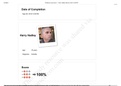
Date of Completion
Sept 26, 2019 12:38 PM
a
vi
e d
ar
Harry Hadley
sh
as
w
m e
Age: 78 years
Diagnosis:
co rc
Cellulitis
o. ou
er res
Score
eH y
rs ud
0
0 100%
t
ss
0
hi
https://simserver.wkhpe.com/debriefing/debrief.aspx?dss=https%3A%2F%2Fsso.wkhpe.com%2FDebriefingLog%2FSingle%2F5c2f19f3-d06e-46f8-9b4e-ea88e0362044 1/6
, 6/3/2020 Feedback Log & Score — Harry Hadley Sept 26, 2019 12:38 PM
Feedback Log
0:00 You arrived at the patient's side.
0:00 You reviewed the patient information.
a
0:00 You reviewed the orders.
vi
0:00 You introduced yourself.
d
0:08 You washed your hands. To maintain patient safety, it is important to wash your
e
hands as soon as you enter the room.
ar
0:10 Patient status - ECG: Sinus rhythm. Heart rate: 88. Pulse: Present. Blood pressure: 126/81
sh
mm Hg. Respiration: 16. Conscious state: Appropriate. SpO2: 97%. Temp: 102 F (38.9 C)
0:24 You identified the patient. To maintain patient safety, it is important that you
as
quickly identify the patient.
0:34 You asked if the patient was <Allergy>allergic<> to anything. He replied:
w
'No, I am not allergic to anything.'
m e
0:52 You looked for normal breathing. He is breathing at 15 breaths per minute. The
co rc chest is moving equally.
o. ou
1:10 Patient status - ECG: Sinus rhythm. Heart rate: 88. Pulse: Present. Blood pressure: 128/81
mm Hg. Respiration: 15. Conscious state: Appropriate. SpO2: 97%. Temp: 102 F (38.8 C)
er res
1:13 You checked the radial pulse. The pulse is strong, 90 per minute, and regular. It is
correct to assess the patient's vital signs.
1:35 You measured the <Temperature>temperature<> in the ear. The
eH y
temperature was 102 F (38.7 C).
rs ud
1:54 You attached the <Pulseoximeter>pulse oximeter.<> It is a good idea to
monitor the saturation and pulse here. This will allow you to reassess the patient
t
ss
continuously.
2:09 You attached the automatic noninvasive blood pressure (NIBP) measurement
hi
cuff. This will allow you to reassess the patient continuously.
https://simserver.wkhpe.com/debriefing/debrief.aspx?dss=https%3A%2F%2Fsso.wkhpe.com%2FDebriefingLog%2FSingle%2F5c2f19f3-d06e-46f8-9b4e-ea88e0362044 2/6
Date of Completion
Sept 26, 2019 12:38 PM
a
vi
e d
ar
Harry Hadley
sh
as
w
m e
Age: 78 years
Diagnosis:
co rc
Cellulitis
o. ou
er res
Score
eH y
rs ud
0
0 100%
t
ss
0
hi
https://simserver.wkhpe.com/debriefing/debrief.aspx?dss=https%3A%2F%2Fsso.wkhpe.com%2FDebriefingLog%2FSingle%2F5c2f19f3-d06e-46f8-9b4e-ea88e0362044 1/6
, 6/3/2020 Feedback Log & Score — Harry Hadley Sept 26, 2019 12:38 PM
Feedback Log
0:00 You arrived at the patient's side.
0:00 You reviewed the patient information.
a
0:00 You reviewed the orders.
vi
0:00 You introduced yourself.
d
0:08 You washed your hands. To maintain patient safety, it is important to wash your
e
hands as soon as you enter the room.
ar
0:10 Patient status - ECG: Sinus rhythm. Heart rate: 88. Pulse: Present. Blood pressure: 126/81
sh
mm Hg. Respiration: 16. Conscious state: Appropriate. SpO2: 97%. Temp: 102 F (38.9 C)
0:24 You identified the patient. To maintain patient safety, it is important that you
as
quickly identify the patient.
0:34 You asked if the patient was <Allergy>allergic<> to anything. He replied:
w
'No, I am not allergic to anything.'
m e
0:52 You looked for normal breathing. He is breathing at 15 breaths per minute. The
co rc chest is moving equally.
o. ou
1:10 Patient status - ECG: Sinus rhythm. Heart rate: 88. Pulse: Present. Blood pressure: 128/81
mm Hg. Respiration: 15. Conscious state: Appropriate. SpO2: 97%. Temp: 102 F (38.8 C)
er res
1:13 You checked the radial pulse. The pulse is strong, 90 per minute, and regular. It is
correct to assess the patient's vital signs.
1:35 You measured the <Temperature>temperature<> in the ear. The
eH y
temperature was 102 F (38.7 C).
rs ud
1:54 You attached the <Pulseoximeter>pulse oximeter.<> It is a good idea to
monitor the saturation and pulse here. This will allow you to reassess the patient
t
ss
continuously.
2:09 You attached the automatic noninvasive blood pressure (NIBP) measurement
hi
cuff. This will allow you to reassess the patient continuously.
https://simserver.wkhpe.com/debriefing/debrief.aspx?dss=https%3A%2F%2Fsso.wkhpe.com%2FDebriefingLog%2FSingle%2F5c2f19f3-d06e-46f8-9b4e-ea88e0362044 2/6


