PYC4807: Introduction to Psychological Assessment in the South African context
(Oxford).
Fifth Edition.
This contains notes/summaries on Theme 1: Psychometric Theory, Topic 1.1.
Psychometric Properties needed for Assignment 1 (2022).
Chapter 4: Reliability:
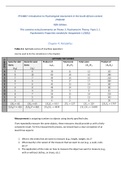
Table 4.1. Aptitude scores of machine operators:
(can be used to do the calculations in the chapter)
APTITUDE TEST SCORES
OPERATO
Score for odd Score for even Product of Total score Total score Product of
R
items items 𝒙𝟎 𝒙𝒆 (𝑿𝟏 )𝑻𝟏 (𝑿𝟐 )𝑻𝟐 (𝑿𝟏 𝑿𝟐 )
(𝒙𝟎 ) (𝒙𝒆 )
A 5 6 30 11 12 132
B 8 10 80 18 16 288
C 7 7 49 14 15 210
D 8 9 72 17 17 289
E 7 6 42 13 14 182
F 6 8 48 14 13 182
G 5 4 20 9 9 81
H 8 7 56 15 14 210
I 6 5 30 11 13 143
J 2 3 6 5 6 30
𝛴𝑋0 = 62 𝛴𝑋𝐸 = 65 𝛴𝑋0 𝑋𝑒 = 433 𝛴𝑋1 = 127 𝛴𝑋2 = 129 𝛴𝑋1 𝑋2 = 1747
𝛴(𝑋0 )2 = 416 𝛴(𝑋𝐸 )2 = 465 𝛴𝑋0 𝛴𝑋𝑒 = 4030 𝛴𝑋1 𝛴𝑋2 = 16383
Measurement is assigning numbers to objects using clearly specified rules.
If we repeatedly measure the same objects, these measures should provide us with a fairly
consistent result. For this measurement process, we should have a clear conception of at
least three aspects:
1. What is the entity that we want to measure (e.g., height, weight, etc.)?
2. What exactly is the nature of the measure that we want to use (e.g., a scale, ruler,
etc.)?
3. The application of the rules on how to measure the object we want to measure (e.g.,
with or without clothes, or shoes, etc.)
, We have to apply/consider these aspects in a consistent manner to ensure that we obtain
reliable measures of the object(s) we want to measure.
What is reliability?
The reliability of a measure is linked to consistency of measurement, and it refers to the
consistency with which it (test, instrument) measures whatever it measures.
Reliability of scores from/of a measure is used instead of saying the “reliability of a test”
since reliability doesn’t reside in the test but is a function of the use of a test.
Test score reliability is important because it affects the dependability of the scores obtained
that we use to make certain decisions about people. If using unreliable tests, this can lead to
incorrect decision making.
According to the Employment Equity Act (No. 55 of 1998) psychological measures (or other
similar assessments) need to meet two technical criteria – reliability and validity.
Consistency always implies a certain amount of error in measurement. Someone’s
performance in one administration of a measure is not completely accurate in reflecting the
‘true’ amount of the trait that the individual possesses. Other factors that can be present
and influence a person’s score = their emotional state of mind, fatigue, etc.
True and error measurement equation:
X=T+E
X = observed score (total score)
T = proportion true score (reliability of the measure)
E = proportion error score (unexplained variance)
If we have the test scores of the target population, the variance of the observed test scores
(X) would be expressed as follows in terms of true (T) and error (E) variance:
𝑺𝒙 𝟐 = 𝑺𝑻 𝟐 + 𝑺𝑬 𝟐
(Formula 4.2. bottom of page 61.)
Reliability (rxx) – the ratio of true score variance to observed score variance:
(Oxford).
Fifth Edition.
This contains notes/summaries on Theme 1: Psychometric Theory, Topic 1.1.
Psychometric Properties needed for Assignment 1 (2022).
Chapter 4: Reliability:
Table 4.1. Aptitude scores of machine operators:
(can be used to do the calculations in the chapter)
APTITUDE TEST SCORES
OPERATO
Score for odd Score for even Product of Total score Total score Product of
R
items items 𝒙𝟎 𝒙𝒆 (𝑿𝟏 )𝑻𝟏 (𝑿𝟐 )𝑻𝟐 (𝑿𝟏 𝑿𝟐 )
(𝒙𝟎 ) (𝒙𝒆 )
A 5 6 30 11 12 132
B 8 10 80 18 16 288
C 7 7 49 14 15 210
D 8 9 72 17 17 289
E 7 6 42 13 14 182
F 6 8 48 14 13 182
G 5 4 20 9 9 81
H 8 7 56 15 14 210
I 6 5 30 11 13 143
J 2 3 6 5 6 30
𝛴𝑋0 = 62 𝛴𝑋𝐸 = 65 𝛴𝑋0 𝑋𝑒 = 433 𝛴𝑋1 = 127 𝛴𝑋2 = 129 𝛴𝑋1 𝑋2 = 1747
𝛴(𝑋0 )2 = 416 𝛴(𝑋𝐸 )2 = 465 𝛴𝑋0 𝛴𝑋𝑒 = 4030 𝛴𝑋1 𝛴𝑋2 = 16383
Measurement is assigning numbers to objects using clearly specified rules.
If we repeatedly measure the same objects, these measures should provide us with a fairly
consistent result. For this measurement process, we should have a clear conception of at
least three aspects:
1. What is the entity that we want to measure (e.g., height, weight, etc.)?
2. What exactly is the nature of the measure that we want to use (e.g., a scale, ruler,
etc.)?
3. The application of the rules on how to measure the object we want to measure (e.g.,
with or without clothes, or shoes, etc.)
, We have to apply/consider these aspects in a consistent manner to ensure that we obtain
reliable measures of the object(s) we want to measure.
What is reliability?
The reliability of a measure is linked to consistency of measurement, and it refers to the
consistency with which it (test, instrument) measures whatever it measures.
Reliability of scores from/of a measure is used instead of saying the “reliability of a test”
since reliability doesn’t reside in the test but is a function of the use of a test.
Test score reliability is important because it affects the dependability of the scores obtained
that we use to make certain decisions about people. If using unreliable tests, this can lead to
incorrect decision making.
According to the Employment Equity Act (No. 55 of 1998) psychological measures (or other
similar assessments) need to meet two technical criteria – reliability and validity.
Consistency always implies a certain amount of error in measurement. Someone’s
performance in one administration of a measure is not completely accurate in reflecting the
‘true’ amount of the trait that the individual possesses. Other factors that can be present
and influence a person’s score = their emotional state of mind, fatigue, etc.
True and error measurement equation:
X=T+E
X = observed score (total score)
T = proportion true score (reliability of the measure)
E = proportion error score (unexplained variance)
If we have the test scores of the target population, the variance of the observed test scores
(X) would be expressed as follows in terms of true (T) and error (E) variance:
𝑺𝒙 𝟐 = 𝑺𝑻 𝟐 + 𝑺𝑬 𝟐
(Formula 4.2. bottom of page 61.)
Reliability (rxx) – the ratio of true score variance to observed score variance: