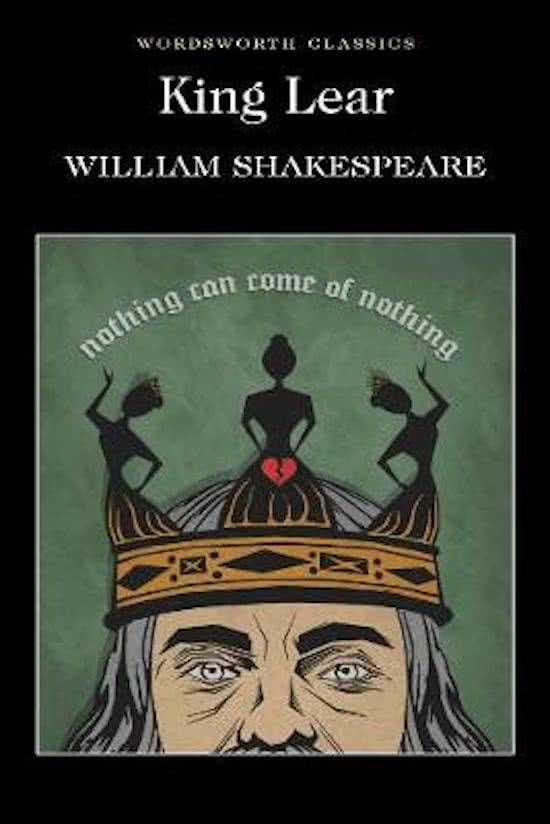
King Lear
Contents
About the Play...................................................................................................................................2
nature............................................................................................................................................2
preference.....................................................................................................................................2
lear.................................................................................................................................................2
madness.........................................................................................................................................3
hope...............................................................................................................................................3
miscellaneous................................................................................................................................3
King Lear................................................................................................................................................3
Act I Scene 1......................................................................................................................................3
Act I Scene 2......................................................................................................................................4
Act I Scene 2......................................................................................................................................4
Act I Scene 4......................................................................................................................................4
Act I Scene 5......................................................................................................................................5
Act II Scene 1.....................................................................................................................................5
Act II Scene 2.....................................................................................................................................5
Act II Scene 3.....................................................................................................................................5
Act II Scene 4.....................................................................................................................................5
Act III Scene 1....................................................................................................................................6
Act III Scene 2....................................................................................................................................6
Act III Scene 3....................................................................................................................................6
Act III Scene 4....................................................................................................................................6
Act III Scene 5....................................................................................................................................6
Act III Scene 6....................................................................................................................................6
Act III Scene 7....................................................................................................................................7
Act IV Scene 1....................................................................................................................................7
Act IV Scene 2....................................................................................................................................7
Act IV Scene 3....................................................................................................................................7
Act IV Scene IV...................................................................................................................................7
Act IV Scene 5....................................................................................................................................8
Act IV Scene 6....................................................................................................................................8
Act IV Scene 7....................................................................................................................................8
Act V Scene 1.....................................................................................................................................8
, Act V Scene 2.....................................................................................................................................8
Act V Scene 3.....................................................................................................................................8
About the Play
nature
King Lear focusses a lot on nature. Nature used to be seen as a divinely ordered system humanity
has to bow to, God ruled Nature and used it to express His will. Around Shakespeare’s time,
however, people started to look at nature as an amoral source of forces, not divinely designed or
harmonious, but a brutal, savage array of forces. King Lear is an allegorical reflection of human
relationship with this Nature.
Act 1 Scene 1 immediately starts with a case of nature: Edmund is Gloucester’s natural son, and
arguably born more naturally than Edgar – Edmund was conceived in lustful passion, whilst Edgar
was conceived as part of a (presumably contracted) marriage. Cordelia says she loves her father
according to her nature. Relationships and nature are continually linked: Gloucester is helped by his
servants, a servant tries to stop Cornwall from hurting Gloucester, the nature of the relationships
between parents and their children…
Nature is divisive, and nature brings you back to your core, strips everything away and leaves you
with just you. The division not just literally (as in, the kingdom being split into pieces) but
relationship-wise, when the division between Albany and Cornwall is announced, is appropriately
introduced at the start of the scenes on the heath: as the wildness and nakedness of nature arrive,
the discord is revealed.
Nature is also frequently appealed to, or blamed for certain circumstances. Kent believes the stars
influence someone’s character whilst Edmund thinks this nonsense. Animal comparisons are made
frequently,1 Cordelia uses comparisons to flowers and plants.
preference
The theme of preference also dominates the play. In the opening lines, Kent and Gloucester already
discuss who in their surroundings is preferred: does the king prefer Albany or Cornwall? Does
Gloucester prefer Edmund or Edgar?
lear
From the start of the play, we can already see the divided state of Lear’s mind, as symbolised by the
divided kingdom. No (English) king would divide their kingdom or retire at all. 2 His infantile state also
becomes immediately clear. He wants to be listened to, he wants people to fulfil his wishes before
he has even spoken them, and when this does not happen he throws a tantrum – he disinherits
Cordelia when she humiliates him in public by not playing along, and exiles Kent when he tries to
stop Lear. Lear’s only way of dealing with things is through fantastical megalomaniacal infantile
linguistic violence. He insults people around them, hurts them with his words, wishes them a bad
future, and constantly threatens violence. This is a theme that runs throughout the entirety of the
play, from the very start to the end when he kills Cordelia’s murderer. 3 Lear wants justice, and in his
opinion, this equals vengeance. And vengeance equals violence.
1
See, for example, III.7.74-5.
2
One of my profs once held a whole speech about how ridiculous it was that now-princess Beatrix of the
Netherlands stepped down and gave the crown to her son. A real ruler should die in their job.
3
See, for example, I.1.122, 152.
Contents
About the Play...................................................................................................................................2
nature............................................................................................................................................2
preference.....................................................................................................................................2
lear.................................................................................................................................................2
madness.........................................................................................................................................3
hope...............................................................................................................................................3
miscellaneous................................................................................................................................3
King Lear................................................................................................................................................3
Act I Scene 1......................................................................................................................................3
Act I Scene 2......................................................................................................................................4
Act I Scene 2......................................................................................................................................4
Act I Scene 4......................................................................................................................................4
Act I Scene 5......................................................................................................................................5
Act II Scene 1.....................................................................................................................................5
Act II Scene 2.....................................................................................................................................5
Act II Scene 3.....................................................................................................................................5
Act II Scene 4.....................................................................................................................................5
Act III Scene 1....................................................................................................................................6
Act III Scene 2....................................................................................................................................6
Act III Scene 3....................................................................................................................................6
Act III Scene 4....................................................................................................................................6
Act III Scene 5....................................................................................................................................6
Act III Scene 6....................................................................................................................................6
Act III Scene 7....................................................................................................................................7
Act IV Scene 1....................................................................................................................................7
Act IV Scene 2....................................................................................................................................7
Act IV Scene 3....................................................................................................................................7
Act IV Scene IV...................................................................................................................................7
Act IV Scene 5....................................................................................................................................8
Act IV Scene 6....................................................................................................................................8
Act IV Scene 7....................................................................................................................................8
Act V Scene 1.....................................................................................................................................8
, Act V Scene 2.....................................................................................................................................8
Act V Scene 3.....................................................................................................................................8
About the Play
nature
King Lear focusses a lot on nature. Nature used to be seen as a divinely ordered system humanity
has to bow to, God ruled Nature and used it to express His will. Around Shakespeare’s time,
however, people started to look at nature as an amoral source of forces, not divinely designed or
harmonious, but a brutal, savage array of forces. King Lear is an allegorical reflection of human
relationship with this Nature.
Act 1 Scene 1 immediately starts with a case of nature: Edmund is Gloucester’s natural son, and
arguably born more naturally than Edgar – Edmund was conceived in lustful passion, whilst Edgar
was conceived as part of a (presumably contracted) marriage. Cordelia says she loves her father
according to her nature. Relationships and nature are continually linked: Gloucester is helped by his
servants, a servant tries to stop Cornwall from hurting Gloucester, the nature of the relationships
between parents and their children…
Nature is divisive, and nature brings you back to your core, strips everything away and leaves you
with just you. The division not just literally (as in, the kingdom being split into pieces) but
relationship-wise, when the division between Albany and Cornwall is announced, is appropriately
introduced at the start of the scenes on the heath: as the wildness and nakedness of nature arrive,
the discord is revealed.
Nature is also frequently appealed to, or blamed for certain circumstances. Kent believes the stars
influence someone’s character whilst Edmund thinks this nonsense. Animal comparisons are made
frequently,1 Cordelia uses comparisons to flowers and plants.
preference
The theme of preference also dominates the play. In the opening lines, Kent and Gloucester already
discuss who in their surroundings is preferred: does the king prefer Albany or Cornwall? Does
Gloucester prefer Edmund or Edgar?
lear
From the start of the play, we can already see the divided state of Lear’s mind, as symbolised by the
divided kingdom. No (English) king would divide their kingdom or retire at all. 2 His infantile state also
becomes immediately clear. He wants to be listened to, he wants people to fulfil his wishes before
he has even spoken them, and when this does not happen he throws a tantrum – he disinherits
Cordelia when she humiliates him in public by not playing along, and exiles Kent when he tries to
stop Lear. Lear’s only way of dealing with things is through fantastical megalomaniacal infantile
linguistic violence. He insults people around them, hurts them with his words, wishes them a bad
future, and constantly threatens violence. This is a theme that runs throughout the entirety of the
play, from the very start to the end when he kills Cordelia’s murderer. 3 Lear wants justice, and in his
opinion, this equals vengeance. And vengeance equals violence.
1
See, for example, III.7.74-5.
2
One of my profs once held a whole speech about how ridiculous it was that now-princess Beatrix of the
Netherlands stepped down and gave the crown to her son. A real ruler should die in their job.
3
See, for example, I.1.122, 152.