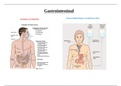
Gastrointestinal
TOTAL PARENTERAL NUTRITION (TPN)
ENTERAL NUTRITION
, ENTERAL NUTRITION
INDICATIONS: COMPLICATIONS:
Infections
Inability to take adequate nutrition orally
Fever, abdominal pain, tachycardia
Inability to eat due to a medical condition (comatose, intubated) Discard feeding and tubing after 24 hrs.
Difficulty swallowing or increase risk of aspiration (stroke, Parkinson’s, MS) Clog
Inability to maintain adequate oral nutritional intake and need for supplementation Gentle pressure
due to increased metabolic demands (cancer therapy, burns, sepsis) Use carbonated Beverage (soda, or anything carbonated)
Overfeeding
Results from infusion of more than can be digested,
INTERVENTIONS: S/S: Abdominal distention, N/V
Place directly in GI tract, so a functional GI is necessary (able to digest, absorb, & Check residual every 4 to 6 hr.
metabolize the nutrients before used) Slowing or withholding feedings for excess residual volumes
Hold for residual volumes of 100 to 200 mL and restart at lower rate after a period of rest
o Check bowel sounds & movement Check pump and ensure feeding infused at correct rate
Discard after 24hrs Diarrhea
Nutrients delivery by tube, catheter, or stoma Occurs secondary to concentration of feeding or its constituents
Slow the rate of feeding and notify the provider
Assess effectiveness: Consult with a dietitian
o Monitor weight (should increase) Provide skin care and protection
o Monitor Albumin level (should increase = protein status improving) Evaluate for C. Diff if diarrhea continues, especially if it has a very foul odor
HOB > 30º for 30-60 mins post feed to avoid aspiration Aspiration Pneumonia (AP)
Secondary to aspiration of feeding (life-threatening complication)
Check tube placement before each feeding Tube displacement is the primary cause of aspiration of feeding
o CXR after insertion of tube Stop the feeding
o Then aspirate GI content, check pH (should be < 4), then give back what you Turn the client to his side and suction airway
Administer oxygen
aspirated Monitor V/S for an elevated temperature
Check residual before each feeding & Q 4-6hrs (gastric content [will tell you if Auscultate breath sounds for increased congestion and diminishing breath sounds
patient is tolerating food well] then return residual to patient) Notify provider and obtain a chest x-ray
o Continuous feeds: if volumes > 500 mL or for > 2 hrs. = can cause poor Refeeding Syndrome (RS)
Life-threatening
tolerance Occurs when enteral feeding is started in client who is in a starvation state and whose body has begun to
Stop for 1 hr. & reassess catabolize protein and fat for energy
o Bolus/Intermittent feeds: if volumes > 200 mL = poor tolerance Monitor for new onset of confusion or seizures, fluid volume over load, electrolyte imbalance
Assess for shallow respirations
Stop for 1 hr. & reassess
Monitor for increased muscular weakness
Administer at room temp: Notify the provider and obtain serum electrolytes
o Patient will have diarrhea & abdominal discomfort if it’s cold Dumping Syndrome (DS)
Slow rate if patient has diarrhea A shift of fluid to the abdomen triggered by rapid gastric emptying or high-carbohydrate ingestion
The rapid release of metabolic peptides following ingestion of a food bolus causes DS
Flush with warm water (15-30mL) Q 4hrs for tube patency and hydration Small frequent meals
When giving medications NO concentrated sugars or milk (sweets, fruit juice, sweetened fruit, milk shakes, honey, syrup, jelly)
o Its 1 at a time NO fluids 1 hr. pre/post meal
o Flush in between every medication Lie down post meals for 20-30 mins
Consume a high-protein, high-fat, low-fiber, and low-to-moderate carbohydrate diet
TYPES:
Standard: whole large molecule (regular food blended)
o Patient needs to have fully functional tract
Hydrolyzed: smallest molecule (easily absorbable)
o For patients with IBD, Pulmonary impairment, Pancreatic disease, if GI tract
not working properly but can still digest, they just need a little more work)
, TOTAL PARENTERAL NUTRITION (TPN)
Delivers nutrients into bloodstream bypassing GI tract EFFECTIVENESS:
A hypertonic IV bolus solution through: Weight gain by 1kg/day
o A Central Line (tunneled triple lumen catheter) – for TPN Increase in Albumin levels (3.5-5.0 g/dL)
Standard IV bolus therapy is typically no more than 700 calories/day Increase in Prealbumin levels (15-36 mg/dL)
Contains complete nutrition, including calories in a high concentration (10% to
50%) of: COMPLICATIONS:
Dextrose Metabolic Complications such as:
Lipids Hyperglycemia
Essential fatty acids Hypoglycemia
Protein Vitamin deficiencies
Electrolytes Refeeding syndrome
Vitamins o S/S: Glucose imbalance, Hyperkalemia, Hypophosphatemia, Hypocalcemia
Trace elements Daily lab tests and obtain results before a new solution is prepared
o PICC Line (a single-or double-lumen) – for PPN Fluid needs are typically replaced with a separate IV bolus to prevent fluid volume excess
Less hypertonic Monitor for hyperglycemia
Short-term use
In a large peripheral vein Air embolism, Pneumo/Hemothorax, Perforation
Dextrose concentration is 10% or less Pressure change during tubing changes
Risks include phlebitis Monitor for manifestations:
o Sudden onset of dyspnea
INDICATIONS: o Chest pain
For patients with nonfunctional GI tract
o Anxiety
Prevents or correct nutritional deficiencies
o Hypoxia
Minimize the adverse effects of malnourishment
Clamp the catheter immediately and place on left side in Trendelenburg to trap air
INTERVENTIONS: Administer oxygen and notify the provider so trapped air can be aspirated
Determine readiness for TPN
Assess vitals Q 4-8 hrs. Infection
Check blood sugar levels Q 4-6 hours Concentrated glucose is a medium for bacteria
If next bag is unavailable use IV Dextrose 10% or 20% water to prevent hypoglycemia Observe central line insertion site for local infection (erythema, tenderness, exudate)
Obtain daily lab values, especially electrolytes & weight Change the sterile dressing on central line Q 48 to 72 hr.
o Hypo/Hyperkalemia, Hypo/Hyperglycemia, Hypo/Hypercalcemia Change IV tubing Q 24 hr.
Do not use TPN line for other IV bolus fluids or medications = infection
Check TPN for cracking, if there’s oil on top (can’t give, throw away)
Observe the client for manifestations of systemic infection:
Check for allergies if lipids are ordered:
o Fever
o Soybeans
o Chills
o Safflower
o Malaise
o Eggs
o WBC
I&O: dehydration & hypovolemic shock
Never increase the rate to “catch up” if bag is late/unavailable
Administer at room temp Fluid Imbalance
TPN is a hyperosmotic solution (3-6 times the osmolarity of blood), which poses a risk for
TOTAL PARENTERAL NUTRITION (TPN)
ENTERAL NUTRITION
, ENTERAL NUTRITION
INDICATIONS: COMPLICATIONS:
Infections
Inability to take adequate nutrition orally
Fever, abdominal pain, tachycardia
Inability to eat due to a medical condition (comatose, intubated) Discard feeding and tubing after 24 hrs.
Difficulty swallowing or increase risk of aspiration (stroke, Parkinson’s, MS) Clog
Inability to maintain adequate oral nutritional intake and need for supplementation Gentle pressure
due to increased metabolic demands (cancer therapy, burns, sepsis) Use carbonated Beverage (soda, or anything carbonated)
Overfeeding
Results from infusion of more than can be digested,
INTERVENTIONS: S/S: Abdominal distention, N/V
Place directly in GI tract, so a functional GI is necessary (able to digest, absorb, & Check residual every 4 to 6 hr.
metabolize the nutrients before used) Slowing or withholding feedings for excess residual volumes
Hold for residual volumes of 100 to 200 mL and restart at lower rate after a period of rest
o Check bowel sounds & movement Check pump and ensure feeding infused at correct rate
Discard after 24hrs Diarrhea
Nutrients delivery by tube, catheter, or stoma Occurs secondary to concentration of feeding or its constituents
Slow the rate of feeding and notify the provider
Assess effectiveness: Consult with a dietitian
o Monitor weight (should increase) Provide skin care and protection
o Monitor Albumin level (should increase = protein status improving) Evaluate for C. Diff if diarrhea continues, especially if it has a very foul odor
HOB > 30º for 30-60 mins post feed to avoid aspiration Aspiration Pneumonia (AP)
Secondary to aspiration of feeding (life-threatening complication)
Check tube placement before each feeding Tube displacement is the primary cause of aspiration of feeding
o CXR after insertion of tube Stop the feeding
o Then aspirate GI content, check pH (should be < 4), then give back what you Turn the client to his side and suction airway
Administer oxygen
aspirated Monitor V/S for an elevated temperature
Check residual before each feeding & Q 4-6hrs (gastric content [will tell you if Auscultate breath sounds for increased congestion and diminishing breath sounds
patient is tolerating food well] then return residual to patient) Notify provider and obtain a chest x-ray
o Continuous feeds: if volumes > 500 mL or for > 2 hrs. = can cause poor Refeeding Syndrome (RS)
Life-threatening
tolerance Occurs when enteral feeding is started in client who is in a starvation state and whose body has begun to
Stop for 1 hr. & reassess catabolize protein and fat for energy
o Bolus/Intermittent feeds: if volumes > 200 mL = poor tolerance Monitor for new onset of confusion or seizures, fluid volume over load, electrolyte imbalance
Assess for shallow respirations
Stop for 1 hr. & reassess
Monitor for increased muscular weakness
Administer at room temp: Notify the provider and obtain serum electrolytes
o Patient will have diarrhea & abdominal discomfort if it’s cold Dumping Syndrome (DS)
Slow rate if patient has diarrhea A shift of fluid to the abdomen triggered by rapid gastric emptying or high-carbohydrate ingestion
The rapid release of metabolic peptides following ingestion of a food bolus causes DS
Flush with warm water (15-30mL) Q 4hrs for tube patency and hydration Small frequent meals
When giving medications NO concentrated sugars or milk (sweets, fruit juice, sweetened fruit, milk shakes, honey, syrup, jelly)
o Its 1 at a time NO fluids 1 hr. pre/post meal
o Flush in between every medication Lie down post meals for 20-30 mins
Consume a high-protein, high-fat, low-fiber, and low-to-moderate carbohydrate diet
TYPES:
Standard: whole large molecule (regular food blended)
o Patient needs to have fully functional tract
Hydrolyzed: smallest molecule (easily absorbable)
o For patients with IBD, Pulmonary impairment, Pancreatic disease, if GI tract
not working properly but can still digest, they just need a little more work)
, TOTAL PARENTERAL NUTRITION (TPN)
Delivers nutrients into bloodstream bypassing GI tract EFFECTIVENESS:
A hypertonic IV bolus solution through: Weight gain by 1kg/day
o A Central Line (tunneled triple lumen catheter) – for TPN Increase in Albumin levels (3.5-5.0 g/dL)
Standard IV bolus therapy is typically no more than 700 calories/day Increase in Prealbumin levels (15-36 mg/dL)
Contains complete nutrition, including calories in a high concentration (10% to
50%) of: COMPLICATIONS:
Dextrose Metabolic Complications such as:
Lipids Hyperglycemia
Essential fatty acids Hypoglycemia
Protein Vitamin deficiencies
Electrolytes Refeeding syndrome
Vitamins o S/S: Glucose imbalance, Hyperkalemia, Hypophosphatemia, Hypocalcemia
Trace elements Daily lab tests and obtain results before a new solution is prepared
o PICC Line (a single-or double-lumen) – for PPN Fluid needs are typically replaced with a separate IV bolus to prevent fluid volume excess
Less hypertonic Monitor for hyperglycemia
Short-term use
In a large peripheral vein Air embolism, Pneumo/Hemothorax, Perforation
Dextrose concentration is 10% or less Pressure change during tubing changes
Risks include phlebitis Monitor for manifestations:
o Sudden onset of dyspnea
INDICATIONS: o Chest pain
For patients with nonfunctional GI tract
o Anxiety
Prevents or correct nutritional deficiencies
o Hypoxia
Minimize the adverse effects of malnourishment
Clamp the catheter immediately and place on left side in Trendelenburg to trap air
INTERVENTIONS: Administer oxygen and notify the provider so trapped air can be aspirated
Determine readiness for TPN
Assess vitals Q 4-8 hrs. Infection
Check blood sugar levels Q 4-6 hours Concentrated glucose is a medium for bacteria
If next bag is unavailable use IV Dextrose 10% or 20% water to prevent hypoglycemia Observe central line insertion site for local infection (erythema, tenderness, exudate)
Obtain daily lab values, especially electrolytes & weight Change the sterile dressing on central line Q 48 to 72 hr.
o Hypo/Hyperkalemia, Hypo/Hyperglycemia, Hypo/Hypercalcemia Change IV tubing Q 24 hr.
Do not use TPN line for other IV bolus fluids or medications = infection
Check TPN for cracking, if there’s oil on top (can’t give, throw away)
Observe the client for manifestations of systemic infection:
Check for allergies if lipids are ordered:
o Fever
o Soybeans
o Chills
o Safflower
o Malaise
o Eggs
o WBC
I&O: dehydration & hypovolemic shock
Never increase the rate to “catch up” if bag is late/unavailable
Administer at room temp Fluid Imbalance
TPN is a hyperosmotic solution (3-6 times the osmolarity of blood), which poses a risk for