NUR2755 Section BTP3 Multidimensional Care IV
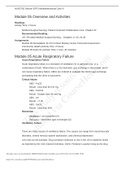
Module 07 Overview and Activities
. Readings
Activity Time: 1 hour and 30 minutes
. Medical-Surgical Nursing: Patient-Centered Collaborative Care, Chapter 37
. Recommended Reading -
. ATI: RN Adult Medical Surgical Nursing - Chapter 2
. Lesson Content
. Module 07 Shock (Activity Time: 1 hour)
. Module 07 Rapid Response Team (Medical Emergency Team) (Activity Time: 10
minutes)
. Module 07 Pulmonary Artery Catheter (PAC) (Activity Time: 30 minutes)
. Module 07 ATI (Activity Time: NA)
Module 07 Rapid Response Team (Medical Emergency
Team)
Rapid Response Team (Medical Emergency Team)
The purpose of the Rapid Response Team is intervening early before a client’s change in their
status evolves into a medical emergency, such as cardiac arrest. Deciding when to alert the
Rapid Response Team is usually standardized with specific alert criteria. In facilities that have
an EHR (electronic health record) the trigger to activate a response team may be a pop-up alert
that notifies the RN that the client is meeting one of the criteria. Below are some examples of
criteria.
. Heart rate greater than 140 beats/min or less than 40 beats/min
. Respiratory rate over 28 breaths/min or less than 8 breaths/min
. Systolic blood pressure greater than 180 mm Hg or less than 90 mm Hg
. Oxygen saturation less than 90% despite supplementation
. Acute change in mental status
. Urine output less than 50 cc over 4 hours
. A staff member has significant concern about client’s condition
. Chest pain unrelieved by nitroglycerin
. Seizure
. Threatened airway
. Uncontrolled pain
The goal of the team is collaboration to improve client outcomes. The team members may vary
1
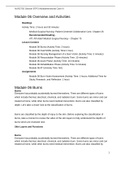
Module 07 Overview and Activities
. Readings
Activity Time: 1 hour and 30 minutes
. Medical-Surgical Nursing: Patient-Centered Collaborative Care, Chapter 37
. Recommended Reading -
. ATI: RN Adult Medical Surgical Nursing - Chapter 2
. Lesson Content
. Module 07 Shock (Activity Time: 1 hour)
. Module 07 Rapid Response Team (Medical Emergency Team) (Activity Time: 10
minutes)
. Module 07 Pulmonary Artery Catheter (PAC) (Activity Time: 30 minutes)
. Module 07 ATI (Activity Time: NA)
Module 07 Rapid Response Team (Medical Emergency
Team)
Rapid Response Team (Medical Emergency Team)
The purpose of the Rapid Response Team is intervening early before a client’s change in their
status evolves into a medical emergency, such as cardiac arrest. Deciding when to alert the
Rapid Response Team is usually standardized with specific alert criteria. In facilities that have
an EHR (electronic health record) the trigger to activate a response team may be a pop-up alert
that notifies the RN that the client is meeting one of the criteria. Below are some examples of
criteria.
. Heart rate greater than 140 beats/min or less than 40 beats/min
. Respiratory rate over 28 breaths/min or less than 8 breaths/min
. Systolic blood pressure greater than 180 mm Hg or less than 90 mm Hg
. Oxygen saturation less than 90% despite supplementation
. Acute change in mental status
. Urine output less than 50 cc over 4 hours
. A staff member has significant concern about client’s condition
. Chest pain unrelieved by nitroglycerin
. Seizure
. Threatened airway
. Uncontrolled pain
The goal of the team is collaboration to improve client outcomes. The team members may vary
1