
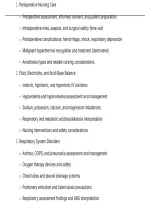
1. Perioperative Nursing Care
Preoperative assessment, informed consent, and patient preparation
Intraoperative roles, asepsis, and surgical safety (time-out)
Postoperative complications: hemorrhage, shock, respiratory depression
Malignant hyperthermia recognition and treatment (dantrolene)
Anesthesia types and related nursing considerations
2. Fluid, Electrolyte, and Acid-Base Balance
Isotonic, hypotonic, and hypertonic IV solutions
Hypovolemia and hypervolemia assessment and management
Sodium, potassium, calcium, and magnesium imbalances
Respiratory and metabolic acidosis/alkalosis interpretation
Nursing interventions and safety considerations
3. Respiratory System Disorders
Asthma, COPD, and pneumonia assessment and management
Oxygen therapy devices and safety
Chest tubes and pleural drainage systems
Pulmonary embolism and tuberculosis precautions
Respiratory assessment findings and ABG interpretation
,4. Cardiovascular System Disorders
Hypertension and hypertensive crisis
Heart failure: left vs. right sided manifestations
Myocardial infarction and cardiac monitoring
Dysrhythmias and pacemaker care
Peripheral vascular disease and anticoagulant therapy
5. Neurological System Disorders
Stroke recognition and acute management
Increased intracranial pressure and seizure precautions
Spinal cord injury and autonomic dysreflexia
Traumatic brain injury and level of consciousness
Neurological assessment and medication management
6. Endocrine System Disorders
Diabetes mellitus: DKA and HHNS
Thyroid disorders: hyperthyroidism and hypothyroidism
Adrenal disorders: Addison's and Cushing's
Insulin and oral hypoglycemic agents
Postoperative thyroidectomy and parathyroid complications
,7. Renal and Urinary System Disorders
Acute kidney injury and chronic kidney disease
Dialysis: hemodialysis and peritoneal dialysis
Electrolyte disturbances in renal failure
Urinary tract infections and catheter care
Fluid restriction and dietary management
8. Gastrointestinal System Disorders
GI bleeding and peptic ulcer disease
Bowel obstruction and diverticulitis
Liver disorders: cirrhosis and hepatitis
Pancreatitis and nutritional support
Ostomy and NG tube care
9. Musculoskeletal and Integumentary Disorders
Fractures, traction, and cast care
Compartment syndrome and fat embolism
Total hip and knee arthroplasty care
Pressure injuries and wound care
Osteoporosis and osteoarthritis management
, 10. Hematologic and Oncologic Disorders
Anemias and sickle cell crisis
Leukemia, lymphoma, and multiple myeloma
Chemotherapy and radiation safety
Neutropenic precautions and transfusion reactions
Clotting disorders and heparin-induced thrombocytopenia
NSG 4100 Exam 2
1. A patient scheduled for surgery signs the informed consent form, but the nurse
notices the surgeon did not explain the risks of the procedure. Which action
should the nurse take first?
A. Witness the signature and proceed with preoperative preparation
B. Notify the surgeon that the consent discussion must occur before surgery
C. Explain the surgical risks to the patient before witnessing the signature
D. Document that the patient appeared confused during the consent process
Answer: B
Rationale: Informed consent requires the surgeon to disclose risks, benefits, and
alternatives. The nurse's role is to witness the signature and advocate for the
patient; the nurse cannot obtain consent or explain surgical risks.


