Page 1 of 1510/20/2026https://www.stuvia.com/user/????????????????????"OP@)(@)(*#@(#*@#&*$^&)(*@)$*$(&(Y&*&%Y&*(@)&$(&%*&%*&(&%@&*($#(*&98oMICROBIOLOGY
10/20/2026, 4:12:40 AMPage 1 of 1510/20/2026https://www.stuvia.com/user/????????????????????"OP@)(@)(*#@(#*@#&*$^&)(*@)$*$(&(Y&*&%Y&*(@)&$(&%*&%*&(&%@&*($#(*&98oMICROBIOLOGY
Page 1 of 1510/20/2026https://www.stuvia.com/user/????????????????????"OP@)(@)(*#@(#*@#&*$^&)(*@)$*$(&(Y&*&%Y&*(@)&$(&%*&%*&(&%@&*($#(*&98oMICROBIOLOGY
FOR HEALTH SCIENCE.pdf10/20/2026, 4:09:33 AM FOR HEALTH SCIENCE.pdf10/20/2026,
FOR HEALTH
4:09:33SCIENCE.pdf10/20/2026,
AM 4:09:33 AM
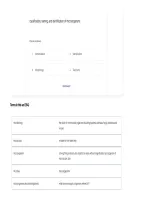
classification, naming, and identification of microorganisms
Choose an answer
1 Nomenclature 2 Identification
3 Morphology 4 Taxonomy
Don't know?
Terms in this set (154)
microbiology the study of microscopic organisms including bacteria, archaea, fungi, protozoa and
viruses
microscopic invisible to the naked eye
microorganism a living thing ordinarily too small to be seen without magnification and organism of
microscopic size
Microbes microorganisms
microorganisms and microorganisms what are microscopic organisms refered to?
Page 1 of 1510/20/2026https://www.stuvia.com/user/????????????????????"OP@)(@)(*#@(#*@#&*$^&)(*@)$*$(&(Y&*&%Y&*(@)&$(&%*&%*&(&%@&*($#(*&98oMICROBIOLOGY
Page 1 of 1510/20/2026https://www.stuvia.com/user/????????????????????"OP@)(@)(*#@(#*@#&*$^&)(*@)$*$(&(Y&*&%Y&*(@)&$(&%*&%*&(&%@&*($#(*&98oMICROBIOLOGY
Page 1 of 1510/20/2026https://www.stuvia.com/user/????????????????????"OP@)(@)(*#@(#*@#&*$^&)(*@)$*$(&(Y&*&%Y&*(@)&$(&%*&%*&(&%@&*($#(*&98oMICROBIOLOGY
FOR HEALTH SCIENCE.pdf10/20/2026, 4:09:33
FORAM
HEALTH SCIENCE.pdf10/20/2026, 4:09:33
FORAM
HEALTH SCIENCE.pdf10/20/2026, 4:09:33 AM
, Page 2 of 1510/20/2026https://www.stuvia.com/user/????????????????????"OP@)(@)(*#@(#*@#&*$^&)(*@)$*$(&(Y&*&%Y&*(@)&$(&%*&%*&(&%@&*($#(*&98oMICROBIOLOGY
10/20/2026, 4:12:40 AMPage 2 of 1510/20/2026https://www.stuvia.com/user/????????????????????"OP@)(@)(*#@(#*@#&*$^&)(*@)$*$(&(Y&*&%Y&*(@)&$(&%*&%*&(&%@&*($#(*&98oMICROBIOLOGY
Page 2 of 1510/20/2026https://www.stuvia.com/user/????????????????????"OP@)(@)(*#@(#*@#&*$^&)(*@)$*$(&(Y&*&%Y&*(@)&$(&%*&%*&(&%@&*($#(*&98oMICROBIOLOGY
FOR HEALTH SCIENCE.pdf10/20/2026, 4:09:33 AM FOR HEALTH SCIENCE.pdf10/20/2026,
FOR HEALTH
4:09:33SCIENCE.pdf10/20/2026,
AM 4:09:33 AM
bacteria, viruses, fungi, protozoa, algae and helminths major groups of microorganisms included in this study are:
(parasitic worms)
CDC (Center for Disease Control) collects information and statistics on diseases from around the United States and
publishes it in a newsletter.
Public Health microbiology and epidemiology monitor and control the spread of diseases in communities
Organelles appeared in the fossil record as a more complex cell, which had developed the nucleus
and various specialized internal structures:
Prokaryotic smaller that the eukaryotes cells, lack cellular organelles, does not contain a true
nucleus
algae , protozoa , molds, and yeast and certain animals such What eukaryotes are micro-organisms?
as worms and arthropods.
Eukaryotic cells what cells are larger than prokaryotic cells?
prokaryotic cells they lack organelles, which are structures in cells bound by one or more membranes
the mitochondria and Golgi complexes, and several others, what are examples of organelles?
which perform special functions such as transport, feeding,
energy release and use, and synthesis
prokaryotes perform similar functions, but they lack dedicated organelles to carry them out
single cell or clusters of cells the body plan of most microorganisms consist of:
centimeters and meters what dimension of microscopic organisms are usually given in?
Page 2 of 1510/20/2026https://www.stuvia.com/user/????????????????????"OP@)(@)(*#@(#*@#&*$^&)(*@)$*$(&(Y&*&%Y&*(@)&$(&%*&%*&(&%@&*($#(*&98oMICROBIOLOGY
Page 2 of 1510/20/2026https://www.stuvia.com/user/????????????????????"OP@)(@)(*#@(#*@#&*$^&)(*@)$*$(&(Y&*&%Y&*(@)&$(&%*&%*&(&%@&*($#(*&98oMICROBIOLOGY
Page 2 of 1510/20/2026https://www.stuvia.com/user/????????????????????"OP@)(@)(*#@(#*@#&*$^&)(*@)$*$(&(Y&*&%Y&*(@)&$(&%*&%*&(&%@&*($#(*&98oMICROBIOLOGY
FOR HEALTH SCIENCE.pdf10/20/2026, 4:09:33
FORAM
HEALTH SCIENCE.pdf10/20/2026, 4:09:33
FORAM
HEALTH SCIENCE.pdf10/20/2026, 4:09:33 AM