Beloved
Contents
Historical Context............................................................................................3
The Fugitive Slave Act of 1850........................................................................... 3
The Reconstruction Era....................................................................................... 4
Literary Context...............................................................................................4
Black female writers........................................................................................... 4
The New Testament passage cited at the beginning of the novel.......................4
Camille Billops's The Harlem Book of the Dead..................................................5
Ralph Ellison's Invisible Man............................................................................... 5
William Wells Brown's Clotelle and Zora Neale Hurston's Moses, Man of the
Mountain............................................................................................................. 5
Zora Neale Hurston’s Their Eyes Were Watching God........................................5
Sherley Anne Williams’ Dessa Rose....................................................................5
Setting.............................................................................................................6
Ohio as a borderland between slavery and freedom..........................................6
The house........................................................................................................... 6
Author Biography............................................................................................6
Characters.......................................................................................................7
Sethe.................................................................................................................. 7
Denver................................................................................................................ 7
Beloved............................................................................................................... 7
Paul D................................................................................................................. 8
Baby Suggs......................................................................................................... 9
Plot Summary...............................................................................................10
Themes.........................................................................................................10
Slavery.............................................................................................................. 10
Motherhood...................................................................................................... 11
Storytelling, memory and the past...................................................................11
Community....................................................................................................... 12
Home................................................................................................................ 13
Guilt.................................................................................................................. 13
Loss of identity................................................................................................. 13
Love.................................................................................................................. 14
1
, The powers and limits of language...................................................................14
Symbols.........................................................................................................15
Water................................................................................................................ 15
The Ohio River.................................................................................................. 16
Sethe’s Scar...................................................................................................... 17
Paul D’s Tobacco Tin......................................................................................... 17
Colours............................................................................................................. 17
The Colour Red................................................................................................ 18
Trees................................................................................................................. 18
Eating and hunger............................................................................................ 18
Motifs...........................................................................................................19
The Supernatural.............................................................................................. 19
Allusions to Christianity.................................................................................... 19
Milk................................................................................................................... 19
Metal................................................................................................................. 20
Style..............................................................................................................20
Free indirect discourse...................................................................................... 20
Temporal narration............................................................................................ 20
Different perspectives...................................................................................... 20
Anonymous narrator......................................................................................... 22
Foreshadowing.................................................................................................. 22
Multi-Accentuality............................................................................................. 23
Economic exchange and debt...........................................................................23
Animal imagery................................................................................................ 25
Naming............................................................................................................. 25
Tone..............................................................................................................25
Desire as the language through which memory speaks...................................26
Genre............................................................................................................26
Historical Fiction............................................................................................... 26
Ghost Story....................................................................................................... 27
Modernism........................................................................................................ 27
Disintegration.............................................................................27
Postmodernism................................................................................................. 28
The relativity of historical discourse.............................................29
Extra reading.................................................................................................29
2
, Slavery.............................................................................................................. 29
Jazz Aesthetic................................................................................................... 30
Call and Response Structure............................................................................. 31
Feminism.......................................................................................................... 31
Motherhood................................................................................31
Post-colonial..................................................................................................... 33
Psychoanalysis.................................................................................................. 35
Lacanian interpretation of Sethe, Beloved and Denver..................35
Colours......................................................................................37
The pre-Oedipal discourse..........................................................39
Modernism........................................................................................................ 41
Postmodernism................................................................................................. 41
Revisionist historiography...........................................................41
Magical realism................................................................................................. 42
Denver.............................................................................................................. 42
Beloved............................................................................................................. 43
Historical Context
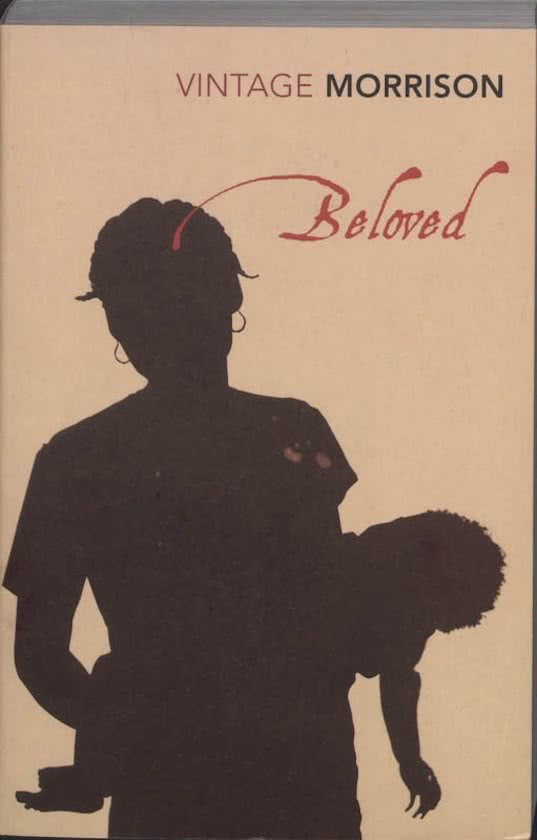
“Beloved” was inspired by the true story of a woman called Margaret Garner,
who escaped slavery in 1856, only to be hunted down by slave catchers. She
killed her small daughter with a knife, rather than have her raised as a slave.
Shocking and tragic, this act should be seen as an indictment against the horrors
she knew awaited her girl child, rather than as a moral judgement against
Garner.
The book plunges us into the legacy of slavery through the lives of people who
had been enslaved and were now living during the period known as
Reconstruction (1863-77).
Fragmented and repressed memories creep into the minds of the characters so
that the past is constantly contaminating the present. The novel demonstrates
that it’s only when the past is confronted that these characters can begin to
release its shackles and move forwards.
Morrison employed a narrative style that subtly echoed the cadences, syntax and
orality of her own culture, and slipping into the vernacular of her characters
when appropriate.
The Fugitive Slave Act of 1850
The Fugitive Slave Act of 1850 was a U.S. law that required citizens to assist in
the capture of runaway slaves and imposed harsh penalties on those who aided
their escape. It strengthened the earlier Fugitive Slave Act of 1793 by mandating
federal officials to capture and return escaped slaves, denying fugitives the right
3
, to a jury trial, and increasing tensions between Northern abolitionists and
Southern slaveholders, contributing to the Civil War.
The Reconstruction Era
The novel takes place in Post-Civil War America, a time when formerly enslaved
people were struggling to integrate into a society that still harboured deep racial
prejudices. This setting highlights the lingering trauma of slavery, as characters
like Sethe and Paul D grapple with their past while attempting to build new lives
in supposed freedom.
Literary Context
Black female writers
The literary movement of the 1920s, known as the Harlem Renaissance, had
several female protagonists, who were heralds of the advent of the black
feminist heroine to American literature. In the 1970s the Women’s Rights
Movement and the Black Rights Movement intersected, and black women began
to write about their experiences with a strong sense of autobiography and of
female history.
The New Testament passage cited at the beginning of the novel
“I will call them my people, which were not my people and her beloved, which
was not beloved.”
“By citing a New Testament passage that echoes a passage from the Old
Testament, the author not only problematizes the nature of the relation between
the past and the present but also thematizes the importance of historical
reclamation and repossession. As Jehovah reclaimed the Israelites after their
apostasy (figured in Hosea as spiritual adultery), so Morrison seeks to repossess
the African and slave ancestors after their historic violation (figured in Beloved as
physical rape).”- Mae G. Henderson.
“Morrison reinscribes the tension between Old Testament law and New Testament
spirit. Significantly, it is the epistles of Paul (Romans and Galatians, in particular)
that announce that the doctrine of justification by deeds under the Old
Dispensation of the Law is revised through justification by grace under the New
Dispensation of the Spirit. Engaging the Scriptures as a kind of intertext,
Morrison enacts in her novel an opposition between the law and the spirit,
redeeming her characters from the "curse of the law" as figured in the master's
discourse. In her rewriting of Scripture, Morrison ushers in an ironic new
dispensation figured not by the law of the (white) Father but by the spirit of the
(black and female) child, Beloved. Thus, Morrison challenges the hegemonic
status of the (primarily male) slave narratives as well as the "canonical" history
embodied in the master('s) narratives in a project that holds both more
accountable to the "disremembered and unaccounted for."”- Mae G. Henderson.
Elizabeth E. House sees significance in the preface to the novel. She argues that
this hints that Sethe and Denver are wrong to see Beloved as Sethe’s murdered
4
Contents
Historical Context............................................................................................3
The Fugitive Slave Act of 1850........................................................................... 3
The Reconstruction Era....................................................................................... 4
Literary Context...............................................................................................4
Black female writers........................................................................................... 4
The New Testament passage cited at the beginning of the novel.......................4
Camille Billops's The Harlem Book of the Dead..................................................5
Ralph Ellison's Invisible Man............................................................................... 5
William Wells Brown's Clotelle and Zora Neale Hurston's Moses, Man of the
Mountain............................................................................................................. 5
Zora Neale Hurston’s Their Eyes Were Watching God........................................5
Sherley Anne Williams’ Dessa Rose....................................................................5
Setting.............................................................................................................6
Ohio as a borderland between slavery and freedom..........................................6
The house........................................................................................................... 6
Author Biography............................................................................................6
Characters.......................................................................................................7
Sethe.................................................................................................................. 7
Denver................................................................................................................ 7
Beloved............................................................................................................... 7
Paul D................................................................................................................. 8
Baby Suggs......................................................................................................... 9
Plot Summary...............................................................................................10
Themes.........................................................................................................10
Slavery.............................................................................................................. 10
Motherhood...................................................................................................... 11
Storytelling, memory and the past...................................................................11
Community....................................................................................................... 12
Home................................................................................................................ 13
Guilt.................................................................................................................. 13
Loss of identity................................................................................................. 13
Love.................................................................................................................. 14
1
, The powers and limits of language...................................................................14
Symbols.........................................................................................................15
Water................................................................................................................ 15
The Ohio River.................................................................................................. 16
Sethe’s Scar...................................................................................................... 17
Paul D’s Tobacco Tin......................................................................................... 17
Colours............................................................................................................. 17
The Colour Red................................................................................................ 18
Trees................................................................................................................. 18
Eating and hunger............................................................................................ 18
Motifs...........................................................................................................19
The Supernatural.............................................................................................. 19
Allusions to Christianity.................................................................................... 19
Milk................................................................................................................... 19
Metal................................................................................................................. 20
Style..............................................................................................................20
Free indirect discourse...................................................................................... 20
Temporal narration............................................................................................ 20
Different perspectives...................................................................................... 20
Anonymous narrator......................................................................................... 22
Foreshadowing.................................................................................................. 22
Multi-Accentuality............................................................................................. 23
Economic exchange and debt...........................................................................23
Animal imagery................................................................................................ 25
Naming............................................................................................................. 25
Tone..............................................................................................................25
Desire as the language through which memory speaks...................................26
Genre............................................................................................................26
Historical Fiction............................................................................................... 26
Ghost Story....................................................................................................... 27
Modernism........................................................................................................ 27
Disintegration.............................................................................27
Postmodernism................................................................................................. 28
The relativity of historical discourse.............................................29
Extra reading.................................................................................................29
2
, Slavery.............................................................................................................. 29
Jazz Aesthetic................................................................................................... 30
Call and Response Structure............................................................................. 31
Feminism.......................................................................................................... 31
Motherhood................................................................................31
Post-colonial..................................................................................................... 33
Psychoanalysis.................................................................................................. 35
Lacanian interpretation of Sethe, Beloved and Denver..................35
Colours......................................................................................37
The pre-Oedipal discourse..........................................................39
Modernism........................................................................................................ 41
Postmodernism................................................................................................. 41
Revisionist historiography...........................................................41
Magical realism................................................................................................. 42
Denver.............................................................................................................. 42
Beloved............................................................................................................. 43
Historical Context
“Beloved” was inspired by the true story of a woman called Margaret Garner,
who escaped slavery in 1856, only to be hunted down by slave catchers. She
killed her small daughter with a knife, rather than have her raised as a slave.
Shocking and tragic, this act should be seen as an indictment against the horrors
she knew awaited her girl child, rather than as a moral judgement against
Garner.
The book plunges us into the legacy of slavery through the lives of people who
had been enslaved and were now living during the period known as
Reconstruction (1863-77).
Fragmented and repressed memories creep into the minds of the characters so
that the past is constantly contaminating the present. The novel demonstrates
that it’s only when the past is confronted that these characters can begin to
release its shackles and move forwards.
Morrison employed a narrative style that subtly echoed the cadences, syntax and
orality of her own culture, and slipping into the vernacular of her characters
when appropriate.
The Fugitive Slave Act of 1850
The Fugitive Slave Act of 1850 was a U.S. law that required citizens to assist in
the capture of runaway slaves and imposed harsh penalties on those who aided
their escape. It strengthened the earlier Fugitive Slave Act of 1793 by mandating
federal officials to capture and return escaped slaves, denying fugitives the right
3
, to a jury trial, and increasing tensions between Northern abolitionists and
Southern slaveholders, contributing to the Civil War.
The Reconstruction Era
The novel takes place in Post-Civil War America, a time when formerly enslaved
people were struggling to integrate into a society that still harboured deep racial
prejudices. This setting highlights the lingering trauma of slavery, as characters
like Sethe and Paul D grapple with their past while attempting to build new lives
in supposed freedom.
Literary Context
Black female writers
The literary movement of the 1920s, known as the Harlem Renaissance, had
several female protagonists, who were heralds of the advent of the black
feminist heroine to American literature. In the 1970s the Women’s Rights
Movement and the Black Rights Movement intersected, and black women began
to write about their experiences with a strong sense of autobiography and of
female history.
The New Testament passage cited at the beginning of the novel
“I will call them my people, which were not my people and her beloved, which
was not beloved.”
“By citing a New Testament passage that echoes a passage from the Old
Testament, the author not only problematizes the nature of the relation between
the past and the present but also thematizes the importance of historical
reclamation and repossession. As Jehovah reclaimed the Israelites after their
apostasy (figured in Hosea as spiritual adultery), so Morrison seeks to repossess
the African and slave ancestors after their historic violation (figured in Beloved as
physical rape).”- Mae G. Henderson.
“Morrison reinscribes the tension between Old Testament law and New Testament
spirit. Significantly, it is the epistles of Paul (Romans and Galatians, in particular)
that announce that the doctrine of justification by deeds under the Old
Dispensation of the Law is revised through justification by grace under the New
Dispensation of the Spirit. Engaging the Scriptures as a kind of intertext,
Morrison enacts in her novel an opposition between the law and the spirit,
redeeming her characters from the "curse of the law" as figured in the master's
discourse. In her rewriting of Scripture, Morrison ushers in an ironic new
dispensation figured not by the law of the (white) Father but by the spirit of the
(black and female) child, Beloved. Thus, Morrison challenges the hegemonic
status of the (primarily male) slave narratives as well as the "canonical" history
embodied in the master('s) narratives in a project that holds both more
accountable to the "disremembered and unaccounted for."”- Mae G. Henderson.
Elizabeth E. House sees significance in the preface to the novel. She argues that
this hints that Sethe and Denver are wrong to see Beloved as Sethe’s murdered
4