

• Wrong document? Swap it for free
  • Written by students who passed
  • Immediately available after payment
  • Read online or as PDF
Sell
Where do you study
Your language
Document preview thumbnail
Preview 4 out of 360 pages
Exam (elaborations)

Test Bank for Experience Human Development 2026 Release ISE By Diane E. Papalia and Gabriela Martorell, Comprehensive Examination Practice Graded A.pdf

Document preview thumbnail
Preview 4 out of 360 pages

Prepare for examinations in human development with a comprehensive study resource based on Experience Human Development by Diane E. Papalia and Gabriela Martorell. This resource is designed to help students review the major theories, research findings, developmental processes, and practical applications involved in understanding human growth and change throughout the lifespan. Human development examines how people change physically, cognitively, emotionally, and socially from conception through infancy, childhood, adolescence, adulthood, and late life. This study resource supports structured revision of these interconnected areas while helping learners strengthen conceptual understanding, evaluate developmental perspectives, and prepare for course assessments. From prenatal development and genetic influences to language acquisition, identity formation, relationships, aging, and end-of-life issues, the material provides a broad framework for reviewing the central themes of developmental psychology. Comprehensive Chapter-by-Chapter Coverage PART ONE: GETTING STARTED Chapter 1: The Study of Human Development Meaning, scope, and major goals of human development. Domains of development: physical, cognitive, and psychosocial. Lifespan development and the importance of studying change over time. Major developmental periods and age-related transitions. Influences of heredity, environment, maturation, and experience. Theoretical perspectives on development. Developmental research methods and ethical considerations. Longitudinal, cross-sectional, and sequential research designs. Chapter 2: Theory and Research Major theories used to explain human development. Psychoanalytic and psychosocial perspectives. Learning theories, including behaviorism and social learning. Cognitive-developmental approaches. Evolutionary, contextual, and systems perspectives. Research questions, hypotheses, variables, and research design. Observation, interviews, surveys, experiments, and correlational studies. Evaluating evidence, research limitations, and ethical protection of participants. PART TWO: BEGINNINGS Chapter 3: Forming a New Life Conception and the process of fertilization. Genetic inheritance and chromosomes. Genes, dominant and recessive traits, and genetic variation. Patterns of genetic transmission. Genetic and chromosomal abnormalities. Reproductive choices and assisted reproductive technologies. Infertility and factors influencing conception. Environmental and biological influences on early development. Chapter 4: Prenatal Development Germinal, embryonic, and fetal stages. Development of major organs and body systems. Placental function and maternal-fetal interaction. Genetic and environmental influences before birth. Teratogens and other prenatal risk factors. Maternal health, nutrition, stress, and substance exposure. Prenatal screening and diagnostic testing. Prenatal care and factors associated with healthy development. Chapter 5: Birth and the Newborn Baby The stages and process of childbirth. Medical approaches to delivery and childbirth support. Premature birth, low birth weight, and associated risks. Newborn assessment and indicators of physical condition. Neonatal reflexes and early sensory abilities. Newborn sleep, feeding, and physiological adjustment. Bonding and early parent-infant interaction. Newborn health, survival, and early intervention. PART THREE: INFANCY AND TODDLERHOOD Chapter 6: Physical Development During the First Three Years Growth patterns and physical maturation. Brain development and neurological changes. Motor development, including reaching, grasping, sitting, and walking. Sensory and perceptual development. Sleep, nutrition, feeding, and health. Early development of movement and coordination. Environmental influences on physical development. Safety, caregiving, and developmental support. Chapter 7: Cognitive Development During the First Three Years Piaget's theory of sensorimotor development. Cognitive growth and early problem-solving. Object permanence and mental representation. Information processing, attention, and memory. Early learning and imitation. Development of communication and symbolic thought. Language acquisition and early vocabulary. Influences of caregivers and the environment on cognitive growth. Chapter 8: Psychosocial Development During the First Three Years Development of emotions and emotional regulation. Temperament and individual differences. Attachment and early caregiver relationships. Trust, autonomy, and emerging independence. Social interaction and early self-awareness. The development of the self and early personality. Parenting styles and caregiving environments. Family relationships and the influence of social and cultural contexts. PART FOUR: EARLY CHILDHOOD Chapter 9: Physical and Cognitive Development in Early Childhood Physical growth and changes in body proportions. Brain maturation and development of motor skills. Health, nutrition, sleep, and common childhood concerns. Preoperational thought and symbolic representation. Language development and vocabulary expansion. Memory, attention, and executive function. Early learning, reasoning, and problem-solving. Preschool education and influences on cognitive development. Chapter 10: Psychosocial Development in Early Childhood Development of self-concept and self-esteem. Emotional understanding and self-regulation. Erikson's initiative-versus-guilt stage. Gender development and socialization. Play, friendships, and social competence. Parenting practices and family relationships. Aggression, fears, and behavioral adjustment. The influence of culture and environment on social development. PART FIVE: MIDDLE CHILDHOOD Chapter 11: Physical and Cognitive Development in Middle Childhood Physical growth and motor development. Brain development and improvements in coordination. Health, nutrition, physical activity, and childhood obesity. Piaget's concrete operational stage. Logical reasoning, classification, and conservation. Memory strategies, attention, and information processing. Intelligence, academic achievement, and individual differences. Language development, literacy, and school performance. Learning environments and educational influences. Chapter 12: Psychosocial Development in Middle Childhood Self-concept, self-esteem, and emotional development. Erikson's industry-versus-inferiority stage. Peer relationships, friendships, and social acceptance. Family structure and parent-child relationships. School influences and teacher relationships. Moral development and understanding of rules. Bullying, aggression, and social adjustment. Cultural, socioeconomic, and environmental influences on development. PART SIX: ADOLESCENCE Chapter 13: Physical and Cognitive Development in Adolescence Puberty and hormonal changes. Physical growth and sexual maturation. Adolescent brain development. Sleep, nutrition, health, and risk-taking behavior. Piaget's formal operational thought. Abstract reasoning, hypothetical thinking, and decision-making. Information processing and metacognition. Academic performance and educational transitions. Adolescent health risks and protective factors. Chapter 14: Psychosocial Development in Adolescence Identity formation and Erikson's identity-versus-role-confusion stage. Self-concept, self-esteem, and personal values. Autonomy and relationships with parents. Peer pressure, friendships, and social belonging. Romantic relationships and sexuality. Moral reasoning and values development. Risk-taking, substance use, and behavioral concerns. Cultural identity, social context, and the transition to adulthood. PART SEVEN: YOUNG ADULTHOOD Chapter 15: Physical and Cognitive Development in Young Adulthood Physical health, strength, and changes in functioning. Health behaviors, nutrition, exercise, and sleep. Sexual and reproductive health. Cognitive development and postformal thought. Education, vocational development, and career choices. Work, financial independence, and adult responsibilities. Lifestyle influences and long-term health patterns. Individual differences in adult cognitive performance. Chapter 16: Psychosocial Development in Young Adulthood Identity, intimacy, and Erikson's intimacy-versus-isolation stage. Establishing close relationships and friendships. Love, partnership, marriage, and cohabitation. Singlehood and diverse adult lifestyles. Family formation and parenting decisions. Career development and work-life balance. Personality development and adult transitions. Cultural and socioeconomic influences on relationships and independence. PART EIGHT: MIDDLE ADULTHOOD Chapter 17: Physical and Cognitive Development in Middle Adulthood Physical changes associated with midlife. Sensory changes and health considerations. Menopause, reproductive changes, and sexuality. Chronic disease prevention and health maintenance. Cognitive abilities, expertise, and accumulated knowledge. Fluid and crystallized intelligence. Memory and information-processing changes. Work, creativity, and intellectual productivity. Lifestyle, occupational, and environmental influences. Chapter 18: Psychosocial Development in Middle Adulthood Midlife transitions and reassessment of life goals. Erikson's generativity-versus-stagnation stage. Personality development and life satisfaction. Family relationships and changing parental roles. Relationships with adult children and aging parents. Marriage, partnership, and relationship adjustment. Career development, work satisfaction, and retirement planning. Stress, coping, resilience, and psychological well-being. PART NINE: LATE ADULTHOOD Chapter 19: Physical and Cognitive Development in Late Adulthood Normal aging and individual differences in health. Sensory changes, mobility, and physical functioning. Chronic conditions and health maintenance. Cognitive aging, memory, and processing speed. Intelligence and continued learning in later life. Dementia and other age-related cognitive disorders. Mental health, social engagement, and cognitive activity. Factors supporting independence and quality of life. Chapter 20: Psychosocial Development in Late Adulthood Erikson's integrity-versus-despair stage. Life review, meaning, and personal satisfaction. Retirement, income, and changing social roles. Relationships, friendships, and social support. Family connections and intergenerational relationships. Living arrangements and independent living. Bereavement, coping, and adaptation to loss. Resilience, well-being, and successful aging. PART TEN: THE END OF LIFE Chapter 21: Death, Dying, and Bereavement Cultural and personal attitudes toward death. Developmental understanding of death. End-of-life care and palliative care concepts. Grief, bereavement, and adjustment to loss. Family support and communication around dying. Ethical and social issues in end-of-life decisions. Coping with mortality and finding meaning. Support for individuals and families experiencing loss. Note: The chapter headings and topic groupings above are a structured study guide to the major subject areas associated with lifespan human development. Confirm the exact chapter titles and sequence against your copy of the specified 2026 Release ISE before relying on them as an exact table of contents. Key Topics Covered at a Glance This comprehensive review spans the central subject areas of human development: Developmental theories and research: Lifespan perspectives, developmental frameworks, research designs, and ethical principles. Heredity and prenatal development: Genetics, conception, prenatal stages, birth, newborn assessment, and environmental influences. Infancy and toddlerhood: Physical maturation, cognitive development, language acquisition, attachment, emotions, and early social relationships. Early childhood: Motor development, symbolic thought, language, play, self-concept, parenting, and emotional regulation. Middle childhood: Logical reasoning, memory, intelligence, school achievement, peer relationships, and social development. Adolescence: Puberty, abstract thinking, identity formation, peer influence, autonomy, sexuality, and risk-taking. Young adulthood: Health, cognition, relationships, intimacy, education, career choices, and family formation. Middle adulthood: Physical changes, cognitive abilities, personality, generativity, work, family responsibilities, and midlife transitions. Late adulthood: Aging, cognition, health, retirement, relationships, independence, and psychological well-being. Death and bereavement: End-of-life issues, grief, cultural perspectives, coping, and family support.

Content preview

,CHAPTER 1: The Study of Human Development

PART I: MULTIPLE CHOICE (Questions 1–50)

Question 1: What is human development?
A) The scientific study of the processes of change and stability throughout the human life span
B) The study of childhood only
C) The study of physical growth only
D) The study of aging only
ANS: A
Rationale: Human development is the scientific study of the processes of change and stability
throughout the human life span .

Question 2: What is the life-span development approach?
A) The concept of human development as a lifelong process, which can be studied scientifically
B) The concept that development stops at adulthood
C) The concept that development is only biological
D) The concept that development is only environmental
ANS: A
Rationale: The life-span development approach is based on the idea that every portion of the life span is
influenced by earlier events and will in turn affect later events .

Question 3: Which of the following is NOT one of Baltes's seven principles of the life-span
developmental approach?
A) Development is lifelong
B) Development is multidimensional
C) Development is multidirectional
D) Development stops at age 65
ANS: D
Rationale: Baltes's principles include that development is lifelong, multidimensional, multidirectional,
and shows plasticity; it does not stop at any age .

Question 4: What is physical development?
A) The growth of body and brain, including patterns of change in sensory capacity, motor skills, and
health
B) The pattern of change in mental abilities
C) The pattern of change in emotions, personality, and social relationships
D) The pattern of change in language only
ANS: A
Rationale: Physical development is the growth of body and brain, including patterns of change in
sensory capacity, motor skills, and health .

Question 5: What is cognitive development?
A) The pattern of change in mental abilities, such as learning, attention, memory, language, thinking,
reasoning, and creativity

,B) The growth of body and brain
C) The pattern of change in emotions and social relationships
D) The pattern of change in motor skills only
ANS: A
Rationale: Cognitive development is the pattern of change in mental abilities, such as learning,
attention, memory, language, thinking, reasoning, and creativity .

Question 6: What is psychosocial development?
A) The pattern of change in emotions, personality, and social relationships
B) The growth of body and brain
C) The pattern of change in mental abilities
D) The pattern of change in motor skills only
ANS: A
Rationale: Psychosocial development is the pattern of change in emotions, personality, and social
relationships .

Question 7: Which of the following is a social construction?
A) The division of the life span into periods
B) The process of conception
C) The process of physical growth
D) The process of aging
ANS: A
Rationale: The division of the life span into periods is a social construction; there is no objectively
definable moment when a child becomes an adult or a young person becomes old .

Question 8: According to the textbook, how many periods of human development are generally
accepted in Western society?
A) Eight
B) Six
C) Ten
D) Twelve
ANS: A
Rationale: Eight developmental periods are generally accepted in Western society: prenatal,
infancy/toddlerhood, early childhood, middle childhood, adolescence, emerging/young adulthood,
middle adulthood, and late adulthood .

Question 9: What is the prenatal period?
A) Conception to birth
B) Birth to age 3
C) Ages 3 to 6
D) Ages 6 to 11
ANS: A
Rationale: The prenatal period is from conception to birth .

Question 10: What is the infancy and toddlerhood period?
A) Birth to age 3
B) Conception to birth

, C) Ages 3 to 6
D) Ages 6 to 11
ANS: A
Rationale: Infancy and toddlerhood is from birth to age 3 .

Question 11: What is the early childhood period?
A) Ages 3 to 6
B) Birth to age 3
C) Ages 6 to 11
D) Ages 11 to 20
ANS: A
Rationale: Early childhood is ages 3 to 6 .

Question 12: What is the middle childhood period?
A) Ages 6 to 11
B) Ages 3 to 6
C) Ages 11 to 20
D) Ages 20 to 40
ANS: A
Rationale: Middle childhood is ages 6 to 11 .

Question 13: What is the adolescence period?
A) Ages 11 to 20
B) Ages 6 to 11
C) Ages 20 to 40
D) Ages 40 to 65
ANS: A
Rationale: Adolescence is ages 11 to 20 .

Question 14: What is the emerging and young adulthood period?
A) Ages 20 to 40
B) Ages 11 to 20
C) Ages 40 to 65
D) Ages 65 and up
ANS: A
Rationale: Emerging and young adulthood is ages 20 to 40 .

Question 15: What is the middle adulthood period?
A) Ages 40 to 65
B) Ages 20 to 40
C) Ages 65 and up
D) Ages 11 to 20
ANS: A
Rationale: Middle adulthood is ages 40 to 65 .

Question 16: What is the late adulthood period?
A) Ages 65 and up
Connected book
 image
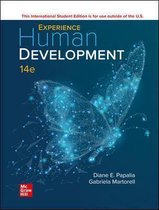
Diane Papalia, Gabriela Martorell ISE Experience Human Development
Publisher: Unknown ISBN: 9781260570878 Edition: 14

Document information

Uploaded on
October 11, 2026
Number of pages
360
Written in
2026/2027
Type
Exam (elaborations)
Contains
Questions & answers
$21.99

Wrong document? Swap it for free Within 14 days of purchase and before downloading, you can choose a different document. You can simply spend the amount again.
Written by students who passed
Immediately available after payment
Read online or as PDF

Seller avatar
Reputation scores are based on the amount of documents a seller has sold for a fee and the reviews they have received for those documents. There are three levels: Bronze, Silver and Gold. The better the reputation, the more your can rely on the quality of the sellers work.
examsolutions1
4.4
(26)
Sold
120
Followers
78
Items
697
Last sold
18 hours ago


Why students choose Stuvia

Created by fellow students, verified by reviews

Quality you can trust: written by students who passed their exams and reviewed by others who've used these revision notes.

Didn't get what you expected? Choose another document

No problem! You can straightaway pick a different document that better suits what you're after.

Pay as you like, start learning straight away

No subscription, no commitments. Pay the way you're used to via credit card and download your PDF document instantly.

Student with book image

“Bought, downloaded, and smashed it. It really can be that simple.”

Alisha Student

Working on your references?

Create accurate citations in APA, MLA and Harvard with our free citation generator.

Working on your references?

Frequently asked questions

