
lOMoARcPSD|44532475
????????????????????????????>>>>>>>>>>>>>>>>>>>>>>>>>>>>>><<<<<<<<<<<<<<<<<<<<<<<<<<<<>>>>>>>>>>>>>>>>>>>>>>>>>>>>>>>>>>>>>>>""
6, 7:44:17BIOL
AM//////////////////////////////////////////////////////////////?????????????????????????????????????????????????????????????>>>>>>>>>>>>>>>>>>>>>>>>>>>>>><<<<
252 Final Study Guide Resource Answer Key_removed - converted.pdf9/28/2026, 7:44:17 AM//////////////////////////////////////////////////////////////?????????????????????
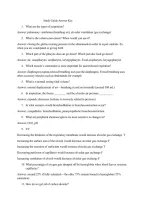
Study Guide Answer Key
1. What are the types of respiration?
Answer: pulmonary ventilation (breathing air), alveolar ventilation (gas exchange)
2. What is the valsava movement? When would you use it?
Answer: closing the glottis creating pressure in the admoninals in order to expel contents. Ex.
when you are constipated or giving birth
3. Which part of the pharynx does air go down? Which part doe food go down?
Answer: air- nasopharynx, oropharynx, laryngopharynx. Food-oropharynx, laryngopharynx
4. Which muscle’s contraction is most important for quiet/relaxed expiration?
Answer: diaphragm (eupnea-relaxed breathing uses just the diaphragm). Forced breathing uses
other accessory muscles such as abdominals for example
5. What is a normal resting tidal volume?
Answer: normal displacement of air—breathing in and out normally (around 500 mL)
6. In inspiration, the thorax ________ and the alveolar air pressure _________.
Answer: expands; decreases (volume is inversely related to pressure)
7. In what scenario would bronchodilation or bronchoconstriction occur?
Answer: sympathetic- bronchodilation, parasympathetic bronchoconstriction
8. What are peripheral chemoreceptors are most sensitive to changes in?
Answer: CO2, pH
9. T/F
Decreasing the thickness of the respiratory membrane would increase alveolar gas exchange. T
Increasing the surface area of the alveoli would decrease alveolar gas exchange F
Increasing the secretion of surfactant would increase alveolar gas exchange T
Decreasing perfusion of capillaries would increase alveolar gas exchange F
Increasing ventilation of alveoli would decrease alveolar gas exchange F
10. What percentage of oxygen gets dropped off by hemoglobin when blood leaves systemic
capillaries?
Answer: around 25% if fully saturated--- the other 75% remain bound to hemoglobin (75%
saturation)
11. How do we get rid of carbon dioxide?
Answer
????????????????????????????>>>>>>>>>>>>>>>>>>>>>>>>>>>>>><<<<<<<<<<<<<<<<<<<<<<<<<<<<>>>>>>>>>>>>>>>>>>>>>>>>>>>>>>>>>>>>>>>""
Key_removed
BIOL 252 Final
- converted.pdf9/28/2026,
Study Guide Resource Answer
7:44:17 Key_removed
Downloaded AM//////////////////////////////////////////////////////////////????????????????????????????????????????????????????????????
by madiba South - converted.pdf9/28/2026, 7:44:17 AM//////////////////////////////////////////////////////////////?????????????????????
Africa stuvia ()
, lOMoARcPSD|44532475
????????????????????????????>>>>>>>>>>>>>>>>>>>>>>>>>>>>>><<<<<<<<<<<<<<<<<<<<<<<<<<<<>>>>>>>>>>>>>>>>>>>>>>>>>>>>>>>>>>>>>>>""
6, 7:44:17BIOL
AM//////////////////////////////////////////////////////////////?????????????????????????????????????????????????????????????>>>>>>>>>>>>>>>>>>>>>>>>>>>>>><<<<
252 Final Study Guide Resource Answer Key_removed - converted.pdf9/28/2026, 7:44:17 AM//////////////////////////////////////////////////////////////?????????????????????
Answer: carbon dioxide is converted to HCO3- by the enzyme carbonic anyhydrase which is
found in red blood cells (look at chloride shift equation)
12. The layers of the GI tract include Mucusoa, Submuscoas, Muscularis Externa, Serosa etc.
Which layer(s) would be the most developed in the stomach and why?
Answer: muscularis externa—a lot of muscle contractions and motility for churning and
submucosa--- a lot of stomach secretions
13. Which of those above layers would you expect to be most developed in the small
intenstine and why?
Answer: muscosa—a lot of absorption
14. What is one way you can determine age from teeth and why?
Answer: the pulp cavity has decreased in size because the odontoblasts that make dentin continue
to grow below the enamel which can no longer grow
15. What are the components of saliva?
Answer: mucus (glycoprotein and water)- lubricates, electrolytes (including bicarbonate: buffer
against HCL keeping teeth from eroding, Lysozyme- kills bacteria, immuniglobin- antibacterial
antibody, salivary amylase- starch digestion (chemical), lingual lipase- fat digestion (chemical)
16. What are the three salivary glands and when do they secrete saliva?
Answer: parotid gland, submandibular gland, sublingual gland--- secrete when food enters
mouth, if food does not enter mouth mucus membrane secrete saliva
17. How does the parasympathetic or sympathetic system affect saliva?
Answer: parasympathetic: serous cells make the saliva rich in enzymes (rest and DIGEST),
sympathetic: mucus cells make saliva thick and more mucus
18. What are the three phases of deglutition and which are involuntary?
Answer: oral phase- voluntary, pharyngeal phase (involuntary), esophageal phase (involuntary—
peristalsis)
19. What type of digest occurs in the stomach and which macronutrients are digested?
Answer: mechanical through churning and chemical through enzymes and acid, proteins and
some fats are the only macronutrients that are digested because the enzymes that break down
starch would be broken down by HCl; however HCl does activate lingual lipase once it is
swallowed to break down fats but not to a great extent.
20. What do the parietal cells secrete and what is the function of its secretion?
Answer: HCl—activates pepsinogen to form pepsin (active form) and to lesser extent lingual
lipase, breaks up connective tissue and plant cell wall to turn bolus to chime, converts FE3+ to
Answer
????????????????????????????>>>>>>>>>>>>>>>>>>>>>>>>>>>>>><<<<<<<<<<<<<<<<<<<<<<<<<<<<>>>>>>>>>>>>>>>>>>>>>>>>>>>>>>>>>>>>>>>""
Key_removed
BIOL 252 Final
- converted.pdf9/28/2026,
Study Guide Resource Answer
7:44:17 Key_removed
Downloaded AM//////////////////////////////////////////////////////////////????????????????????????????????????????????????????????????
by madiba South - converted.pdf9/28/2026, 7:44:17 AM//////////////////////////////////////////////////////////////?????????????????????
Africa stuvia ()
????????????????????????????>>>>>>>>>>>>>>>>>>>>>>>>>>>>>><<<<<<<<<<<<<<<<<<<<<<<<<<<<>>>>>>>>>>>>>>>>>>>>>>>>>>>>>>>>>>>>>>>""
6, 7:44:17BIOL
AM//////////////////////////////////////////////////////////////?????????????????????????????????????????????????????????????>>>>>>>>>>>>>>>>>>>>>>>>>>>>>><<<<
252 Final Study Guide Resource Answer Key_removed - converted.pdf9/28/2026, 7:44:17 AM//////////////////////////////////////////////////////////////?????????????????????
Study Guide Answer Key
1. What are the types of respiration?
Answer: pulmonary ventilation (breathing air), alveolar ventilation (gas exchange)
2. What is the valsava movement? When would you use it?
Answer: closing the glottis creating pressure in the admoninals in order to expel contents. Ex.
when you are constipated or giving birth
3. Which part of the pharynx does air go down? Which part doe food go down?
Answer: air- nasopharynx, oropharynx, laryngopharynx. Food-oropharynx, laryngopharynx
4. Which muscle’s contraction is most important for quiet/relaxed expiration?
Answer: diaphragm (eupnea-relaxed breathing uses just the diaphragm). Forced breathing uses
other accessory muscles such as abdominals for example
5. What is a normal resting tidal volume?
Answer: normal displacement of air—breathing in and out normally (around 500 mL)
6. In inspiration, the thorax ________ and the alveolar air pressure _________.
Answer: expands; decreases (volume is inversely related to pressure)
7. In what scenario would bronchodilation or bronchoconstriction occur?
Answer: sympathetic- bronchodilation, parasympathetic bronchoconstriction
8. What are peripheral chemoreceptors are most sensitive to changes in?
Answer: CO2, pH
9. T/F
Decreasing the thickness of the respiratory membrane would increase alveolar gas exchange. T
Increasing the surface area of the alveoli would decrease alveolar gas exchange F
Increasing the secretion of surfactant would increase alveolar gas exchange T
Decreasing perfusion of capillaries would increase alveolar gas exchange F
Increasing ventilation of alveoli would decrease alveolar gas exchange F
10. What percentage of oxygen gets dropped off by hemoglobin when blood leaves systemic
capillaries?
Answer: around 25% if fully saturated--- the other 75% remain bound to hemoglobin (75%
saturation)
11. How do we get rid of carbon dioxide?
Answer
????????????????????????????>>>>>>>>>>>>>>>>>>>>>>>>>>>>>><<<<<<<<<<<<<<<<<<<<<<<<<<<<>>>>>>>>>>>>>>>>>>>>>>>>>>>>>>>>>>>>>>>""
Key_removed
BIOL 252 Final
- converted.pdf9/28/2026,
Study Guide Resource Answer
7:44:17 Key_removed
Downloaded AM//////////////////////////////////////////////////////////////????????????????????????????????????????????????????????????
by madiba South - converted.pdf9/28/2026, 7:44:17 AM//////////////////////////////////////////////////////////////?????????????????????
Africa stuvia ()
, lOMoARcPSD|44532475
????????????????????????????>>>>>>>>>>>>>>>>>>>>>>>>>>>>>><<<<<<<<<<<<<<<<<<<<<<<<<<<<>>>>>>>>>>>>>>>>>>>>>>>>>>>>>>>>>>>>>>>""
6, 7:44:17BIOL
AM//////////////////////////////////////////////////////////////?????????????????????????????????????????????????????????????>>>>>>>>>>>>>>>>>>>>>>>>>>>>>><<<<
252 Final Study Guide Resource Answer Key_removed - converted.pdf9/28/2026, 7:44:17 AM//////////////////////////////////////////////////////////////?????????????????????
Answer: carbon dioxide is converted to HCO3- by the enzyme carbonic anyhydrase which is
found in red blood cells (look at chloride shift equation)
12. The layers of the GI tract include Mucusoa, Submuscoas, Muscularis Externa, Serosa etc.
Which layer(s) would be the most developed in the stomach and why?
Answer: muscularis externa—a lot of muscle contractions and motility for churning and
submucosa--- a lot of stomach secretions
13. Which of those above layers would you expect to be most developed in the small
intenstine and why?
Answer: muscosa—a lot of absorption
14. What is one way you can determine age from teeth and why?
Answer: the pulp cavity has decreased in size because the odontoblasts that make dentin continue
to grow below the enamel which can no longer grow
15. What are the components of saliva?
Answer: mucus (glycoprotein and water)- lubricates, electrolytes (including bicarbonate: buffer
against HCL keeping teeth from eroding, Lysozyme- kills bacteria, immuniglobin- antibacterial
antibody, salivary amylase- starch digestion (chemical), lingual lipase- fat digestion (chemical)
16. What are the three salivary glands and when do they secrete saliva?
Answer: parotid gland, submandibular gland, sublingual gland--- secrete when food enters
mouth, if food does not enter mouth mucus membrane secrete saliva
17. How does the parasympathetic or sympathetic system affect saliva?
Answer: parasympathetic: serous cells make the saliva rich in enzymes (rest and DIGEST),
sympathetic: mucus cells make saliva thick and more mucus
18. What are the three phases of deglutition and which are involuntary?
Answer: oral phase- voluntary, pharyngeal phase (involuntary), esophageal phase (involuntary—
peristalsis)
19. What type of digest occurs in the stomach and which macronutrients are digested?
Answer: mechanical through churning and chemical through enzymes and acid, proteins and
some fats are the only macronutrients that are digested because the enzymes that break down
starch would be broken down by HCl; however HCl does activate lingual lipase once it is
swallowed to break down fats but not to a great extent.
20. What do the parietal cells secrete and what is the function of its secretion?
Answer: HCl—activates pepsinogen to form pepsin (active form) and to lesser extent lingual
lipase, breaks up connective tissue and plant cell wall to turn bolus to chime, converts FE3+ to
Answer
????????????????????????????>>>>>>>>>>>>>>>>>>>>>>>>>>>>>><<<<<<<<<<<<<<<<<<<<<<<<<<<<>>>>>>>>>>>>>>>>>>>>>>>>>>>>>>>>>>>>>>>""
Key_removed
BIOL 252 Final
- converted.pdf9/28/2026,
Study Guide Resource Answer
7:44:17 Key_removed
Downloaded AM//////////////////////////////////////////////////////////////????????????????????????????????????????????????????????????
by madiba South - converted.pdf9/28/2026, 7:44:17 AM//////////////////////////////////////////////////////////////?????????????????????
Africa stuvia ()


