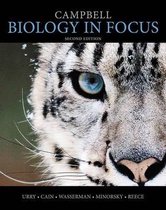
Campbell Biology in Focus (2nd Edition)
by Lisa A. Urry (Author), Michael L. Cain (Author), Steven A.
Wasserman (Author), & 2 more
2nd Edition
,TABLE OF CONTENTS
CHAPTER 1: Introduction: Evolution and the Foundations of Biology
UNIT 1: Chemistry and Cells
CHAPTER 2: The Chemical Context of Life
CHAPTER 3: Carbon and the Molecular Diversity of Life
CHAPTER 4: A Tour of the Cell
CHAPTER 5: Membrane Transport and Cell Signaling
CHAPTER 6: An Introduction to Metabolism
CHAPTER 7: Cellular Respiration and Fermentation
CHAPTER 8: Photosynthesis
CHAPTER 9: The Cell Cycle
UNIT 2: Genetics
CHAPTER 10: Meiosis and Sexual Life Cycles
CHAPTER 11: Mendel and the Gene Idea
CHAPTER 12: The Chromosomal Basis of Inheritance
CHAPTER 13: The Molecular Basis of Inheritance
CHAPTER 14: Gene Expression: From Gene to Protein
CHAPTER 15: Regulation of Gene Expression
CHAPTER 16: Development, Stem Cells, and Cancer
CHAPTER 17: Viruses
CHAPTER 18: Genomes and Their Evolution
UNIT 3: Evolution
CHAPTER 19: Descent with Modification
CHAPTER 20: Phylogeny
CHAPTER 21: The Evolution of Populations
CHAPTER 22: The Origin of Species
CHAPTER 23: Broad Patterns of Evolution
UNIT 4: The Evolutionary History of Life
CHAPTER 24: Early Life and the Diversification of Prokaryotes
,CHAPTER 25: The Origin and Diversification of Eukaryotes
CONCEPT 26.3: Early plants radiated into a diverse set of lineages
CHAPTER 27: The Rise of Animal Diversity
UNIT 5: Plant Form and Function
CHAPTER 28: Plant Structure and Growth
CHAPTER 29: Resource Acquisition, Nutrition, and Transport in Vascular Plants
CHAPTER 30: Reproduction and Domestication of Flowering Plants
CHAPTER 31: Plant Responses to Internal and External Signals
UNIT 6: Animal Form and Function
CHAPTER 32: The Internal Environment of Animals: Organization and Regula-tion
CHAPTER 33: Animal Nutrition
CHAPTER 34: Circulation and Gas Exchange
CHAPTER 35: The Immune System
CHAPTER 36: Reproduction and Development
CHAPTER 37: Neurons, Synapses, and Signaling
CHAPTER 38: Nervous and Sensory Systems
CHAPTER 39: Motor Mechanisms and Behavior
UNIT 7: Ecology
CHAPTER 40: Population Ecology and the Distribution of Organisms
CHAPTER 41: Species Interactions
CHAPTER 42: Ecosystems and Energy
CHAPTER 43: Global Ecology and Conservation Biology
, Test Bank: Campbell Biology in Focus, 2nd AP® Edition
Chapters 1–43
CHAPTER 1: Introduction: Evolution and the Foundations of
Biology
Multiple Choice
1. Which of the following is the correct sequence of biological organization from least to most complex?
A) Cell → tissue → organ → organ system → organism → population → community → ecosystem →
biosphere
B) Cell → organ → tissue → organ system → organism → population → community → ecosystem →
biosphere
C) Cell → tissue → organ → organism → organ system → population → community → ecosystem →
biosphere
D) Atom → molecule → organelle → cell → tissue → organ → organ system → organism → population
Answer: A
2. The main idea of Charles Darwin's theory of natural selection is that:
A) organisms that are the strongest survive and reproduce
B) organisms with traits best suited to their environment tend to leave more offspring
C) all organisms have an equal chance of survival
D) evolution occurs through sudden, dramatic mutations
Answer: B
3. Which of the following statements best distinguishes a hypothesis from a theory in science?
A) A hypothesis is a guess; a theory is a fact.
B) A hypothesis is testable; a theory is not.
C) A theory is broader in scope and supported by a large body of evidence; a hypothesis is a narrower,
testable explanation.
D) Theories and hypotheses are identical in scope and evidence.
Answer: C
by Lisa A. Urry (Author), Michael L. Cain (Author), Steven A.
Wasserman (Author), & 2 more
2nd Edition
,TABLE OF CONTENTS
CHAPTER 1: Introduction: Evolution and the Foundations of Biology
UNIT 1: Chemistry and Cells
CHAPTER 2: The Chemical Context of Life
CHAPTER 3: Carbon and the Molecular Diversity of Life
CHAPTER 4: A Tour of the Cell
CHAPTER 5: Membrane Transport and Cell Signaling
CHAPTER 6: An Introduction to Metabolism
CHAPTER 7: Cellular Respiration and Fermentation
CHAPTER 8: Photosynthesis
CHAPTER 9: The Cell Cycle
UNIT 2: Genetics
CHAPTER 10: Meiosis and Sexual Life Cycles
CHAPTER 11: Mendel and the Gene Idea
CHAPTER 12: The Chromosomal Basis of Inheritance
CHAPTER 13: The Molecular Basis of Inheritance
CHAPTER 14: Gene Expression: From Gene to Protein
CHAPTER 15: Regulation of Gene Expression
CHAPTER 16: Development, Stem Cells, and Cancer
CHAPTER 17: Viruses
CHAPTER 18: Genomes and Their Evolution
UNIT 3: Evolution
CHAPTER 19: Descent with Modification
CHAPTER 20: Phylogeny
CHAPTER 21: The Evolution of Populations
CHAPTER 22: The Origin of Species
CHAPTER 23: Broad Patterns of Evolution
UNIT 4: The Evolutionary History of Life
CHAPTER 24: Early Life and the Diversification of Prokaryotes
,CHAPTER 25: The Origin and Diversification of Eukaryotes
CONCEPT 26.3: Early plants radiated into a diverse set of lineages
CHAPTER 27: The Rise of Animal Diversity
UNIT 5: Plant Form and Function
CHAPTER 28: Plant Structure and Growth
CHAPTER 29: Resource Acquisition, Nutrition, and Transport in Vascular Plants
CHAPTER 30: Reproduction and Domestication of Flowering Plants
CHAPTER 31: Plant Responses to Internal and External Signals
UNIT 6: Animal Form and Function
CHAPTER 32: The Internal Environment of Animals: Organization and Regula-tion
CHAPTER 33: Animal Nutrition
CHAPTER 34: Circulation and Gas Exchange
CHAPTER 35: The Immune System
CHAPTER 36: Reproduction and Development
CHAPTER 37: Neurons, Synapses, and Signaling
CHAPTER 38: Nervous and Sensory Systems
CHAPTER 39: Motor Mechanisms and Behavior
UNIT 7: Ecology
CHAPTER 40: Population Ecology and the Distribution of Organisms
CHAPTER 41: Species Interactions
CHAPTER 42: Ecosystems and Energy
CHAPTER 43: Global Ecology and Conservation Biology
, Test Bank: Campbell Biology in Focus, 2nd AP® Edition
Chapters 1–43
CHAPTER 1: Introduction: Evolution and the Foundations of
Biology
Multiple Choice
1. Which of the following is the correct sequence of biological organization from least to most complex?
A) Cell → tissue → organ → organ system → organism → population → community → ecosystem →
biosphere
B) Cell → organ → tissue → organ system → organism → population → community → ecosystem →
biosphere
C) Cell → tissue → organ → organism → organ system → population → community → ecosystem →
biosphere
D) Atom → molecule → organelle → cell → tissue → organ → organ system → organism → population
Answer: A
2. The main idea of Charles Darwin's theory of natural selection is that:
A) organisms that are the strongest survive and reproduce
B) organisms with traits best suited to their environment tend to leave more offspring
C) all organisms have an equal chance of survival
D) evolution occurs through sudden, dramatic mutations
Answer: B
3. Which of the following statements best distinguishes a hypothesis from a theory in science?
A) A hypothesis is a guess; a theory is a fact.
B) A hypothesis is testable; a theory is not.
C) A theory is broader in scope and supported by a large body of evidence; a hypothesis is a narrower,
testable explanation.
D) Theories and hypotheses are identical in scope and evidence.
Answer: C