Human Fluid Dynamics & Circulation Guide Research by
Amina Hanif
Human Fluid Dynamics & Cardiovascular Circulation
A COMPREHENSIVE SCIENTIFIC MASTER GUIDE • RESEARCH BY AMINA HANIF
1. Fluid Identity & Location
Blood Plasma: The straw-colored liquid matrix sealed inside blood
vessels, carrying water, nutrients, and large plasma proteins.
Interstitial Fluid: Fluid filtered out of capillaries that bathes tissue cells Blood Vessel Tissue Space
directly, enabling nutrient and waste exchange. Plasma Interstitial Fluid
Lymph: The portion of interstitial fluid that drains into lymphatic
capillaries to be filtered and returned to the bloodstream.
Lymph Capillary
Lymph
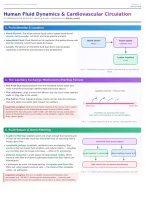
Fig. 1 — Plasma leaves vessels to become interstitial fluid; excess drains as
lymph.
2. The Capillary Exchange Mechanism (Starling Forces)
The Push Out: Blood pressure from the heartbeat forces water and
small nutrients out through capillary walls into tissue spaces.
Capillary (arterial → venous end)
The Leftovers: Large proteins like albumin are too big to cross capillary
walls, so they stay in the vessel.
The Pull In: These trapped proteins create osmotic (oncotic) pressure
that pulls water and waste back toward the capillary.
Arterial end Venous end
Important exception: Fluid does not simply reabsorb at the venous end in a clean
90/10 split. Research on the endothelial glycocalyx (Levick & Michel) shows
capillaries filter fluid along their entire length, with little true venous reabsorption —
Fluid filters out along the whole length;
nearly all filtered fluid returns to circulation via the lymphatic system rather than
most returns via lymphatics, not venous reabsorption
direct venous uptake.
Fig. 2 — Continuous filtration along the capillary, with lymphatic return.
3. Fluid Return & Germ Filtering
Capillary filtering: Capillary pores are small enough that bacteria and
viruses do not normally cross into interstitial fluid, so returning fluid is
largely germ-free. Interstitial Fluid (tissue space)
Lymphatic pickup: Lymphatic capillaries have overlapping "flap"
junctions that let excess fluid, proteins, and cellular debris — including
any microbes that do escape into tissue — drain in for processing.
Lymph capillary → lymph node Blood capillary (venous end)
Defense networks: Lymph passes through lymph nodes, where
immune cells filter and destroy pathogens before the fluid rejoins the
bloodstream.
If pathogens do enter the blood directly, the spleen and liver filter Both return fluid to venous bloodstream
them out using resident immune cells — the kidneys filter metabolic
waste, not pathogens.
Fig. 3 — Two return paths: filtered blood capillaries and lymph via nodes.
Important exception: There is no reliable measurement showing a fixed
percentage (e.g. "95–99%") of tissue germs entering lymph — treat any such
precise figure with caution; the qualitative picture above is what's well established.