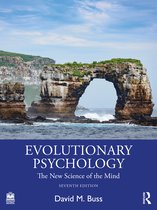
TEST BANK FOR EVOLUTIONARY
PSYCHOLOGY: THE NEW SCIENCE
OF THE MIND 7TH EDITION BY
DAVID M. BUSS ALL CHAPTERS
COVERED 1-13 WITH VERIFIED
QUESTIONS & CORRECT ANSWERS|
A+ GRADED
Test Bank For Evolutionary Psychology: The New Science of the Mind (7th Edition, David M. Buss)
Chapter 1: The Scientific Movements Leading to Evolutionary Psychology
1. Which of the following questions is NOT a focus of evolutionary psychology?
(a) Why is the mind designed the way that it is?
(b) How do the components of the mind interact with the environment?
(c) What is the relationship between the human mind and the Big Bang?
(d) What are the functions of the components of the human mind?
Correct Answer: (c) What is the relationship between the human mind and the Big Bang?
Rationale: Evolutionary psychology focuses on the design, function, and interaction of the mind with the
environment. The relationship between the human mind and the Big Bang is a cosmological question,
not a focus of evolutionary psychology.
2. Evolution refers to
(a) changes in gene frequency within a population over time
(b) differences between species
(c) changes over time in the shape of the human skull
(d) differences between men and women
Correct Answer: (a) changes in gene frequency within a population over time
Rationale: Evolution is defined as changes in gene frequency within a population over time, not merely
differences between species or changes in skull shape.
,3. Change in life forms over time was suggested
(a) first by Darwin
(b) well before Darwin's time
(c) well after Darwin's time
(d) first by George Williams
Correct Answer: (b) well before Darwin's time
Rationale: The idea of change in life forms over time predates Darwin; earlier thinkers and naturalists
had suggested it before Darwin formalized the theory of natural selection.
4. Which of the following arguments did Lamarck present?
(a) Species originate from microscopic algae.
(b) Species progress toward a lower form.
(c) acquisition of inherited characteristics.
(d) inheritance of acquired characteristics.
Correct Answer: (d) inheritance of acquired characteristics.
Rationale: Lamarck proposed the inheritance of acquired characteristics—that traits acquired during an
organism's lifetime could be passed to offspring. This is distinct from Darwin's theory of natural
selection.
5. According to Cuvier's theory of catastrophism, species are
(a) exterminated by sudden catastrophes and replaced by different species
(b) irradiated by sudden catastrophes, thereafter replacing other species
(c) exterminated by gradual elimination due to disease, leaving room for new species
(d) irradiated and extinguished, and replaced by the same species
Correct Answer: (a) exterminated by sudden catastrophes and replaced by different species
Rationale: Cuvier's catastrophism held that sudden catastrophes exterminated species, which were then
replaced by different species. This contrasted with gradual evolutionary change.
6. Which of the following clues to change in organic structure over time were not known or noted
prior to Darwin?
(a) cross-species structural similarities
(b) cross-species embryological similarities
,(c) apparent function of traits
(d) mechanism to explain change in organic structure over time
Correct Answer: (d) mechanism to explain change in organic structure over time
Rationale: While structural similarities, embryological similarities, and apparent function of traits were
noted before Darwin, the mechanism to explain change (natural selection) was not known prior to
Darwin.
7. Which of the following is NOT an example of genetic drift?
(a) natural selection
(b) founder effect
(c) genetic bottleneck
(d) mutation
Correct Answer: (a) natural selection
Rationale: Genetic drift refers to random changes in gene frequency due to chance events (founder
effect, genetic bottleneck, mutation). Natural selection is a non-random process and is not an example
of genetic drift.
8. Which of the following is NOT one of the three essential processes identified by Darwin's theory of
evolution by natural selection?
(a) variation
(b) particularion
(c) selection
(d) inheritance
Correct Answer: (b) particularion
Rationale: Darwin's three essential processes are variation, selection, and inheritance. "Particularion" is
not one of them.
9. ______ provides the "raw materials" for evolution.
(a) Variation
(b) Particulation
(c) Selection
(d) Inheritance
Correct Answer: (a) Variation
, Rationale: Variation provides the raw materials for evolution because natural selection acts on existing
variations within a population.
10. For evolution to work, successful variations must be ______, or passed down reliably from parent
to offspring.
(a) variated
(b) particulated
(c) selected
(d) inherited
Correct Answer: (d) inherited
Rationale: For evolution to occur, variations must be heritable—passed down reliably from parent to
offspring.
11. The process of ______ refers to the component of Darwin's theory of evolution that states that
organisms with some heritable attributes leave more offspring because those attributes help with the
tasks of survival and reproduction.
(a) variation
(b) particulation
(c) selection
(d) inheritance
Correct Answer: (c) selection
Rationale: Selection is the process by which organisms with advantageous heritable traits leave more
offspring, driving evolution.
12. In contrast to the theory of natural selection, which focused on adaptations that have arisen as a
consequence of successful survival, the theory of ______ focused on adaptations that have arisen as a
consequence of successful mating.
(a) sexual selection
(b) internal selection
(c) external selection
(d) social selection
Correct Answer: (a) sexual selection
Rationale: Sexual selection focuses on adaptations arising from successful mating, as opposed to natural
selection, which focuses on survival.
PSYCHOLOGY: THE NEW SCIENCE
OF THE MIND 7TH EDITION BY
DAVID M. BUSS ALL CHAPTERS
COVERED 1-13 WITH VERIFIED
QUESTIONS & CORRECT ANSWERS|
A+ GRADED
Test Bank For Evolutionary Psychology: The New Science of the Mind (7th Edition, David M. Buss)
Chapter 1: The Scientific Movements Leading to Evolutionary Psychology
1. Which of the following questions is NOT a focus of evolutionary psychology?
(a) Why is the mind designed the way that it is?
(b) How do the components of the mind interact with the environment?
(c) What is the relationship between the human mind and the Big Bang?
(d) What are the functions of the components of the human mind?
Correct Answer: (c) What is the relationship between the human mind and the Big Bang?
Rationale: Evolutionary psychology focuses on the design, function, and interaction of the mind with the
environment. The relationship between the human mind and the Big Bang is a cosmological question,
not a focus of evolutionary psychology.
2. Evolution refers to
(a) changes in gene frequency within a population over time
(b) differences between species
(c) changes over time in the shape of the human skull
(d) differences between men and women
Correct Answer: (a) changes in gene frequency within a population over time
Rationale: Evolution is defined as changes in gene frequency within a population over time, not merely
differences between species or changes in skull shape.
,3. Change in life forms over time was suggested
(a) first by Darwin
(b) well before Darwin's time
(c) well after Darwin's time
(d) first by George Williams
Correct Answer: (b) well before Darwin's time
Rationale: The idea of change in life forms over time predates Darwin; earlier thinkers and naturalists
had suggested it before Darwin formalized the theory of natural selection.
4. Which of the following arguments did Lamarck present?
(a) Species originate from microscopic algae.
(b) Species progress toward a lower form.
(c) acquisition of inherited characteristics.
(d) inheritance of acquired characteristics.
Correct Answer: (d) inheritance of acquired characteristics.
Rationale: Lamarck proposed the inheritance of acquired characteristics—that traits acquired during an
organism's lifetime could be passed to offspring. This is distinct from Darwin's theory of natural
selection.
5. According to Cuvier's theory of catastrophism, species are
(a) exterminated by sudden catastrophes and replaced by different species
(b) irradiated by sudden catastrophes, thereafter replacing other species
(c) exterminated by gradual elimination due to disease, leaving room for new species
(d) irradiated and extinguished, and replaced by the same species
Correct Answer: (a) exterminated by sudden catastrophes and replaced by different species
Rationale: Cuvier's catastrophism held that sudden catastrophes exterminated species, which were then
replaced by different species. This contrasted with gradual evolutionary change.
6. Which of the following clues to change in organic structure over time were not known or noted
prior to Darwin?
(a) cross-species structural similarities
(b) cross-species embryological similarities
,(c) apparent function of traits
(d) mechanism to explain change in organic structure over time
Correct Answer: (d) mechanism to explain change in organic structure over time
Rationale: While structural similarities, embryological similarities, and apparent function of traits were
noted before Darwin, the mechanism to explain change (natural selection) was not known prior to
Darwin.
7. Which of the following is NOT an example of genetic drift?
(a) natural selection
(b) founder effect
(c) genetic bottleneck
(d) mutation
Correct Answer: (a) natural selection
Rationale: Genetic drift refers to random changes in gene frequency due to chance events (founder
effect, genetic bottleneck, mutation). Natural selection is a non-random process and is not an example
of genetic drift.
8. Which of the following is NOT one of the three essential processes identified by Darwin's theory of
evolution by natural selection?
(a) variation
(b) particularion
(c) selection
(d) inheritance
Correct Answer: (b) particularion
Rationale: Darwin's three essential processes are variation, selection, and inheritance. "Particularion" is
not one of them.
9. ______ provides the "raw materials" for evolution.
(a) Variation
(b) Particulation
(c) Selection
(d) Inheritance
Correct Answer: (a) Variation
, Rationale: Variation provides the raw materials for evolution because natural selection acts on existing
variations within a population.
10. For evolution to work, successful variations must be ______, or passed down reliably from parent
to offspring.
(a) variated
(b) particulated
(c) selected
(d) inherited
Correct Answer: (d) inherited
Rationale: For evolution to occur, variations must be heritable—passed down reliably from parent to
offspring.
11. The process of ______ refers to the component of Darwin's theory of evolution that states that
organisms with some heritable attributes leave more offspring because those attributes help with the
tasks of survival and reproduction.
(a) variation
(b) particulation
(c) selection
(d) inheritance
Correct Answer: (c) selection
Rationale: Selection is the process by which organisms with advantageous heritable traits leave more
offspring, driving evolution.
12. In contrast to the theory of natural selection, which focused on adaptations that have arisen as a
consequence of successful survival, the theory of ______ focused on adaptations that have arisen as a
consequence of successful mating.
(a) sexual selection
(b) internal selection
(c) external selection
(d) social selection
Correct Answer: (a) sexual selection
Rationale: Sexual selection focuses on adaptations arising from successful mating, as opposed to natural
selection, which focuses on survival.