
!!!!!!!!!!!!!!!!!!!!!!~~~~~~~~~~~~~~~~~~~~~~~~~~~~~~~&&&&&&&&############################@@@@@@@@@@@@@@@@22/2026//2027
Chapter 2Chapter
Legal Foundations
2 Legal Foundations
of Correctional
of Correctional
ProbationProbation
Officers,!!!!!!!!!!!!!!!!!!!!!!!!!!!!!!!!!~~~~~~~~~~~~~~~~~~~~~~~~~~~~~~~&&&&&&&&#################
Officers,!!!!!!!!!!!!!!!!!!!!!!!!!!!!!!!!!~~~~~~~~~~~~~~~~~~~~~~~~~~~~~~~&&&&&&&&##########
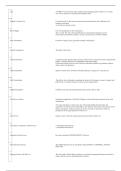
Law A FORM of social control and a method of encouraging people to behave in a certain
way. Serves to protect ownership and maintain order.
English Common Law Forms the basis for the American legal system and represents the codification of a
naturally developed
set of rules governing society.
Bill of Rights First 10 amendments to the Constitution.
The 1st, 2nd, 4th, 5th, 6, 8th Amendments are of particular importance to law
enforcement and probation officers, as they concern issues of officer liability.
First Amendment Freedom of speech, press, peaceful assembly, and religion.
Second Amendment The right to bear arms.
Forth Amendment It protects people against unfair searches of their homes; search and seizure and generally
require a warrant signed by an independent magistrate (judge).
Florida and Federal case laws have held the warrantless searches by probation officers
under certain circumstances.
Fifth Amendment Right to remain silent, freedom of double jeopardy, or property w/o due process
Sixth Amendment The right to have information regarding the nature of the charges, counsel, a speedy and
public trial; to confront witnesses; and to face an impartial jury.
Eighth Amendment Prohibits cruel and unusual punishment and excessive bail or fines.
Due Process Clause Expands the application of the Bill of Rights to state and local government in the 14th
Amendment.
"No state shall make or enforce any law which shall abridge the privileges and
immunities of citizens of the United States; nor shall any state deprive any person of life,
liberty, or property, without due process of law; nor deny to any person within its
jurisdiction of the equal protection of the laws."
Due Process Require states to provide equal treatment and protection of the laws.
Two Main Components of Due Process 1. Substantive Due Process
2. Procedural Due Process
Substantive Due Process Fair and consistent ENFORECEMENT of the law
Procedural Due Process The STEPS that protects an individual's rights DURING A CRIMINAL JUSTICE
PROCESS.
Keeping Current with the Law The rules under which officers operate are constantly changing based upon revisions in
statues and the case law interpreting those statues.
!!!!!!!!!!!!!!!!!!!!!!~~~~~~~~~~~~~~~~~~~~~~~~~~~~~~~&&&&&&&&############################@@@@@@@@@@@@@@@@22/2026//2027
Correctional
Chapter
Probation
2 LegalOfficers,!!!!!!!!!!!!!!!!!!!!!!!!!!!!!!!!!~~~~~~~~~~~~~~~~~~~~~~~~~~~~~~~&&&&&&&&############################@@@@@@@@@
Foundations of Correctional Probation Officers,!!!!!!!!!!!!!!!!!!!!!!!!!!!!!!!!!~~~~~~~~~~~~~~~~~~~~~~~~~~~~~~~&&&&&&&&##########
,!!!!!!!!!!!!!!!!!!!!!!~~~~~~~~~~~~~~~~~~~~~~~~~~~~~~~&&&&&&&&############################@@@@@@@@@@@@@@@@22/2026//2027
Chapter 2Chapter
Legal Foundations
2 Legal Foundations
of Correctional
of Correctional
ProbationProbation
Officers,!!!!!!!!!!!!!!!!!!!!!!!!!!!!!!!!!~~~~~~~~~~~~~~~~~~~~~~~~~~~~~~~&&&&&&&&#################
Officers,!!!!!!!!!!!!!!!!!!!!!!!!!!!!!!!!!~~~~~~~~~~~~~~~~~~~~~~~~~~~~~~~&&&&&&&&##########
Several Forms of Law that Governs the way we live 1. Statutory Law
2. Criminal Laws
3. Civil Laws
4. Administrative Laws (Regulatory Laws)
Statutory Law Written and enacted by congress, state legislatures, or local governing authorities, in
response to a perceived need. It includes Criminal, civil, and administrative law.
Criminal Laws Clearly describe the unacceptable behavior and set a punishment.
"Differs from civil law, where emphasis is on dispute resolution and victim compensation
rather than on punishment."
[ ANYTHING PUNISHABLE ]
Civil Laws Pertains to legal action a person takes to resolve a private dispute with another person.
[SUING SOMEONE]
Administrative Laws Sometimes called regulatory law, is the body of law that allows for the creation of public
regulatory agencies. It contains all the statutes, judicial decisions, and regulations that
govern
them.
[ POLICY, PROCEDURE, P.O'S ]
Ordinances Statutes enacted by a municipal (city) or county government. Local governments create
them to regulate matters of narrow application, such as curfews for minors, restrictions
on the hours for selling alcohol, or parking regulations.
Applied only within the jurisdiction of
the governmental entity that enacted them. Some violations are criminal while others are
civil infractions. These laws cannot conflict with state or federal law, including case law.
Case Law The decisions of the court system, the judicial branch.
Once an appellate court creates a rule, known as PRECEDENT, you are required to
follow that rule, unless a higher court changes the rule.
[BROWN VS. BOARD OF EDUCATION]
State of Florida What is Legal in Florida may not be legal in state and vice versa.
The state of Florida has its own state constitution that generally parallels the U.S.
Constitution. This
means that the Florida Constitution affords rights to Florida's residents that are at least at
the same
level as the rights they derive from the U.S. Constitution.
Constitutional Law DEFINES Our FORM OF REPRESENTATIVE GOVERNMENT and identifies the
powers and limitations of its three branches (executive, legislative, and judicial).
It CONSIST OF standards in the Constitution, and, in court decisions, interpretation of
the Constitution handed down by U.S. District
Courts and the Supreme Court.
The PURPOSE OF government is to secure and protect constitutional rights. The
government is the agent of the people, not the master. The U.S. Constitution sets
parameters within which the government operates and establishes laws.
The Constitution of the U.S Protects individuals from governmental abuse of power and defines your authority to act.
In any situation, you must be able to determine how to follow the law.
The Constitution divides the government into three branches to avoid the risk of tyranny
and maintain a balance of power.
Supremacy Clause SET FORTH in Article VI, States that when laws conflict, federal law generally overrules
state and local law. State law can be more restrictive than federal law, but it cannot
undermine the federal standard.
Is a significant idea incorporated into the U.S. Constitution by the country's founders.
The Seven Articles of the Constitution form the Constitution's The purpose of the Articles is to form a contract between the people of the United States
main body and the U.S. government, which spells out the responsibilities and authority of the
government.
The Branches of Government 1.Executive Branch
2.Legislative Branch
3.Judicial Branch
!!!!!!!!!!!!!!!!!!!!!!~~~~~~~~~~~~~~~~~~~~~~~~~~~~~~~&&&&&&&&############################@@@@@@@@@@@@@@@@22/2026//2027
Correctional
Chapter
Probation
2 LegalOfficers,!!!!!!!!!!!!!!!!!!!!!!!!!!!!!!!!!~~~~~~~~~~~~~~~~~~~~~~~~~~~~~~~&&&&&&&&############################@@@@@@@@@
Foundations of Correctional Probation Officers,!!!!!!!!!!!!!!!!!!!!!!!!!!!!!!!!!~~~~~~~~~~~~~~~~~~~~~~~~~~~~~~~&&&&&&&&##########
,!!!!!!!!!!!!!!!!!!!!!!~~~~~~~~~~~~~~~~~~~~~~~~~~~~~~~&&&&&&&&############################@@@@@@@@@@@@@@@@22/2026//2027
Chapter 2Chapter
Legal Foundations
2 Legal Foundations
of Correctional
of Correctional
ProbationProbation
Officers,!!!!!!!!!!!!!!!!!!!!!!!!!!!!!!!!!~~~~~~~~~~~~~~~~~~~~~~~~~~~~~~~&&&&&&&&#################
Officers,!!!!!!!!!!!!!!!!!!!!!!!!!!!!!!!!!~~~~~~~~~~~~~~~~~~~~~~~~~~~~~~~&&&&&&&&##########
Executive Branch Carries out and recommends federal laws, directs
national defense and foreign policy, and performs ceremonial duties.
(Presidential Powers)
Presidential Powers Presidential powers include directing government, commanding the Armed Forces,
dealing with international powers, acting as chief law enforcement officer, and vetoing.
( Under the Executive Branch )
Legislative Branch Includes the House of Representatives and the Senate. The main task of these two bodies
is to make the laws.
The Powers include passing laws, originating spending bills (House), impeaching
officials (Senate), and approving treaties
(Senate).
Judicial Branch The Supreme Court heads to branch.
Its powers include interpreting the Constitution, reviewing laws, and deciding cases
involving states' rights.
The most recognized types of liability 1.Criminal Liability
2.Civil Liability
Criminal Liability Occurs when the court find a person guilty of committing a crime, sentencing them to
incarceration or other penalties.
Civil Liability Is responsibility for a wrongful act or an omission that injures a person or property and
most often involves negligence. Penalties for this liability are normally a payment of
money damages to the victim or the victim's heirs.
Criminal Liability and Civil Liability Not mutually exclusive; the courts may prosecute an officer criminally and civilly for the
same act.
Acquittal or the court clearing a person on charges in a criminal case does not necessarily
mean that they will or will not incur any civil liability.
Example of Criminal Liability and Civil Liability "The court can try an officer for murder and the defendant's family can sue the officer for
wrongful death."
Tort A civil wrong (liability) in which the action or inaction of a person or entity violates the
rights of another person or entity and can serve as grounds for a lawsuit.
Can be INTENTIONAL, such a battery or false imprisonment, or UNINTENTIONAL,
such as negligence. The difference is THE INTENT.
Negligence Is failure to use due or reasonable care in a situation that results in harm to another.
Example of Negligence "A police officer looking at his phone while driving the Department vehicle. The officer
does not see the traffic has stopped and rear-ends the car in front of them. Since the
officer breach their duty to act with reasonable care, the court may hold the officer and
the Department liable for the damages caused by the crash."
Example of Negligence "An off-duty officer who leaves a loaded weapon on the kitchen counter in reach of a
child. The child takes the weapon to show a neighborhood friend and accidently fires a
pistol, killing the friend. The court could hold the officer liable for the accidental death of
the child because of negligence."
Omission Neglecting to perform what the law or duty requires.
"Allowing an offender's supervision to expire without completing court-ordered
provisions."
The Department develops policies & procedures to help guide
its officers in performing their duties.
!!!!!!!!!!!!!!!!!!!!!!~~~~~~~~~~~~~~~~~~~~~~~~~~~~~~~&&&&&&&&############################@@@@@@@@@@@@@@@@22/2026//2027
Correctional
Chapter
Probation
2 LegalOfficers,!!!!!!!!!!!!!!!!!!!!!!!!!!!!!!!!!~~~~~~~~~~~~~~~~~~~~~~~~~~~~~~~&&&&&&&&############################@@@@@@@@@
Foundations of Correctional Probation Officers,!!!!!!!!!!!!!!!!!!!!!!!!!!!!!!!!!~~~~~~~~~~~~~~~~~~~~~~~~~~~~~~~&&&&&&&&##########
Chapter 2Chapter
Legal Foundations
2 Legal Foundations
of Correctional
of Correctional
ProbationProbation
Officers,!!!!!!!!!!!!!!!!!!!!!!!!!!!!!!!!!~~~~~~~~~~~~~~~~~~~~~~~~~~~~~~~&&&&&&&&#################
Officers,!!!!!!!!!!!!!!!!!!!!!!!!!!!!!!!!!~~~~~~~~~~~~~~~~~~~~~~~~~~~~~~~&&&&&&&&##########
Law A FORM of social control and a method of encouraging people to behave in a certain
way. Serves to protect ownership and maintain order.
English Common Law Forms the basis for the American legal system and represents the codification of a
naturally developed
set of rules governing society.
Bill of Rights First 10 amendments to the Constitution.
The 1st, 2nd, 4th, 5th, 6, 8th Amendments are of particular importance to law
enforcement and probation officers, as they concern issues of officer liability.
First Amendment Freedom of speech, press, peaceful assembly, and religion.
Second Amendment The right to bear arms.
Forth Amendment It protects people against unfair searches of their homes; search and seizure and generally
require a warrant signed by an independent magistrate (judge).
Florida and Federal case laws have held the warrantless searches by probation officers
under certain circumstances.
Fifth Amendment Right to remain silent, freedom of double jeopardy, or property w/o due process
Sixth Amendment The right to have information regarding the nature of the charges, counsel, a speedy and
public trial; to confront witnesses; and to face an impartial jury.
Eighth Amendment Prohibits cruel and unusual punishment and excessive bail or fines.
Due Process Clause Expands the application of the Bill of Rights to state and local government in the 14th
Amendment.
"No state shall make or enforce any law which shall abridge the privileges and
immunities of citizens of the United States; nor shall any state deprive any person of life,
liberty, or property, without due process of law; nor deny to any person within its
jurisdiction of the equal protection of the laws."
Due Process Require states to provide equal treatment and protection of the laws.
Two Main Components of Due Process 1. Substantive Due Process
2. Procedural Due Process
Substantive Due Process Fair and consistent ENFORECEMENT of the law
Procedural Due Process The STEPS that protects an individual's rights DURING A CRIMINAL JUSTICE
PROCESS.
Keeping Current with the Law The rules under which officers operate are constantly changing based upon revisions in
statues and the case law interpreting those statues.
!!!!!!!!!!!!!!!!!!!!!!~~~~~~~~~~~~~~~~~~~~~~~~~~~~~~~&&&&&&&&############################@@@@@@@@@@@@@@@@22/2026//2027
Correctional
Chapter
Probation
2 LegalOfficers,!!!!!!!!!!!!!!!!!!!!!!!!!!!!!!!!!~~~~~~~~~~~~~~~~~~~~~~~~~~~~~~~&&&&&&&&############################@@@@@@@@@
Foundations of Correctional Probation Officers,!!!!!!!!!!!!!!!!!!!!!!!!!!!!!!!!!~~~~~~~~~~~~~~~~~~~~~~~~~~~~~~~&&&&&&&&##########
,!!!!!!!!!!!!!!!!!!!!!!~~~~~~~~~~~~~~~~~~~~~~~~~~~~~~~&&&&&&&&############################@@@@@@@@@@@@@@@@22/2026//2027
Chapter 2Chapter
Legal Foundations
2 Legal Foundations
of Correctional
of Correctional
ProbationProbation
Officers,!!!!!!!!!!!!!!!!!!!!!!!!!!!!!!!!!~~~~~~~~~~~~~~~~~~~~~~~~~~~~~~~&&&&&&&&#################
Officers,!!!!!!!!!!!!!!!!!!!!!!!!!!!!!!!!!~~~~~~~~~~~~~~~~~~~~~~~~~~~~~~~&&&&&&&&##########
Several Forms of Law that Governs the way we live 1. Statutory Law
2. Criminal Laws
3. Civil Laws
4. Administrative Laws (Regulatory Laws)
Statutory Law Written and enacted by congress, state legislatures, or local governing authorities, in
response to a perceived need. It includes Criminal, civil, and administrative law.
Criminal Laws Clearly describe the unacceptable behavior and set a punishment.
"Differs from civil law, where emphasis is on dispute resolution and victim compensation
rather than on punishment."
[ ANYTHING PUNISHABLE ]
Civil Laws Pertains to legal action a person takes to resolve a private dispute with another person.
[SUING SOMEONE]
Administrative Laws Sometimes called regulatory law, is the body of law that allows for the creation of public
regulatory agencies. It contains all the statutes, judicial decisions, and regulations that
govern
them.
[ POLICY, PROCEDURE, P.O'S ]
Ordinances Statutes enacted by a municipal (city) or county government. Local governments create
them to regulate matters of narrow application, such as curfews for minors, restrictions
on the hours for selling alcohol, or parking regulations.
Applied only within the jurisdiction of
the governmental entity that enacted them. Some violations are criminal while others are
civil infractions. These laws cannot conflict with state or federal law, including case law.
Case Law The decisions of the court system, the judicial branch.
Once an appellate court creates a rule, known as PRECEDENT, you are required to
follow that rule, unless a higher court changes the rule.
[BROWN VS. BOARD OF EDUCATION]
State of Florida What is Legal in Florida may not be legal in state and vice versa.
The state of Florida has its own state constitution that generally parallels the U.S.
Constitution. This
means that the Florida Constitution affords rights to Florida's residents that are at least at
the same
level as the rights they derive from the U.S. Constitution.
Constitutional Law DEFINES Our FORM OF REPRESENTATIVE GOVERNMENT and identifies the
powers and limitations of its three branches (executive, legislative, and judicial).
It CONSIST OF standards in the Constitution, and, in court decisions, interpretation of
the Constitution handed down by U.S. District
Courts and the Supreme Court.
The PURPOSE OF government is to secure and protect constitutional rights. The
government is the agent of the people, not the master. The U.S. Constitution sets
parameters within which the government operates and establishes laws.
The Constitution of the U.S Protects individuals from governmental abuse of power and defines your authority to act.
In any situation, you must be able to determine how to follow the law.
The Constitution divides the government into three branches to avoid the risk of tyranny
and maintain a balance of power.
Supremacy Clause SET FORTH in Article VI, States that when laws conflict, federal law generally overrules
state and local law. State law can be more restrictive than federal law, but it cannot
undermine the federal standard.
Is a significant idea incorporated into the U.S. Constitution by the country's founders.
The Seven Articles of the Constitution form the Constitution's The purpose of the Articles is to form a contract between the people of the United States
main body and the U.S. government, which spells out the responsibilities and authority of the
government.
The Branches of Government 1.Executive Branch
2.Legislative Branch
3.Judicial Branch
!!!!!!!!!!!!!!!!!!!!!!~~~~~~~~~~~~~~~~~~~~~~~~~~~~~~~&&&&&&&&############################@@@@@@@@@@@@@@@@22/2026//2027
Correctional
Chapter
Probation
2 LegalOfficers,!!!!!!!!!!!!!!!!!!!!!!!!!!!!!!!!!~~~~~~~~~~~~~~~~~~~~~~~~~~~~~~~&&&&&&&&############################@@@@@@@@@
Foundations of Correctional Probation Officers,!!!!!!!!!!!!!!!!!!!!!!!!!!!!!!!!!~~~~~~~~~~~~~~~~~~~~~~~~~~~~~~~&&&&&&&&##########
,!!!!!!!!!!!!!!!!!!!!!!~~~~~~~~~~~~~~~~~~~~~~~~~~~~~~~&&&&&&&&############################@@@@@@@@@@@@@@@@22/2026//2027
Chapter 2Chapter
Legal Foundations
2 Legal Foundations
of Correctional
of Correctional
ProbationProbation
Officers,!!!!!!!!!!!!!!!!!!!!!!!!!!!!!!!!!~~~~~~~~~~~~~~~~~~~~~~~~~~~~~~~&&&&&&&&#################
Officers,!!!!!!!!!!!!!!!!!!!!!!!!!!!!!!!!!~~~~~~~~~~~~~~~~~~~~~~~~~~~~~~~&&&&&&&&##########
Executive Branch Carries out and recommends federal laws, directs
national defense and foreign policy, and performs ceremonial duties.
(Presidential Powers)
Presidential Powers Presidential powers include directing government, commanding the Armed Forces,
dealing with international powers, acting as chief law enforcement officer, and vetoing.
( Under the Executive Branch )
Legislative Branch Includes the House of Representatives and the Senate. The main task of these two bodies
is to make the laws.
The Powers include passing laws, originating spending bills (House), impeaching
officials (Senate), and approving treaties
(Senate).
Judicial Branch The Supreme Court heads to branch.
Its powers include interpreting the Constitution, reviewing laws, and deciding cases
involving states' rights.
The most recognized types of liability 1.Criminal Liability
2.Civil Liability
Criminal Liability Occurs when the court find a person guilty of committing a crime, sentencing them to
incarceration or other penalties.
Civil Liability Is responsibility for a wrongful act or an omission that injures a person or property and
most often involves negligence. Penalties for this liability are normally a payment of
money damages to the victim or the victim's heirs.
Criminal Liability and Civil Liability Not mutually exclusive; the courts may prosecute an officer criminally and civilly for the
same act.
Acquittal or the court clearing a person on charges in a criminal case does not necessarily
mean that they will or will not incur any civil liability.
Example of Criminal Liability and Civil Liability "The court can try an officer for murder and the defendant's family can sue the officer for
wrongful death."
Tort A civil wrong (liability) in which the action or inaction of a person or entity violates the
rights of another person or entity and can serve as grounds for a lawsuit.
Can be INTENTIONAL, such a battery or false imprisonment, or UNINTENTIONAL,
such as negligence. The difference is THE INTENT.
Negligence Is failure to use due or reasonable care in a situation that results in harm to another.
Example of Negligence "A police officer looking at his phone while driving the Department vehicle. The officer
does not see the traffic has stopped and rear-ends the car in front of them. Since the
officer breach their duty to act with reasonable care, the court may hold the officer and
the Department liable for the damages caused by the crash."
Example of Negligence "An off-duty officer who leaves a loaded weapon on the kitchen counter in reach of a
child. The child takes the weapon to show a neighborhood friend and accidently fires a
pistol, killing the friend. The court could hold the officer liable for the accidental death of
the child because of negligence."
Omission Neglecting to perform what the law or duty requires.
"Allowing an offender's supervision to expire without completing court-ordered
provisions."
The Department develops policies & procedures to help guide
its officers in performing their duties.
!!!!!!!!!!!!!!!!!!!!!!~~~~~~~~~~~~~~~~~~~~~~~~~~~~~~~&&&&&&&&############################@@@@@@@@@@@@@@@@22/2026//2027
Correctional
Chapter
Probation
2 LegalOfficers,!!!!!!!!!!!!!!!!!!!!!!!!!!!!!!!!!~~~~~~~~~~~~~~~~~~~~~~~~~~~~~~~&&&&&&&&############################@@@@@@@@@
Foundations of Correctional Probation Officers,!!!!!!!!!!!!!!!!!!!!!!!!!!!!!!!!!~~~~~~~~~~~~~~~~~~~~~~~~~~~~~~~&&&&&&&&##########


