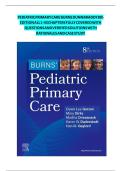
PEDIATRIC PRIMARY CARE BURNS DUNN BRADDY 8th
55 55 55 55 55 55
EDITION ALL 1-43 CHAPTERS FULLY COVERED WITH
55 55 55 55 55 55 55
QUESTIONS AND VERIFIED SOLUTIONS WITH
55 55 55 55 55
RATIONALES AND CASE STUDY
55 55 55 55
, TABLE OF CONTENT 55 55
1. Pediatric Primary Care
55 55 55
2. Global and National Influences on Child Health Status
55 55 55 55 55 55 55 55
3. Environmental Influences on Pediatric Health
55 55 55 55 55
4. Justice, Equity, Inclusion, and Diversity
55 55 55 55 55
5. Pediatric and Family Assessment
55 55 55 55
6. Behavioral and Mental Health Promotion
55 55 55 55 55
7. Sexuality and Gender Identity
55 55 55 55
8. Developmental Principles and Theories
55 55 55 55
9. Developmental Management of Newborns and
55 55 55 55 55
Neonates
55
10. Developmental Management of Infants
55 55 55 55
11. Developmental Management of Early Childhood
55 55 55 55 55
12. Developmental Management of Middle Childhood
55 55 55 55 55
13. Developmental Management of Adolescents
55 55 55 55
14. Nutrition
55
15. Breastfeeding
55
16. Sleep 55
17. Elimination
55
18. Physical Activity and Sports
55 55 55 55
19. Immunizations
55
20. Dental and Oral Health
55 55 55 55
,21. Pediatric Injury Prevention
55 55 55
22. Child Maltreatment
55 55
23. Prescribing Traditional and Complementary Therapies
55 55 55 55 55
24. Pediatric Pain and Fever Management
55 55 55 55 55
25. Pediatric Injuries and Toxic Exposures
55 55 55 55 55
26. Pediatric Palliative Care
55 55 55
27. Congenital and Inherited Disorders
55 55 55 55
28. Neonatal Disorders
55 55
29. Neurodivergence and Behavioral and Mental Health
55 55 55 55 55 55
Disorders
55
30. Eye and Vision Disorders
55 55 55 55
31. Ear and Hearing Disorders
55 55 55 55
32. Respiratory Disorders
55 55
33. Cardiovascular Disorders
55 55
34. Gastrointestinal Disorders
55 55
35. Infectious Diseases
55 55
36. Inflammatory Disorders
55 55
37. Dermatologic Disorders
55 55
38. Hematologic Disorders
55 55
39. Endocrine and Metabolic Disorders
55 55 55 55
40. Musculoskeletal Disorders
55 55
41. Neurologic Disorders
55 55
42. Genitourinary Disorders
55 55
43. Gynecology and Reproductive Health
55 55 55 55
, Chapter 1: Pediatric Primary Care
55 55 55 55 55
55 Multiple-Choice Questions (21) 55 55
1. The primary goal of pediatric primary care is:
55 55 55 55 55 55 55 55
A. Promote health and prevent disease across the lifespan
55 55 55 55 55 55 55 55
of children
55 55
B. Treat only chronic illnesses
55 55 55 55
C. Focus exclusively on adolescent care
55 55 55 55 55
D. Provide emergency care only
55 55 55 55
Correct Answer: A55 55 55
Rationale: Pediatric primary care focuses on holistic 55 55 55 55 55 55
health promotion, disease prevention, and early
55 55 55 55 55 55
intervention for all pediatric age groups.
55 55 55 55 55 55
2. A key principle of pediatric primary care is:
55 55 55 55 55 55 55 55
A. Family-centered care
55 55
B. Provider-centered care
55 55
C. Disease-only approach
55 55
D. Hospital-based care only
55 55 55
55 55 55 55 55 55
EDITION ALL 1-43 CHAPTERS FULLY COVERED WITH
55 55 55 55 55 55 55
QUESTIONS AND VERIFIED SOLUTIONS WITH
55 55 55 55 55
RATIONALES AND CASE STUDY
55 55 55 55
, TABLE OF CONTENT 55 55
1. Pediatric Primary Care
55 55 55
2. Global and National Influences on Child Health Status
55 55 55 55 55 55 55 55
3. Environmental Influences on Pediatric Health
55 55 55 55 55
4. Justice, Equity, Inclusion, and Diversity
55 55 55 55 55
5. Pediatric and Family Assessment
55 55 55 55
6. Behavioral and Mental Health Promotion
55 55 55 55 55
7. Sexuality and Gender Identity
55 55 55 55
8. Developmental Principles and Theories
55 55 55 55
9. Developmental Management of Newborns and
55 55 55 55 55
Neonates
55
10. Developmental Management of Infants
55 55 55 55
11. Developmental Management of Early Childhood
55 55 55 55 55
12. Developmental Management of Middle Childhood
55 55 55 55 55
13. Developmental Management of Adolescents
55 55 55 55
14. Nutrition
55
15. Breastfeeding
55
16. Sleep 55
17. Elimination
55
18. Physical Activity and Sports
55 55 55 55
19. Immunizations
55
20. Dental and Oral Health
55 55 55 55
,21. Pediatric Injury Prevention
55 55 55
22. Child Maltreatment
55 55
23. Prescribing Traditional and Complementary Therapies
55 55 55 55 55
24. Pediatric Pain and Fever Management
55 55 55 55 55
25. Pediatric Injuries and Toxic Exposures
55 55 55 55 55
26. Pediatric Palliative Care
55 55 55
27. Congenital and Inherited Disorders
55 55 55 55
28. Neonatal Disorders
55 55
29. Neurodivergence and Behavioral and Mental Health
55 55 55 55 55 55
Disorders
55
30. Eye and Vision Disorders
55 55 55 55
31. Ear and Hearing Disorders
55 55 55 55
32. Respiratory Disorders
55 55
33. Cardiovascular Disorders
55 55
34. Gastrointestinal Disorders
55 55
35. Infectious Diseases
55 55
36. Inflammatory Disorders
55 55
37. Dermatologic Disorders
55 55
38. Hematologic Disorders
55 55
39. Endocrine and Metabolic Disorders
55 55 55 55
40. Musculoskeletal Disorders
55 55
41. Neurologic Disorders
55 55
42. Genitourinary Disorders
55 55
43. Gynecology and Reproductive Health
55 55 55 55
, Chapter 1: Pediatric Primary Care
55 55 55 55 55
55 Multiple-Choice Questions (21) 55 55
1. The primary goal of pediatric primary care is:
55 55 55 55 55 55 55 55
A. Promote health and prevent disease across the lifespan
55 55 55 55 55 55 55 55
of children
55 55
B. Treat only chronic illnesses
55 55 55 55
C. Focus exclusively on adolescent care
55 55 55 55 55
D. Provide emergency care only
55 55 55 55
Correct Answer: A55 55 55
Rationale: Pediatric primary care focuses on holistic 55 55 55 55 55 55
health promotion, disease prevention, and early
55 55 55 55 55 55
intervention for all pediatric age groups.
55 55 55 55 55 55
2. A key principle of pediatric primary care is:
55 55 55 55 55 55 55 55
A. Family-centered care
55 55
B. Provider-centered care
55 55
C. Disease-only approach
55 55
D. Hospital-based care only
55 55 55