
al!!!!!!!!!!!!!!!!!!!!!!!!!!!!!!!!!~~~~~~~~~~~~~~~~~~~~~~~~~~~~~~~&&&&&&&&############################@@~~~~~~~~~~~~~~&&
~~~~~~~~~~~~~~~~~~~~~~&&&&&&&&############################@@@@@@@@@@@@@@@@22/2026//2027
psychologicalpsychologicalpsychological!!!!!!!!!!!!!!!!!!!!!!!!!!!!!!!!!~~~~~~~~~~~~psychologicalpsychological!!!!!!!!!!!!!!!!!!!!!!!!!!!!!!!!!~~
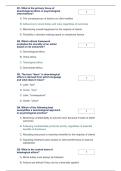
Q1. What is the primary focus of
deontological ethics in psychological 1
interventions?
A. The consequences of actions on client welfare
B. Adherence to moral duties and rules regardless of outcomes
C. Maximizing overall happiness for the majority of clients
D. Flexibility in decision-making based on situational factors
Q2. Which ethical framework
evaluates the morality of an action 1
based on its outcomes?
A. Deontological ethics
B. Virtue ethics
C. Teleological ethics
D. Duty-based ethics
Q3. The term "deon" in deontological
ethics is derived from which language 1
and what does it mean?
A. Latin; "law"
B. Greek; "duty"
C. Latin; "consequence"
D. Greek; "virtue"
Q4. Which of the following best
exemplifies a deontological approach 1
in psychological practice?
A. Breaching confidentiality to prevent harm because it leads to better
outcomes
B. Following confidentiality protocols strictly, regardless of potential
benefits of disclosure
C. Allocating resources to maximize benefits for the majority of clients
D. Adjusting treatment plans based on client preferences to improve
satisfaction
Q5. What is the central tenet of
teleological ethics? 1
A. Moral duties must always be followed
B. Actions are ethical if they can be universally applied
al!!!!!!!!!!!!!!!!!!!!!!!!!!!!!!!!!~~~~~~~~~~~~~~~~~~~~~~~~~~~~~~~&&&&&&&&############################@@@@@@@@@@@
~~~~~~~~~~~~~~~~~~~~~~&&&&&&&&############################@@@@@@@@@@@@@@@@22/2026//2027
psychologicalpsychological!!!!!!!!!!!!!!!!!!!!!!!!!!!!!!!!!~~~~~~~~~~~psychologicalpsychological!!!!!!!!!!!!!!!!!!!!!!!!!!!!!!!!!~~~~~~~~~~~~~~
,al!!!!!!!!!!!!!!!!!!!!!!!!!!!!!!!!!~~~~~~~~~~~~~~~~~~~~~~~~~~~~~~~&&&&&&&&############################@@~~~~~~~~~~~~~~&&
~~~~~~~~~~~~~~~~~~~~~~&&&&&&&&############################@@@@@@@@@@@@@@@@22/2026//2027
psychologicalpsychologicalpsychological!!!!!!!!!!!!!!!!!!!!!!!!!!!!!!!!!~~~~~~~~~~~~psychologicalpsychological!!!!!!!!!!!!!!!!!!!!!!!!!!!!!!!!!~~
C. The morality of an action depends on its consequences
D. Ethical behavior is determined by personal virtues
Q6. The categorical imperative,
proposed by Immanuel Kant, requires 1
that one should:
A. Act to maximize happiness for the greatest number
B. Follow rules only when outcomes are favorable
C. Act according to maxims that can be universally applied
D. Prioritize client welfare over all other duties
Q7. Which principle is most closely
associated with teleological ethics in 1
psychology?
A. Duty-based ethics
B. Categorical imperative
C. Consequentialist reasoning
D. Absolute moral rules
Q8. How might a psychologist
applying a utilitarian approach decide 1
to allocate limited resources?
A. Equally among all clients regardless of need
B. To interventions benefiting the largest number of clients
C. Based on strict adherence to confidentiality rules
D. According to personal moral duties without considering outcomes
Q9. In a case where a client reveals
intentions to self-harm, how would a 1
deontologist likely respond?
A. Consider the consequences before deciding to breach confidentiality
B. Focus on the duty to protect life, possibly breaching confidentiality
C. Prioritize client trust over immediate intervention
D. Evaluate the overall happiness resulting from intervention
Q10. Which statement best reflects the
American Psychological Association
(APA) Code of Ethics according to the 1
text?
al!!!!!!!!!!!!!!!!!!!!!!!!!!!!!!!!!~~~~~~~~~~~~~~~~~~~~~~~~~~~~~~~&&&&&&&&############################@@@@@@@@@@@
~~~~~~~~~~~~~~~~~~~~~~&&&&&&&&############################@@@@@@@@@@@@@@@@22/2026//2027
psychologicalpsychological!!!!!!!!!!!!!!!!!!!!!!!!!!!!!!!!!~~~~~~~~~~~psychologicalpsychological!!!!!!!!!!!!!!!!!!!!!!!!!!!!!!!!!~~~~~~~~~~~~~~
~~~~~~~~~~~~~~~~~~~~~~&&&&&&&&############################@@@@@@@@@@@@@@@@22/2026//2027
psychologicalpsychologicalpsychological!!!!!!!!!!!!!!!!!!!!!!!!!!!!!!!!!~~~~~~~~~~~~psychologicalpsychological!!!!!!!!!!!!!!!!!!!!!!!!!!!!!!!!!~~
Q1. What is the primary focus of
deontological ethics in psychological 1
interventions?
A. The consequences of actions on client welfare
B. Adherence to moral duties and rules regardless of outcomes
C. Maximizing overall happiness for the majority of clients
D. Flexibility in decision-making based on situational factors
Q2. Which ethical framework
evaluates the morality of an action 1
based on its outcomes?
A. Deontological ethics
B. Virtue ethics
C. Teleological ethics
D. Duty-based ethics
Q3. The term "deon" in deontological
ethics is derived from which language 1
and what does it mean?
A. Latin; "law"
B. Greek; "duty"
C. Latin; "consequence"
D. Greek; "virtue"
Q4. Which of the following best
exemplifies a deontological approach 1
in psychological practice?
A. Breaching confidentiality to prevent harm because it leads to better
outcomes
B. Following confidentiality protocols strictly, regardless of potential
benefits of disclosure
C. Allocating resources to maximize benefits for the majority of clients
D. Adjusting treatment plans based on client preferences to improve
satisfaction
Q5. What is the central tenet of
teleological ethics? 1
A. Moral duties must always be followed
B. Actions are ethical if they can be universally applied
al!!!!!!!!!!!!!!!!!!!!!!!!!!!!!!!!!~~~~~~~~~~~~~~~~~~~~~~~~~~~~~~~&&&&&&&&############################@@@@@@@@@@@
~~~~~~~~~~~~~~~~~~~~~~&&&&&&&&############################@@@@@@@@@@@@@@@@22/2026//2027
psychologicalpsychological!!!!!!!!!!!!!!!!!!!!!!!!!!!!!!!!!~~~~~~~~~~~psychologicalpsychological!!!!!!!!!!!!!!!!!!!!!!!!!!!!!!!!!~~~~~~~~~~~~~~
,al!!!!!!!!!!!!!!!!!!!!!!!!!!!!!!!!!~~~~~~~~~~~~~~~~~~~~~~~~~~~~~~~&&&&&&&&############################@@~~~~~~~~~~~~~~&&
~~~~~~~~~~~~~~~~~~~~~~&&&&&&&&############################@@@@@@@@@@@@@@@@22/2026//2027
psychologicalpsychologicalpsychological!!!!!!!!!!!!!!!!!!!!!!!!!!!!!!!!!~~~~~~~~~~~~psychologicalpsychological!!!!!!!!!!!!!!!!!!!!!!!!!!!!!!!!!~~
C. The morality of an action depends on its consequences
D. Ethical behavior is determined by personal virtues
Q6. The categorical imperative,
proposed by Immanuel Kant, requires 1
that one should:
A. Act to maximize happiness for the greatest number
B. Follow rules only when outcomes are favorable
C. Act according to maxims that can be universally applied
D. Prioritize client welfare over all other duties
Q7. Which principle is most closely
associated with teleological ethics in 1
psychology?
A. Duty-based ethics
B. Categorical imperative
C. Consequentialist reasoning
D. Absolute moral rules
Q8. How might a psychologist
applying a utilitarian approach decide 1
to allocate limited resources?
A. Equally among all clients regardless of need
B. To interventions benefiting the largest number of clients
C. Based on strict adherence to confidentiality rules
D. According to personal moral duties without considering outcomes
Q9. In a case where a client reveals
intentions to self-harm, how would a 1
deontologist likely respond?
A. Consider the consequences before deciding to breach confidentiality
B. Focus on the duty to protect life, possibly breaching confidentiality
C. Prioritize client trust over immediate intervention
D. Evaluate the overall happiness resulting from intervention
Q10. Which statement best reflects the
American Psychological Association
(APA) Code of Ethics according to the 1
text?
al!!!!!!!!!!!!!!!!!!!!!!!!!!!!!!!!!~~~~~~~~~~~~~~~~~~~~~~~~~~~~~~~&&&&&&&&############################@@@@@@@@@@@
~~~~~~~~~~~~~~~~~~~~~~&&&&&&&&############################@@@@@@@@@@@@@@@@22/2026//2027
psychologicalpsychological!!!!!!!!!!!!!!!!!!!!!!!!!!!!!!!!!~~~~~~~~~~~psychologicalpsychological!!!!!!!!!!!!!!!!!!!!!!!!!!!!!!!!!~~~~~~~~~~~~~~


