
FLETC Written Exam #1 QA
FLETC Written Exam #1
Study online at https://quizlet.com/_7f4a4t
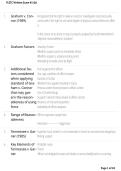
1. Graham v. Con- Recognized that the right to make an arrest or investigatory stop necessarily
nor (1989) carries with it the right to use some degree of physical coercion/threat to affect
it.
In the course of an arrest or stop is properly analyzed by Fourth Amendment's
'objective reasonableness' standard
2. Graham Factors Severity of crime
Whether suspect poses an immediate threat
Whether suspect is actively resisting arrest
Attempting to evade arrest by flight
3. Additional fac- # of suspects/# of officers
tors considered Size, age, condition of officer/suspect
when applying Duration of action
standard of Gra- Whether force applied resulted in injury
ham v. Connor Previous violent history known to officer at time
that may gov- Use of alcohol/drugs
ern the reason- Suspect's mental history known to officer at time
ableness of using Presence of innocent bystanders
force Availability of officer weapons
4. Range of Reason- Officer responses range from:
ableness
Hesitation---------------Aggressive
5. Tennessee v. Gar- Supreme Court stated it is not reasonable to shoot an unarmed non-dangerous
ner (1985) fleeing suspect.
6. Key Elements of Probable cause
Tennessee v. Gar- Threat
ner Officer not obligated to wait until death or serious bodily harm is occurring
Page 1 of 24
, FLETC Written Exam #1 QA
FLETC Written Exam #1
Study online at https://quizlet.com/_7f4a4t
If based on totality of circumstance and the officer perceives a threat of such
action, a reasonable force option may be used
7. Pre-Assault Indi- Verbal aggression
cators Change in posture
Face becomes red, showing teeth, breathing faster
Individual ignores you or stares through you
Aggression
Hands tighten
Individual becomes rigid
Chin tucked
8. Common Restric- Use of warning shots
tions in Agency Use of maximum force
Use of Force Pol- Moving vehicles
icy Exhausting lesser means of force first
9. Physiological Pounding heart
Changes Muscle tension
triggered when Rapid, shallow breathing
faced with a Nausea
threat Dizziness
Dry mouth
Diminished sound
Tunnel vision
Slow motion time
Memory loss
Memory distortion
10. Tunnel Vision Loss of peripheral vision
11. Heightened Visu- Clear picture of details you ordinarily might not notice/remember
al Clarity
Page 2 of 24
, FLETC Written Exam #1 QA
FLETC Written Exam #1
Study online at https://quizlet.com/_7f4a4t
12. Hearing Distor- Total loss of hearing, to muffled or distant
tions
13. Time Distortion Things seem to speed up or slow down
14. Cognitive/Behav- Automatic Behavior
ioral Changes Memory Gaps
triggered when Intrusive Thoughts
faced with a
threat
15. Methods of over- Mental preparation
coming hesita- Proper Training
tion in use of Belief in mission
force Personal Appearance
Physical Fitness
Understanding the law
Reality Based Training
Continuous Positive Visualization
Understanding of agency policy
Commitment to family/friends
Will to win
16. Fundamentals of Officer Safety
Documenting Objective, not subjective
Use of Force Training and Experience
Incident Matched Description
Basis for Seizure
17. Terry Stop Reasonable suspicion sufficient for investigation stop or detention; no warrant
needed
Page 3 of 24
FLETC Written Exam #1
Study online at https://quizlet.com/_7f4a4t
1. Graham v. Con- Recognized that the right to make an arrest or investigatory stop necessarily
nor (1989) carries with it the right to use some degree of physical coercion/threat to affect
it.
In the course of an arrest or stop is properly analyzed by Fourth Amendment's
'objective reasonableness' standard
2. Graham Factors Severity of crime
Whether suspect poses an immediate threat
Whether suspect is actively resisting arrest
Attempting to evade arrest by flight
3. Additional fac- # of suspects/# of officers
tors considered Size, age, condition of officer/suspect
when applying Duration of action
standard of Gra- Whether force applied resulted in injury
ham v. Connor Previous violent history known to officer at time
that may gov- Use of alcohol/drugs
ern the reason- Suspect's mental history known to officer at time
ableness of using Presence of innocent bystanders
force Availability of officer weapons
4. Range of Reason- Officer responses range from:
ableness
Hesitation---------------Aggressive
5. Tennessee v. Gar- Supreme Court stated it is not reasonable to shoot an unarmed non-dangerous
ner (1985) fleeing suspect.
6. Key Elements of Probable cause
Tennessee v. Gar- Threat
ner Officer not obligated to wait until death or serious bodily harm is occurring
Page 1 of 24
, FLETC Written Exam #1 QA
FLETC Written Exam #1
Study online at https://quizlet.com/_7f4a4t
If based on totality of circumstance and the officer perceives a threat of such
action, a reasonable force option may be used
7. Pre-Assault Indi- Verbal aggression
cators Change in posture
Face becomes red, showing teeth, breathing faster
Individual ignores you or stares through you
Aggression
Hands tighten
Individual becomes rigid
Chin tucked
8. Common Restric- Use of warning shots
tions in Agency Use of maximum force
Use of Force Pol- Moving vehicles
icy Exhausting lesser means of force first
9. Physiological Pounding heart
Changes Muscle tension
triggered when Rapid, shallow breathing
faced with a Nausea
threat Dizziness
Dry mouth
Diminished sound
Tunnel vision
Slow motion time
Memory loss
Memory distortion
10. Tunnel Vision Loss of peripheral vision
11. Heightened Visu- Clear picture of details you ordinarily might not notice/remember
al Clarity
Page 2 of 24
, FLETC Written Exam #1 QA
FLETC Written Exam #1
Study online at https://quizlet.com/_7f4a4t
12. Hearing Distor- Total loss of hearing, to muffled or distant
tions
13. Time Distortion Things seem to speed up or slow down
14. Cognitive/Behav- Automatic Behavior
ioral Changes Memory Gaps
triggered when Intrusive Thoughts
faced with a
threat
15. Methods of over- Mental preparation
coming hesita- Proper Training
tion in use of Belief in mission
force Personal Appearance
Physical Fitness
Understanding the law
Reality Based Training
Continuous Positive Visualization
Understanding of agency policy
Commitment to family/friends
Will to win
16. Fundamentals of Officer Safety
Documenting Objective, not subjective
Use of Force Training and Experience
Incident Matched Description
Basis for Seizure
17. Terry Stop Reasonable suspicion sufficient for investigation stop or detention; no warrant
needed
Page 3 of 24


