

GCSE MATHEMATICS / RATIO REASONING / INDEPENDENT SUPPLEMENT
START HERE
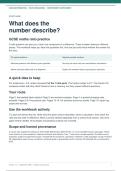
What does the
number describe?
GCSE maths ratio practice
A ratio question can give you a total, one component or a difference. Those numbers belong in different
places. This workbook helps you label the quantities first, find one part and check whether the answer fits
the story.
20 original problems Separate worked solutions
Matched questions with different given quantities See why the same ratio can need different calculations
Before-and-after tables and error diagnosis Explain the method instead of guessing an operation
A quick idea to keep
For amber:blue = 2:5, amber occupies 2 of the 7 total parts. The fraction amber is 2/7. The fraction 2/5
compares amber with blue. Both fractions have a meaning, but they answer different questions.
Your route
Page 2: the labelled-table method. Page 3: two worked examples. Page 4: a worked changing-ratio
example. Pages 5-9: five practice sets. Pages 10-14: full solutions and error checks. Page 15: repair log,
scope and sources.
Use the workbook actively
Try each set without the key. Write what the given amount describes, show a calculation, then check the
ratio and any total or difference. Mark a correct method separately from a correct final answer. Use extra
paper where needed. All examples and practice contexts are invented.
Scope and honest provenance
A narrow ratio supplement relevant to AQA GCSE Mathematics 8300 R3-R8. It is not a full GCSE course, past paper, official
mark scheme or exam prediction. Requires arithmetic and fractions; Task 17 also uses a simple equation. Excludes inverse
proportion, graphs and geometric proofs. Created with AI assistance; calculations checked in code and pages visually reviewed.
No independent expert review, enrollment, achieved grade or guaranteed result is claimed. Not affiliated with or endorsed by
AQA.
Version 1.0 | September 2026 | Original ratio practice 1
,GCSE MATHEMATICS / RATIO REASONING / INDEPENDENT SUPPLEMENT
METHOD
Label. Match.
Scale. Check.
1 / Write the quantity names in order
For amber:blue = 2:5, put Amber above 2 and Blue above 5. Add a Total column containing 7. If a
difference is given, add a Difference column containing 3. The numbers in that row count equal parts, not
necessarily individual objects.
Row Amber Blue Total Difference
Ratio parts 2 5 7 3
Actual amount 2xk 5xk 7xk 3xk
2 / Match the known amount to one column
If the total is given, divide by total parts. If blue is given, divide by blue parts. If the excess of blue over
amber is given, divide by the difference in parts. The resulting k is the amount represented by one part.
3 / Apply one common multiplier
Multiply every ratio entry by k. Never add k to the entries. Equivalent ratios preserve the relative sizes
because each quantity changes by the same factor.
4 / Check two things
First check the comparison: can the actual amounts simplify to the stated ratio? Then check the extra fact:
does their sum, difference or named component equal the given amount? Include units. Counts of objects
must be whole numbers; measured lengths or volumes may be fractional.
Before calculating
Convert quantities to compatible units. Distinguish part:part from part:whole. For a fraction of all objects,
the denominator must represent all objects. A ratio alone gives relative amounts; it does not specify a
unique total.
Version 1.0 | September 2026 | Original ratio practice 2
, GCSE MATHEMATICS / RATIO REASONING / INDEPENDENT SUPPLEMENT
WORKED EXAMPLES 1 AND 2
Same ratio.
Different information.
Example 1 / total known
A mosaic uses copper:silver tiles = 3:5 and has 96 tiles in total. Find the two amounts.
Row Copper Silver Total
Parts 3 5 8
Tiles (multiply by 12) 36 60 96
The known amount is the total: 96/8 = 12 tiles per part. Copper = 3 x 12 = 36; silver = 5 x 12 = 60. Check:
36 + 60 = 96 and 36:60 simplifies to 3:5. Copper is 3/8 of all tiles, not 3/5.
Example 2 / difference known
Another mosaic uses copper:silver = 3:5, but it has 14 more silver tiles than copper tiles. Find the two
amounts.
Row Copper Silver Difference
Parts 3 5 2
Tiles (multiply by 7) 21 35 14
The known difference is 5 - 3 = 2 parts: 14/2 = 7 tiles per part. Copper = 21 and silver = 35. Check: 35 - 21
= 14 and 21:35 simplifies to 3:5. The total here is 56, not 14.
Why adding the ratio numbers sometimes fails
Adding gives total parts. It is useful only when you match it to a total amount. In Example 2, dividing 14 by 8
would falsely treat the difference as the total. Read the noun attached to the number before choosing the
operation.
Explain it aloud
The number given represents ____. That is ____ ratio parts, so one part is ____. My answer passes the
____ check.
Version 1.0 | September 2026 | Original ratio practice 3
START HERE
What does the
number describe?
GCSE maths ratio practice
A ratio question can give you a total, one component or a difference. Those numbers belong in different
places. This workbook helps you label the quantities first, find one part and check whether the answer fits
the story.
20 original problems Separate worked solutions
Matched questions with different given quantities See why the same ratio can need different calculations
Before-and-after tables and error diagnosis Explain the method instead of guessing an operation
A quick idea to keep
For amber:blue = 2:5, amber occupies 2 of the 7 total parts. The fraction amber is 2/7. The fraction 2/5
compares amber with blue. Both fractions have a meaning, but they answer different questions.
Your route
Page 2: the labelled-table method. Page 3: two worked examples. Page 4: a worked changing-ratio
example. Pages 5-9: five practice sets. Pages 10-14: full solutions and error checks. Page 15: repair log,
scope and sources.
Use the workbook actively
Try each set without the key. Write what the given amount describes, show a calculation, then check the
ratio and any total or difference. Mark a correct method separately from a correct final answer. Use extra
paper where needed. All examples and practice contexts are invented.
Scope and honest provenance
A narrow ratio supplement relevant to AQA GCSE Mathematics 8300 R3-R8. It is not a full GCSE course, past paper, official
mark scheme or exam prediction. Requires arithmetic and fractions; Task 17 also uses a simple equation. Excludes inverse
proportion, graphs and geometric proofs. Created with AI assistance; calculations checked in code and pages visually reviewed.
No independent expert review, enrollment, achieved grade or guaranteed result is claimed. Not affiliated with or endorsed by
AQA.
Version 1.0 | September 2026 | Original ratio practice 1
,GCSE MATHEMATICS / RATIO REASONING / INDEPENDENT SUPPLEMENT
METHOD
Label. Match.
Scale. Check.
1 / Write the quantity names in order
For amber:blue = 2:5, put Amber above 2 and Blue above 5. Add a Total column containing 7. If a
difference is given, add a Difference column containing 3. The numbers in that row count equal parts, not
necessarily individual objects.
Row Amber Blue Total Difference
Ratio parts 2 5 7 3
Actual amount 2xk 5xk 7xk 3xk
2 / Match the known amount to one column
If the total is given, divide by total parts. If blue is given, divide by blue parts. If the excess of blue over
amber is given, divide by the difference in parts. The resulting k is the amount represented by one part.
3 / Apply one common multiplier
Multiply every ratio entry by k. Never add k to the entries. Equivalent ratios preserve the relative sizes
because each quantity changes by the same factor.
4 / Check two things
First check the comparison: can the actual amounts simplify to the stated ratio? Then check the extra fact:
does their sum, difference or named component equal the given amount? Include units. Counts of objects
must be whole numbers; measured lengths or volumes may be fractional.
Before calculating
Convert quantities to compatible units. Distinguish part:part from part:whole. For a fraction of all objects,
the denominator must represent all objects. A ratio alone gives relative amounts; it does not specify a
unique total.
Version 1.0 | September 2026 | Original ratio practice 2
, GCSE MATHEMATICS / RATIO REASONING / INDEPENDENT SUPPLEMENT
WORKED EXAMPLES 1 AND 2
Same ratio.
Different information.
Example 1 / total known
A mosaic uses copper:silver tiles = 3:5 and has 96 tiles in total. Find the two amounts.
Row Copper Silver Total
Parts 3 5 8
Tiles (multiply by 12) 36 60 96
The known amount is the total: 96/8 = 12 tiles per part. Copper = 3 x 12 = 36; silver = 5 x 12 = 60. Check:
36 + 60 = 96 and 36:60 simplifies to 3:5. Copper is 3/8 of all tiles, not 3/5.
Example 2 / difference known
Another mosaic uses copper:silver = 3:5, but it has 14 more silver tiles than copper tiles. Find the two
amounts.
Row Copper Silver Difference
Parts 3 5 2
Tiles (multiply by 7) 21 35 14
The known difference is 5 - 3 = 2 parts: 14/2 = 7 tiles per part. Copper = 21 and silver = 35. Check: 35 - 21
= 14 and 21:35 simplifies to 3:5. The total here is 56, not 14.
Why adding the ratio numbers sometimes fails
Adding gives total parts. It is useful only when you match it to a total amount. In Example 2, dividing 14 by 8
would falsely treat the difference as the total. Read the noun attached to the number before choosing the
operation.
Explain it aloud
The number given represents ____. That is ____ ratio parts, so one part is ____. My answer passes the
____ check.
Version 1.0 | September 2026 | Original ratio practice 3


