

Written by students who passed Immediately available after payment Read online or as PDF Wrong document? Swap it for free 4.6 TrustPilot
logo-home
Document preview thumbnail
Preview 3 out of 23 pages
Exam (elaborations)

Galen NSG 3850 / NSG3850 (NSG3850) Pathophysiology II Exam 1 | Complete Questions & Answers | 100% Updated 2026.

Document preview thumbnail
Preview 3 out of 23 pages

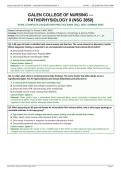
Galen NSG 3850 / NSG3850 (NSG3850) Pathophysiology II Exam 1 | Complete Questions & Answers | 100% Updated 2026. ### 1. A 68-year-old male is admitted with severe emesis and diarrhea. The nurse reviews his laboratory results. Which diagnostic finding is expected in an uncomplicated extracellular fluid volume (ECV) deficit? A. Decreased Hematocrit (Hct) B. Elevated Brain Natriuretic Peptide (BNP) C. Decreased Blood Urea Nitrogen (BUN) D. Normal serum sodium concentration ### 2. An older adult client is receiving enteral tube feedings. The nurse knows that older adults are at a significantly higher risk for hypernatremia and clinical dehydration primarily due to: A. A reduced thirst response when ECF osmolality rises B. Increased body water percentage compared to younger adults C. Enhanced renal GFR concentrating urine excessively D. Increased muscle mass causing fluid retention ### 3. When assessing an 82-year-old female for extracellular fluid volume deficit, why is skin turgor (tenting) an unreliable indicator in this age group? A. Age-related loss of skin collagen and elastin causes tenting even with normal fluid volume B. Older adults retain excess subcutaneous fluid in skin folds C. Skin turgor increases in response to elevated aldosterone levels D. Decreased peripheral vascular resistance masks skin changes ### 4. Which fluid compartment contains the highest concentration of protein and sodium, while maintaining a low concentration of potassium? A. Transcellular compartment B. Intracellular compartment C. Vascular compartment D. Interstitial compartment ### 5. A client presenting with severe ascites due to hepatic cirrhosis exhibits fluid accumulation in the peritoneal cavity. How does third-spacing impact extracellular fluid volume? A. Serum sodium levels drop sharply while urine output increases dramatically B. Intracellular compartment expands, causing systemic hyperkalemia C. Total body weight drops rapidly by 1 kg per liter of fluid shifted D. Fluid remains in the body but is trapped outside the active extracellular compartment ### 6. A client with severe hypovolemic shock is admitted to the emergency department. Which IV fluid order should the nurse execute first to restore intravascular volume? A. 5% Dextrose in Water (D5W) B. 0.45% Normal Saline (Hypotonic) C. 0.9% Normal Saline (Isotonic) D. 3% Hypertonic Saline ### 7. The nurse is caring for an adult client recovering from major abdominal surgery with an NG tube to suction. The provider must be notified immediately if urine output falls below: A. 15 mL/kg/hr total daily volume B. 50 mL/hr for four consecutive hours C. 20 mL/hr for two consecutive hours (or 1 mL/kg/hr) D. 100 mL/hr over a 12-hour shift ### 8. Clinical dehydration is pathophysiologically defined as a combination of which two fluid imbalances? A. Extracellular fluid volume (ECV) deficit and hypernatremia B. Transcellular excess and hypercalcemia C. ECV excess and hyponatremia D. Intracellular fluid volume deficit and hypokalemia ### 9. Which clinical manifestation is a hallmark sign of uncomplicated extracellular fluid volume (ECV) deficit when moving from a supine to standing position? A. Bounding peripheral pulses with dyspnea B. Postural blood pressure decrease with compensatory tachycardia C. Acute weight gain of 1 kg within 24 hours D. Jugular venous distention with orthopnea ### 10. A nurse is educating an older adult client on preventing volume depletion. Which statement accurately reflects fluid balance pathophysiology in aging? A. Aldosterone secretion surges, causing severe renal salt wasting B. Total body water increases to 70% of total body weight in older men C. Glomerular filtration rate (GFR) is lower, reducing the kidney's ability to concentrate urine and conserve fluid D. Thirst sensitivity increases, leading to voluntary fluid overload ### 11. A client diagnosed with severe heart failure develops extracellular fluid volume (ECV) excess. Which laboratory result is uniquely elevated in hypervolemia? A. Blood Urea Nitrogen (BUN) B. Urine sodium concentration C. Serum Hemoglobin D. Serum Hematocrit ### 12. A client with chronic kidney disease presents with severe hypervolemia. Which respiratory finding alerts the nurse to impending life-threatening pulmonary edema? A. Quiet hypoventilation with shallow chest expansion B. Stridor with severe laryngospasm C. Pink, frothy sputum with coarse crackles D. Kussmaul breathing with fruity acetone odor ### 13. The nurse is calculating fluid balance for a client with hypervolemia. The client gained 2.2 lbs (1 kg) overnight. This weight gain represents fluid retention of approximately: A. 1 Liter B. 100 mL C. 500 mL D. 2.5 Liters ### 14. Which etiology is known to cause extracellular fluid volume (ECV) excess due to excessive renal sodium and water retention? A. Excessive diuretic abuse B. Diabetes Insipidus C. Adrenal insufficiency (Addison's disease) D. Hyperaldosteronism and Cushing's disease ### 15. A client with severe pitting edema and hypervolemia is prescribed dietary restrictions. Which food item should the nurse instruct the client to strictly avoid? A. Steamed broccoli, fresh apples, and brown rice B. Broth with beef cubes and celery C. Fresh bananas, spinach, and baked potatoes D. Alka-Seltzer, canned soups, and processed condiments ### 16. When assessing a bedridden client for dependent edema associated with fluid volume excess, where should the nurse inspect? A. Sacral area B. Ankles and feet C. Pretibial anterior shin D. Periorbital region ### 17. Which diuretic class is indicated for mild fluid volume excess, working by blocking sodium and chloride reabsorption in the distal convoluted tubule? A. Thiazide diuretics (e.g., Hydrochlorothiazide) B. Loop diuretics (e.g., Furosemide) C. Potassium-sparing diuretics (e.g., Spironolactone) D. Osmotic diuretics (e.g., Mannitol) ### 18. What clinical position should the nurse place a hypervolemic client in who is experiencing dyspnea and orthopnea? A. Supine position with feet elevated B. Left lateral recumbent position C. Trendelenburg position D. Semi-Fowler's position ### 19. Hydrochlorothiazide therapy can lead to several metabolic side effects. Which electrolyte change is unique to thiazide diuretics compared to loop diuretics? A. Dehydration and hyperglycemia B. Sodium excretion (hyponatremia) C. Calcium retention (hypercalcemia) D. Potassium wasting (hypokalemia) ### 20. Which diagnostic test provides objective confirmation of cardiomegaly and pulmonary fluid congestion in a client with ECV excess? A. Serum Osmolality panel B. Chest X-ray C. 12-lead Electrocardiogram (ECG) D. Bone marrow biopsy ### 21. A client's serum sodium level is 124 mEq/L. Pathophysiologically, what occurs at the cellular level during hyponatremia? A. Water moves out of cells into the hypertonic ECF, causing cell shriveling B. Sodium ions bind to acetylcholine receptors, blocking muscle depolarization C. Water moves by osmosis from the diluted ECF into brain cells, causing cell swelling D. Potassium shifts rapidly into the ECF, raising the resting membrane potential ### 22. Which condition causes dilutional hyponatremia due to excessive water gain without sodium gain? A. Syndrome of Inappropriate Antidiuretic Hormone (SIADH) B. Diabetes Insipidus (DI) C. Profuse diaphoresis without fluid replacement D. Excessive intake of salt tablets ### 23. A client with severe hyponatremia (serum sodium 112 mEq/L) is experiencing confusion and muscular twitching. Which intravenous solution is indicated for severe hyponatremia? A. 3% Hypertonic Saline B. 0.45% Hypotonic Saline C. Lactated Ringer's D. 5% Dextrose in Water (D5W) ### 24. The nurse is providing dietary teaching to a client with mild hyponatremia. Which food options are appropriate to recommend for sodium replacement? A. Beef broth, tomato juice, and celery B. Bananas, spinach, and oranges C. Organ meats, raisins, and egg yolks D. Whole grain bread, cocoa, and almonds ### 25. Which laboratory profile confirms depletional hyponatremia caused by NG tube suctioning? A. Serum sodium 135 mEq/L, high aldosterone, and high urine specific gravity B. Serum sodium 135 mEq/L, low urine sodium, and low urine specific gravity C. Serum sodium 145 mEq/L, high urine sodium, and high CVP D. Serum sodium 145 mEq/L, low ADH, and elevated serum potassium ### 26. Pathophysiologically, hypernatremia (serum sodium 145 mEq/L) causes central nervous system dysfunction primarily because: A. High sodium concentrations trigger acetylcholine degradation B. High ECF osmolality pulls water out of brain cells, causing neurons to shrivel C. Water shifts into brain cells, leading to cerebral edema and herniation D. Sodium blocks calcium entry at the neuromuscular junction ### 27. Which clinical sign is uniquely characteristic of hypernatremia? A. Smooth beefy red tongue B. Furrowed tongue and soft sunken eyeballs C. Koilonychia and blue sclerae D. Swollen tongue and intense thirst ### 28. A client with Diabetes Insipidus excretes large volumes of dilute urine and presents with serum sodium of 152 mEq/L. Which IV solution should be administered to correct hypernatremia? A. 0.9% Normal Saline with KCL B. 0.45% Normal Saline or D5W C. 3% Hypertonic Saline D. 25% Albumin infusion ### 29. Which clinical risk factor is known to precipitate hypernatremia in post-operative or tube-fed clients? A. Hypertonic enteral feeds given without free water flushes B. Excessive IV D5W infusions C. Diuretic therapy with potassium-sparing agents D. Repeated tap water enemas ### 30. An athlete participating in a marathon collapses and is diagnosed with exercise-induced hyponatremia. What was the primary mechanism? A. Excessive water consumption exceeding renal excretory capacity B. Massive sodium intake from hypertonic energy gels C. Surge in aldosterone suppressing renal water excretion D. Rapid loss of potassium through profuse sweating ### 31. Which assessment parameter is the nurse's priority for a client with a serum sodium level of 118 mEq/L? A. Monitoring for tall peaked T waves on ECG B. Frequent neurological checks and seizure precautions C. Screening for dysphagia and deep bone pain D. Inspecting skin for purplish cyanosis and telangiectasia ### 32. A client taking Over-The-Counter Alka-Seltzer daily for heartburn presents with fluid retention and confusion. Why is Alka-Seltzer contraindicated in fluid and sodium imbalances? A. It contains high amounts of sodium bicarbonate, predisposing to hypernatremia and metabolic alkalosis B. It induces renal phosphate wasting and severe hypophosphatemia C. It contains loop diuretics that flush out potassium and calcium D. It binds to intrinsic factor, preventing B12 absorption ### 33. A client taking furosemide (Loop diuretic) presents with muscle weakness and abdominal distention. Serum potassium is 2.8 mEq/L. Pathophysiologically, how does hypokalemia affect muscle function? A. Decreases threshold potential of excitable cells, causing hyperactive reflexes B. Increases acetylcholine release at neuromuscular junctions, causing tetany C. Hypopolarizes resting membrane potential above threshold potential, preventing repolarization D. Hyperpolarizes resting membrane potential, making muscle cells less reactive to stimuli ### 34. Which Electrocardiogram (ECG) change is characteristic of hypokalemia? A. Prolonged QT interval leading to Torsades de Pointes B. Tall, narrow, peaked T waves and shortened QT interval C. Dampened/flattened T waves and presence of prominent U waves D. Widened QRS complex with PR interval prolongation ### 35. A nurse is reviewing safety rules for potassium administration. Which intervention is strictly PROHIBITED when treating hypokalemia? A. Encouraging intake of oral bananas and spinach B. Diluting IV potassium in 0.9% Normal Saline C. Administering Potassium Chloride via IV Push D. Giving oral potassium supplements with food ### 36. A client receiving IV potassium replacement has a urine output of 15 mL/hr over the last 3 hours. What is the nurse's priority action? A. Administer IV insulin with dextrose to shift potassium into cells B. Stop the potassium infusion and notify the healthcare provider immediately C. Increase the IV rate to flush the kidneys D. Encourage oral intake of beef broth and celery ### 37. Which acid-base imbalance is commonly associated with hypokalemia? A. Metabolic Alkalosis B. Respiratory Alkalosis C. Metabolic Acidosis D. Respiratory Acidosis ### 38. Which clinical gastrointestinal manifestation distinguishes hypokalemia from hyperkalemia? A. Hypokalemia causes dysphagia, whereas hyperkalemia causes constipation B. Hypokalemia causes paralytic ileus and decreased bowel sounds, whereas hyperkalemia causes intestinal cramps and diarrhea C. Hypokalemia causes hyperactive bowel sounds, whereas hyperkalemia causes ascites D. Hypokalemia causes severe vomiting, whereas hyperkalemia causes esophageal reflux ### 39. Pathophysiologically, severe hyperkalemia (6.0 mEq/L) causes flaccid muscle paralysis because: A. Acetylcholine release at the neuromuscular junction is completely inhibited B. Resting membrane potential hyperpolarizes, preventing any action potential generation C. Intracellular calcium stores are depleted by excess potassium uptake D. Skeletal muscle cells become hypopolarized so far above threshold that they cannot repolarize to contract again ### 40. Which ECG abnormality is the earliest hallmark sign of hyperkalemia? A. Prominent U waves B. Flat T waves C. Prolonged QT interval D. Tall, peaked T waves ### 41. A client with end-stage renal disease presents with a serum potassium of 7.2 mEq/L and ECG changes. The nurse anticipates administering Calcium Gluconate primarily to: A. Promote renal potassium clearance via osmotic diuresis B. Excrete potassium through the gastrointestinal tract C. Protect the cardiac cell membrane against potassium-induced dysrhythmias D. Drive potassium from the extracellular fluid into the cells ### 42. The mnemonic 'DICKS' summarizes medical management for hyperkalemia. Which medication shifts potassium from the ECF into cells? A. Regular Insulin (with Glucose) and Sodium Bicarbonate B. Furosemide (Loop diuretic) and Kayexalate C. Spironolactone and Hydrochlorothiazide D. Calcium Gluconate and Acetazolamide ### 43. Which medication or underlying condition shifts potassium from cells into the extracellular fluid, causing hyperkalemia? A. Corticosteroids, laxative abuse, and vomiting B. Thiazide diuretics, D5W infusions, and hypomagnesemia C. Acidosis, crushing injuries, and sepsis D. Alkalosis, excess insulin, and hyperaldosteronism ### 44. A client with severe hyperkalemia is prescribed Sodium Polystyrene Sulfonate (Kayexalate). How does Kayexalate lower serum potassium? A. Shifts potassium into intracellular space via sodium pumps B. Binds potassium in the GI tract to excrete it in feces C. Stimulates renal distal tubule potassium excretion D. Precipitates potassium ions into bone matrix ### 45. Which dietary item should be restricted in a client diagnosed with hyperkalemia? A. Oysters, sardines, and fortified dairy B. Salt substitutes, bananas, spinach, and potatoes with skin C. White rice, apples, and cranberry juice D. Beef broth, tomato juice, and celery ### 46. A client post-parathyroidectomy develops tingling around the mouth and carpopedal spasms. Serum calcium is 7.2 mg/dL. Pathophysiologically, hypocalcemia causes tetany because: A. It hyperpolarizes the resting membrane potential of peripheral nerves B. It elevates the threshold potential, depressing nerve cell transmission C. It decreases the threshold potential of excitable cells, making action potentials fire more easily D. It blocks acetylcholine release at the neuromuscular junction ### 47. The nurse inflates a blood pressure cuff on a client's upper arm for 3 minutes and observes carpal spasm of the hand. This positive sign is documented as: A. Kernig sign (indicates hypokalemia) B. Tinel sign (indicates hypermagnesemia) C. Trousseau sign (indicates hypocalcemia / increased neuromuscular excitability) D. Chvostek sign (indicates hypernatremia) ### 48. Tapping the facial nerve anterior to the ear lobe produces a twitching spasm of the facial cheek muscles. The nurse identifies this assessment finding as: A. Megaloblastic madness B. Positive Chvostek sign C. Positive Trousseau sign D. Erythromelalgia ### 49. Which condition is a recognized cause of hypocalcemia due to binding or precipitation of free ionized calcium? A. Hyperparathyroidism B. Massive blood transfusion of citrated blood or Fresh Frozen Plasma (FFP) C. Vitamin D overdose D. Thiazide diuretic therapy ### 50. A client with severe hypocalcemia is ordered IV Calcium Gluconate. Which nursing safety instruction is mandatory during administration? A. Mix Calcium Gluconate with IV Potassium Chloride in the same bag B. Encourage immediate vigorous ambulation following infusion C. Administer IV push rapidly over 30 seconds to prevent cardiac arrest D. Do NOT infuse IV Calcium Gluconate with 0.9% Normal Saline; keep client on bed rest ### 51. A client with hyperparathyroidism presents with muscle weakness, deep bone pain, constipation, and kidney stones. Serum calcium is 12.8 mg/dL. What mechanism causes these symptoms? A. Shift of potassium into cells, causing resting membrane hyperpolarization B. Excess acetylcholine release at the neuromuscular junction C. Lowering of the threshold potential, causing hyperactive reflexes D. Elevation of the threshold potential of excitable cells, causing decreased neuromuscular excitability ### 52. Which medical intervention promotes renal excretion of calcium in a client with severe hypercalcemia? A. 3% Hypertonic Saline with IV Potassium Push B. Thiazide diuretics (Hydrochlorothiazide) with calcium supplements C. Calcitonin infusion without salmon allergy screening D. 0.9% Normal Saline IV infusion combined with Loop diuretics (Furosemide) ### 53. The nurse is preparing to administer Calcitonin to lower serum calcium in a client with hypercalcemic crisis. What critical assessment must be verified prior to administration? A. Screen the client for a known salmon allergy B. Verify absolute neutrophil count is 1500 C. Assess for positive Chvostek sign D. Perform Schilling test for intrinsic factor antibodies ### 54. Pathophysiologically, how does serum magnesium concentration regulate acetylcholine (ACh) release at the neuromuscular junction? A. Magnesium binds to intrinsic factor to stimulate ACh synthesis in peripheral nerves B. Normal magnesium suppresses ACh release; hypomagnesemia increases ACh release; hypermagnesemia decreases ACh release C. Normal magnesium stimulates ACh release; hypomagnesemia suppresses ACh release; hypermagnesemia blocks ACh receptors D. Magnesium shifts sodium into ICF, preventing ACh breakdown ### 55. A client with chronic alcoholism presents with hyperactive deep tendon reflexes, tremors, grimacing, and dysrhythmias. Serum magnesium is 1.1 mEq/L. Why must hypomagnesemia be corrected before hypokalemia or hypocalcemia can be resolved? A. Magnesium neutralizes gastric hydrochloric acid to allow vitamin absorption B. Hypomagnesemia causes renal potassium wasting and inhibits Parathyroid Hormone (PTH) secretion C. Magnesium directly synthesizes hemoglobin in bone marrow stem cells D. Magnesium activates aldosterone to retain sodium in distal tubules ### 56. When administering IV Magnesium Sulfate for severe hypomagnesemia, what is the mandatory nursing safety precaution? A. Restrict dietary intake of leafy green vegetables B. Double-check the IV order and rate with a second registered nurse C. Maintain the client in high Fowler's position during infusion D. Administer via rapid IV push over 1 minute ### 57. Which assessment finding alerts the nurse to hypermagnesemia in a client receiving IV magnesium for pre-eclampsia? A. Loss of deep tendon reflexes (hyporeflexia) and respiratory depression B. Positive Chvostek and Trousseau signs C. Hyperactive reflexes and carpopedal spasms D. Tall peaked T waves and intestinal cramping ### 58. Which medication antidote should be readily available at the bedside when treating hypermagnesemia or magnesium toxicity? A. IV Naloxone B. IV Calcium Gluconate C. Oral Potassium Chloride D. IV Protamine Sulfate ### 59. Older adults are at an increased risk for hypermagnesemia primarily due to: A. Excessive loss of magnesium through profuse diaphoresis B. High intake of cocoa, peanut butter, and legumes C. Age-related hyperparathyroidism destroying bone matrix D. Excessive use of magnesium-containing antacids/laxatives combined with decreased renal excretion ### 60. A client receiving Total Parenteral Nutrition (TPN) following severe starvation develops acute hypophosphatemia (serum phosphate 1.2 mg/dL). Pathophysiologically, why does refeeding cause hypophosphatemia? A. TPN fluids bind phosphate in the GI tract, preventing mucosal absorption B. Insulin inhibition drives phosphate out of cells into urine C. Hyperventilation converts phosphate into carbonic acid D. Rapid increase in cellular metabolism shifts phosphate from ECF into cells to synthesize ATP ### 61. Which clinical manifestation of hypophosphatemia is directly caused by cellular ATP depletion and reduced 2,3-BPG in red blood cells? A. Tetany, carpopedal spasms, and positive Chvostek sign B. Hyperactive bowel sounds and intestinal cramping C. Ruddy cyanosis, splenomegaly, and leg ulcers D. Tissue hypoxia, severe muscle weakness, and respiratory failure from diaphragm weakness ### 62. Which client is at the highest risk for developing hypophosphatemia? A. A client with end-stage renal disease (ESRD) on hemodialysis B. A client with chronic alcoholism undergoing alcohol withdrawal C. A client with hypoparathyroidism D. A client overusing phosphate-containing enemas ### 63. A client with end-stage renal disease (ESRD) presents with hyperphosphatemia (serum phosphate 6.2 mg/dL). Why are clinical manifestations of hyperphosphatemia identical to hypocalcemia? A. High phosphate levels directly hyperpolarize peripheral nerve membranes B. Hyperphosphatemia causes precipitation and depletion of serum calcium, producing increased neuromuscular excitability C. Phosphate blocks intrinsic factor absorption in the ileum D. Phosphate triggers excessive secretion of parathyroid hormone ### 64. In addition to hypocalcemic symptoms, which clinical manifestation is unique to chronic hyperphosphatemia? A. Flaccid paralysis with loss of deep tendon reflexes B. Pruritus, conjunctivitis, and aching/stiff joints from calcium-phosphate tissue deposition C. Severe paresthesia of hands with spastic ataxia D. Glossitis, spoon nails, and blue sclerae ### 65. Which dietary restriction is essential for managing hyperphosphatemia in renal failure clients? A. Restricting beef broth, celery, and tomato juice B. Restricting organ meats, raisins, and legumes C. Restricting dark colas, dairy, beans, nuts, and whole grains D. Restricting citrus fruits, potatoes, and bananas ### 66. Which medication is approved specifically for clients with renal phosphate wasting disorders and hypophosphatemic rickets? A. Burosumab B. Hydroxyurea C. Acetazolamide D. Cyclosporine ### 67. An Arterial Blood Gas (ABG) report shows: pH 7.28, PaCO₂ 54 mmHg, HCO₃ 25 mEq/L. How should the nurse interpret this acid-base imbalance? A. Uncompensated Respiratory Alkalosis B. Compensated Metabolic Acidosis C. Uncompensated Respiratory Acidosis D. Partially Compensated Metabolic Alkalosis ### 68. Which etiology impairs respiratory carbon dioxide excretion, leading to Respiratory Acidosis? A. Excessive intake of sodium bicarbonate antacids B. Hyperventilation caused by severe anxiety and pain C. COPD, severe asthma, pneumonia, and opioid sedative overdose D. Severe prolonged diarrhea and intestinal fistulas ### 69. A client with acute respiratory acidosis exhibits confusion, tremors, and blurred vision. Examination reveals bilateral optic disc swelling. The nurse recognizes this finding as: A. Papilledema secondary to cerebral vasodilation from CO₂ retention B. Megaloblastic madness from B12 deficiency C. Retinal hemorrhage from thrombocytopenia D. Carpopedal spasm from acute hypocalcemia ### 70. How do the kidneys compensate for chronic Respiratory Acidosis? A. Increasing renal excretion of metabolic acid and reabsorbing bicarbonate (takes several days) B. Excreting excess bicarbonate while retaining hydrogen ions C. Hyperventilating to blow off excess carbonic acid within minutes D. Shifting potassium out of cells in exchange for sodium ### 71. The nurse instructs a post-operative client on using an incentive spirometer. Which statement demonstrates correct client understanding? A. I should hold my breath for 30 seconds before exhaling into the bag B. I should blow out as hard as possible into the tube 5 times a day C. I should suck in slowly through the mouthpiece 10 times every hour D. I should use the spirometer only if I develop a fever over 101°F ### 72. An ABG reveals: pH 7.52, PaCO₂ 28 mmHg, HCO₃ 23 mEq/L. Which clinical condition is a primary cause of this Respiratory Alkalosis? A. Persistent nasogastric suctioning B. Hyperventilation triggered by acute anxiety, pain, or high altitude hypoxemia C. Uncontrolled Diabetic Ketoacidosis (DKA) D. Chronic obstructive pulmonary disease (COPD) ### 73. Pathophysiologically, why does Respiratory Alkalosis cause paresthesias and carpal/pedal spasms? A. High pH shifts potassium into the vascular space, hyperpolarizing motor nerves B. Bicarbonate ions block acetylcholine receptors at the neuromuscular junction C. Alkalosis increases binding of calcium to plasma proteins, reducing ionized calcium levels D. Low CO₂ causes peripheral arterial vasodilation, accumulating lactic acid ### 74. A client with Diabetic Ketoacidosis (DKA) presents with deep, rapid respirations at 32 breaths/min. The nurse identifies this compensatory breathing pattern as: A. Hypoventilation (compensatory response to Metabolic Alkalosis) B. Biot's respirations (increased intracranial pressure) C. Kussmaul breathing (compensatory response to Metabolic Acidosis) D. Cheyne-Stokes breathing (respiratory center failure) ### 75. Severe prolonged diarrhea leads to Metabolic Acidosis primarily due to: A. Direct loss of alkaline pancreatic and intestinal secretions rich in bicarbonate B. Excessive excretion of hydrochloric acid by the stomach C. Accumulation of ketoacids from breakdown of fatty acids D. Impaired renal excretion of metabolic acids ### 76. A client with severe vomiting and NG tube suctioning is at risk for Metabolic Alkalosis. How does the body attempt to compensate for Metabolic Alkalosis? A. Hyperventilation (Kussmaul breathing) to blow off carbon dioxide B. Hypoventilation (shallow breathing) to retain carbon dioxide (carbonic acid) C. Increasing renal secretion of hydrogen ions and ammonia D. Shifting potassium out of cells into the extracellular fluid ### 77. Which hormone is secreted by kidney juxtaglomerular cells in response to tissue hypoxia to stimulate erythrocyte production in bone marrow? A. Aldosterone B. Parathyroid Hormone C. Thrombopoietin D. Erythropoietin ### 78. What is the average normal lifespan of a mature red blood cell (erythrocyte) in peripheral circulation? A. 5 days B. 80 to 120 days C. 10 to 15 years D. 4 to 5 days ### 79. A nurse reviews a complete blood count (CBC). Which leukocyte type has a 5-day lifespan and serves as the primary first responder performing phagocytosis during early inflammation? A. Basophils B. Monocytes C. Eosinophils D. Neutrophils ### 80. What is the primary cellular function of basophils in peripheral blood? A. Transport and release of heparin and histamine involved in allergic/inflammatory responses B. Processing and presenting antigens to helper T cells C. Long-term humoral and cell-mediated adaptive immunity D. Phagocytosis of parasitic worms and antibody-mediated defense ### 81. A client's lab report shows an Absolute Neutrophil Count (ANC) of 180/mm³. The nurse recognizes that an ANC 200/mm³ places the client at immediate risk for: A. Spontaneous intracranial hemorrhage B. Life-threatening infectious complications C. Megaloblastic madness D. Severe hyperviscosity and thrombosis ### 82. Pathophysiologically, what is the fundamental functional deficit common to all forms of anemia? A. Deficit of circulating platelets leading to mucosal hemorrhage B. Inability of the kidneys to excrete metabolic acids C. Overproduction of myeloid stem cells causing bone pain D. Decreased oxygen-carrying capacity of the blood resulting in tissue hypoxia ### 83. Which compensatory mechanisms does the body initiate to adapt to chronic tissue hypoxia caused by anemia? A. Decreasing heart rate and increasing systemic vascular resistance B. Shifting body fluid into intracellular space to reduce viscosity C. Increasing cardiac output (HR, stroke volume) and increasing pulmonary ventilation D. Suppressing bone marrow erythropoiesis to conserve iron ### 84. A 28-year-old female presents with severe fatigue, pale gums, and koilonychia (spoon-shaped nails). Laboratory work reveals low Hgb, low serum ferritin, and elevated Total Iron Binding Capacity (TIBC). What is the diagnosis? A. Aplastic Anemia (Pancytopenia) B. Thalassemia Major C. Pernicious Anemia (Macrocytic) D. Iron Deficiency Anemia (Microcytic/Hypochromic) ### 85. Which clinical manifestation is uniquely associated with Iron Deficiency Anemia? A. Jaundice with scleral icterus B. Symmetric paresthesia of fingers and toes C. Ruddy cyanosis of the face and cheeks D. Pica (craving non-food items like dirt, clay, ice, or starch) ### 86. The nurse is providing discharge instructions to a client prescribed oral Ferrous Sulfate. Which statement by the client indicates correct understanding? A. I should drink liquid iron directly from a cup without a straw B. I will take my iron supplement on an empty stomach with a glass of orange juice C. I can take my iron supplement with my morning calcium antacid D. Black tarry stools indicate severe internal GI bleeding and require ER visit ### 87. A client following a strict vegan diet presents with weakness, a smooth beefy red tongue, paresthesias in the hands and feet, and difficulty maintaining balance (ataxia). Which anemia is suspected? A. Aplastic Anemia B. Pernicious Anemia (Vitamin B12 Deficiency) C. Iron Deficiency Anemia D. Folate Deficiency Anemia ### 88. Pathophysiologically, Pernicious Anemia develops primarily due to: A. Mutant beta-globin gene synthesis producing unstable hemoglobin B. Lack of Intrinsic Factor secreted by gastric parietal cells, preventing B12 absorption in the ileum C. Dietary deficiency of folic acid during pregnancy D. Toxic autoimmune destruction of bone marrow stem cells ### 89. Which diagnostic test measures the urinary excretion of radioactive Vitamin B12 to confirm a diagnosis of Pernicious Anemia? A. Erythrocyte Sedimentation Rate (ESR) B. Coombs Test C. Intrinsic Factor Electrophoresis D. Schilling Test ### 90. What key clinical feature distinguishes Folate Deficiency Anemia from Vitamin B12 (Pernicious) Deficiency Anemia? A. Folate deficiency causes spoon-shaped nails and pica B. Folate deficiency presents with severe microcytic hypochromic red cells C. Folate deficiency does NOT produce neurological symptoms or peripheral nerve degeneration D. Folate deficiency causes ruddy facial cyanosis and gout ### 91. Pregnant women with low serum folate levels are at a significantly increased risk for which fetal complication? A. Congenital thalassemias B. Infantile polycythemia vera C. Fetal hypoparathyroidism D. Neural Tube Defects (e.g., spina bifida) ### 92. Which medical treatment is required for life in a client diagnosed with Pernicious Anemia secondary to total gastrectomy? A. Daily oral ferrous sulfate tablets B. Lifelong oral folic acid supplementation C. Monthly Intramuscular (IM) Vitamin B12 injections D. Weekly blood transfusions with chelation therapy ### 93. A 22-year-old client undergoing chemotherapy presents with fever, petechiae, nosebleeds, and severe fatigue. CBC reveals RBC 1.8 million/mm³, WBC 2,100/mm³, and Platelets 35,000/mm³. Bone marrow biopsy shows fatty marrow replacement. What condition is present? A. Aplastic Anemia (Pancytopenia) B. Iron Deficiency Anemia C. Polycythemia Vera D. Thalassemia Major ### 94. Which combination medical regimen is indicated for immunosuppressive therapy in an aplastic anemia client who is not a candidate for bone marrow transplantation? A. Furosemide and Calcium Gluconate B. Hydroxyurea and Deferoxamine C. Ferrous Sulfate and Vitamin C D. Cyclosporine and Antithymocyte Globulin (ATG) ### 95. A client with Beta-Thalassemia Major receives frequent red blood cell transfusions to manage severe anemia. Which chronic complication requires lifelong iron chelation therapy? A. Iron overload (hemosiderosis) damaging the heart, liver, and spleen B. Aplastic crisis from human parvovirus infection C. Severe hypocalcemia leading to carpopedal spasms D. Megaloblastic madness and cerebral degeneration ### 96. Pathophysiologically, Sickle Cell Anemia is caused by an inherited autosomal recessive mutation resulting in: A. Deficient production of alpha or beta globin polypeptide chains B. Substitution of valine for glutamic acid producing abnormal Sickle Hemoglobin S (HbS) C. Neoplastic transformation of pluripotential bone marrow stem cells D. Absence of intrinsic factor synthesis in gastric parietal cells ### 97. An 18-year-old client with Sickle Cell Disease is admitted in a severe vaso-occlusive crisis. What are the three primary nursing priorities during an acute sickle cell crisis? A. Hydration, Oxygenation, and Pain Relief B. Phlebotomy, Iron restriction, and Cold compresses C. Bed rest, Calcium gluconate, and Fluid restriction D. Stem cell transplant, Chelation, and Diuretics ### 98. A client with Sickle Cell Disease presents with fever, cough, tachypnea, chest pain, and new pulmonary infiltrates on chest X-ray. The nurse recognizes this life-threatening complication as: A. Acute Chest Syndrome B. Aplastic Crisis C. Sequestration Crisis D. Erythromelalgia ### 99. A 65-year-old male presents with a ruddy/florid complexion, purplish cyanosis of the lips, severe generalized itching after warm baths, and HTN. Lab results show Hct 58%, WBC 16,000/mm³, PLT 550,000/mm³, and low erythropoietin. What is the diagnosis? A. Aplastic Anemia B. Thalassemia Minor C. Pernicious Anemia D. Polycythemia Vera ### 100. What is the mainstay medical treatment for Polycythemia Vera to maintain Hematocrit below 45%? A. High-dose corticosteroid infusions B. Monthly Vitamin B12 injections C. Daily oral iron supplements D. Therapeutic Phlebotomy

Content preview

GALEN COLLEGE OF NURSING — NSG 3850 PATHOPHYSIOLOGY II EXAM 1 — 100 QUESTION STUDY BANK


GALEN COLLEGE OF NURSING —
PATHOPHYSIOLOGY II (NSG 3850)
EXAM 1 COMPLETE 100-QUESTION PRACTICE BANK (FALL 2026 / SUMMER 2026)

Course: Pathophysiology For Nurses II (NSG 3850)
Coverage: Fluid & Electrolyte Homeostasis, Acid-Base Imbalances, Hematology & Anemia Profiles
Format: 100 Clinical NCLEX/Examiner-Level Questions with Randomized Multiple Choice Options (A, B, C, D),
Highlighted Correct Answers, and Grounded Rationales.


Q1. A 68-year-old male is admitted with severe emesis and diarrhea. The nurse reviews his laboratory results.
Which diagnostic finding is expected in an uncomplicated extracellular fluid volume (ECV) deficit?
A. Decreased Hematocrit (Hct)
B. Elevated Brain Natriuretic Peptide (BNP)
C. Decreased Blood Urea Nitrogen (BUN)
D. Normal serum sodium concentration
Correct Answer: Option D
Rationale: In an uncomplicated ECV deficit (hypovolemia), sodium and water are lost in equal proportions, so
serum sodium concentration remains normal even though total volume is decreased. Other hemoconcentration
labs (BUN, Hct, Creatinine) will be elevated.

Q2. An older adult client is receiving enteral tube feedings. The nurse knows that older adults are at a
significantly higher risk for hypernatremia and clinical dehydration primarily due to:
A. A reduced thirst response when ECF osmolality rises
B. Increased body water percentage compared to younger adults
C. Enhanced renal GFR concentrating urine excessively
D. Increased muscle mass causing fluid retention
Correct Answer: Option A
Rationale: Older adults have a diminished thirst response when serum osmolality increases and less renal
concentrating ability, making them highly vulnerable to clinical dehydration and hypernatremia when receiving
hypertonic tube feeds without adequate water flushes.

Q3. When assessing an 82-year-old female for extracellular fluid volume deficit, why is skin turgor (tenting) an
unreliable indicator in this age group?
A. Age-related loss of skin collagen and elastin causes tenting even with normal fluid volume
B. Older adults retain excess subcutaneous fluid in skin folds
C. Skin turgor increases in response to elevated aldosterone levels
D. Decreased peripheral vascular resistance masks skin changes
Correct Answer: Option A
Rationale: Decreased skin turgor is not a reliable sign of ECV deficit in older adults because age-related loss of
collagen and subcutaneous tissue causes skin tenting even when fluid volume is normal.


Fall 2026 / Summer 2026 High-Yield Page 1
Review

,GALEN COLLEGE OF NURSING — NSG 3850 PATHOPHYSIOLOGY II EXAM 1 — 100 QUESTION STUDY BANK


Q4. Which fluid compartment contains the highest concentration of protein and sodium, while maintaining a
low concentration of potassium?
A. Transcellular compartment
B. Intracellular compartment
C. Vascular compartment
D. Interstitial compartment
Correct Answer: Option C
Rationale: The vascular compartment of the extracellular fluid (ECF) is rich in sodium, chloride, bicarbonate, and
protein (albumin). The interstitial fluid has few proteins, while the intracellular fluid (ICF) is rich in potassium,
magnesium, and phosphates.

Q5. A client presenting with severe ascites due to hepatic cirrhosis exhibits fluid accumulation in the peritoneal
cavity. How does third-spacing impact extracellular fluid volume?
A. Serum sodium levels drop sharply while urine output increases dramatically
B. Intracellular compartment expands, causing systemic hyperkalemia
C. Total body weight drops rapidly by 1 kg per liter of fluid shifted
D. Fluid remains in the body but is trapped outside the active extracellular compartment
Correct Answer: Option D
Rationale: Third-spacing (such as ascites or intestinal obstruction) occurs when fluid remains in the body but shifts
out of the vascular/interstitial ECF into a functional dead space, producing volume deficit signs without immediate
body weight loss.
Q6. A client with severe hypovolemic shock is admitted to the emergency department. Which IV fluid order
should the nurse execute first to restore intravascular volume?
A. 5% Dextrose in Water (D5W)
B. 0.45% Normal Saline (Hypotonic)
C. 0.9% Normal Saline (Isotonic)
D. 3% Hypertonic Saline
Correct Answer: Option C
Rationale: Severe hypovolemia requires immediate fluid resuscitation with isotonic IV solutions (0.9% Normal
Saline or Lactated Ringers) to expand intravascular volume. Once normotensive, hypotonic fluids (0.45% NS) may
be used.
Q7. The nurse is caring for an adult client recovering from major abdominal surgery with an NG tube to suction.
The provider must be notified immediately if urine output falls below:
A. 15 mL/kg/hr total daily volume
B. 50 mL/hr for four consecutive hours
C. 20 mL/hr for two consecutive hours (or < 1 mL/kg/hr)
D. 100 mL/hr over a 12-hour shift
Correct Answer: Option C
Rationale: In fluid volume management, urine output of less than 20 mL/hr for two consecutive hours (or < 1
mL/kg/hr) indicates inadequate renal perfusion and severe fluid deficit, requiring immediate provider notification.


Fall 2026 / Summer 2026 High-Yield Page 2
Review

, GALEN COLLEGE OF NURSING — NSG 3850 PATHOPHYSIOLOGY II EXAM 1 — 100 QUESTION STUDY BANK


Q8. Clinical dehydration is pathophysiologically defined as a combination of which two fluid imbalances?
A. Extracellular fluid volume (ECV) deficit and hypernatremia
B. Transcellular excess and hypercalcemia
C. ECV excess and hyponatremia
D. Intracellular fluid volume deficit and hypokalemia
Correct Answer: Option A
Rationale: Clinical dehydration is the combination of ECV deficit (too little isotonic fluid in ECF) and hypernatremia
(ECF fluids are too concentrated), commonly caused by emesis or diarrhea without water replacement.

Q9. Which clinical manifestation is a hallmark sign of uncomplicated extracellular fluid volume (ECV) deficit
when moving from a supine to standing position?
A. Bounding peripheral pulses with dyspnea
B. Postural blood pressure decrease with compensatory tachycardia
C. Acute weight gain of 1 kg within 24 hours
D. Jugular venous distention with orthopnea
Correct Answer: Option B
Rationale: A drop in postural blood pressure accompanied by an increased heart rate upon standing is a primary
indicator of reduced vascular fluid volume.

Q10. A nurse is educating an older adult client on preventing volume depletion. Which statement accurately
reflects fluid balance pathophysiology in aging?
A. Aldosterone secretion surges, causing severe renal salt wasting
B. Total body water increases to 70% of total body weight in older men
C. Glomerular filtration rate (GFR) is lower, reducing the kidney's ability to concentrate urine and conserve fluid
D. Thirst sensitivity increases, leading to voluntary fluid overload
Correct Answer: Option C
Rationale: Aging reduces GFR and kidney concentrating ability, making older adults less able to conserve fluid
when needed and causing nocturia and higher dehydration risk.

Q11. A client diagnosed with severe heart failure develops extracellular fluid volume (ECV) excess. Which
laboratory result is uniquely elevated in hypervolemia?
A. Blood Urea Nitrogen (BUN)
B. Urine sodium concentration
C. Serum Hemoglobin
D. Serum Hematocrit
Correct Answer: Option B
Rationale: In hypervolemia (ECV excess), dilutional effects lower Hgb, Hct, BUN, creatinine, and serum sodium.
Urine sodium is the only lab that will be elevated as the kidneys attempt to excrete excessive sodium.

Q12. A client with chronic kidney disease presents with severe hypervolemia. Which respiratory finding alerts
the nurse to impending life-threatening pulmonary edema?
A. Quiet hypoventilation with shallow chest expansion
B. Stridor with severe laryngospasm
C. Pink, frothy sputum with coarse crackles
D. Kussmaul breathing with fruity acetone odor
Correct Answer: Option C
Rationale: Severe hypervolemia can cause acute pulmonary edema, manifested by severe dyspnea, orthopnea,
crackles, and pink, frothy sputum.


Fall 2026 / Summer 2026 High-Yield Page 3
Review

Document information

Uploaded on
September 15, 2026
Number of pages
23
Written in
2025/2026
Type
Exam (elaborations)
Contains
Questions & answers
$18.59

Wrong document? Swap it for free Within 14 days of purchase and before downloading, you can choose a different document. You can simply spend the amount again.
Written by students who passed
Immediately available after payment
Read online or as PDF

Seller avatar
Reputation scores are based on the amount of documents a seller has sold for a fee and the reviews they have received for those documents. There are three levels: Bronze, Silver and Gold. The better the reputation, the more your can rely on the quality of the sellers work.
MindCraft
3.8
(52)
Sold
445
Followers
10
Items
2892
Last sold
10 hours ago


Why students choose Stuvia

Created by fellow students, verified by reviews

Quality you can trust: written by students who passed their tests and reviewed by others who've used these notes.

Didn't get what you expected? Choose another document

No worries! You can instantly pick a different document that better fits what you're looking for.

Pay as you like, start learning right away

No subscription, no commitments. Pay the way you're used to via credit card and download your PDF document instantly.

Student with book image

“Bought, downloaded, and aced it. It really can be that simple.”

Alisha Student

Working on your references?

Create accurate citations in APA, MLA and Harvard with our free citation generator.

Working on your references?

Frequently asked questions

