

Page 1 of 110
WILDLAND FIREFIGHTER 1C EXAM A & B QUESTIONS EXAM
LATEST VERSION QUESTIONS AND ANSWERS 2026 EDITION
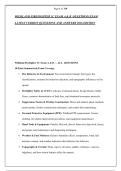
Wildland Firefighter 1C Exam A & B — ALL QUESTIONS
10-Point Summarized Exam Coverage
1. Fire Behavior & Environment: Fire environment triangle, fuel types, fire
classifications, extreme fire behavior indicators, and topographic influences on fire
spread.
2. Firefighter Safety & LCES: Lookouts, Communications, Escape Routes, Safety
Zones, common denominators of fatal fires, and situational awareness protocols.
3. Suppression Tactics & Fireline Construction: Direct and indirect attack methods,
anchor points, fireline construction techniques, and control line terminology.
4. Personal Protective Equipment (PPE): Wildland PPE requirements, Nomex
clothing, fire shelter deployment procedures, and equipment maintenance.
5. Hand Tools & Equipment: Pulaski, McLeod, shovel, rhino tool, drip torch, fusees,
and proper tool maintenance and sharpening techniques.
6. Weather & Fuel Moisture: Relative humidity effects, temperature, wind, fuel
moisture content, and weather indicators that influence fire behavior.
7. Topography & Terrain: Slope, aspect, elevation, saddles, chimneys, canyons,
ridgelines, and how terrain features affect fire spread.
, Page 2 of 110
8. Communications & ICS: Radio protocols, Incident Command System structure,
resource ordering, and interagency communication procedures.
9. Mop-Up, Patrol & Securing Fireline: Cold trailing, mop-up standards, patrol
procedures, and fire area rehabilitation.
10. WUI & Structural Exposure Protection: Wildland-Urban Interface operations,
structure triage, and reducing fire threat to improved properties.
SECTION 1: FIRE BEHAVIOR & ENVIRONMENT (Questions 1–60)
Question 1
The three primary factors that influence wildland fire behavior are:
A) Temperature, humidity, and wind
B) Fuel, weather, and topography
C) Fuel, oxygen, and heat
D) Slope, aspect, and elevation
Answer: B
Rationale: The Fire Environment Triangle consists of fuels, weather, and topography. These
three factors collectively determine how a wildland fire will behave. The fire triangle of fuel,
oxygen, and heat represents what is needed for combustion, not fire behavior factors.
Question 2
Which fuel type burns most rapidly?
A) Heavy logs and stumps
B) Large diameter timber
, Page 3 of 110
C) Fine fuels such as grass, leaves, and needles
D) Wet organic soil layers
Answer: C
Rationale: Fine fuels are less than 1/4 inch in diameter and ignite quickly due to their high
surface-area-to-volume ratio. They dry rapidly and contribute to fast fire spread. Heavy fuels
like logs burn longer but slower.
Question 3
Which type of fire burns underground in organic material such as duff and peat?
A) Surface fire
B) Crown fire
C) Ground fire
D) Spot fire
Answer: C
Rationale: Ground fires burn in subsurface organic fuels and are often called "peat fires."
They are difficult to detect and extinguish. Surface fires burn along the ground, crown fires
burn in tree canopies, and spot fires are ignitions ahead of the main fire.
Question 4
A fire spreading with the wind or upslope is called a:
A) Backing fire
B) Heading fire
C) Flanking fire
D) Creeping fire
Answer: B
Rationale: A heading fire spreads with the wind or upslope, moving rapidly and with high
, Page 4 of 110
intensity. A backing fire spreads against the wind or downslope, and a flanking fire spreads
perpendicular to the wind.
Question 5
At what relative humidity reading will fires turn actively?
A) Above 30%
B) Below 30%
C) At 20%
D) All of the above
Answer: B
Rationale: When relative humidity drops below 30%, fine fuels dry rapidly and fire activity
increases dramatically. Below 30% RH is considered a critical threshold for active fire
behavior.
Question 6
You should anticipate increased wind, eddies, opposite slope spot fires, area ignition, and
slope reversal when working in:
A) Narrow intersecting canyons
B) Saddles
C) Chimneys
D) All of the above
Answer: A
Rationale: Narrow intersecting canyons are especially dangerous terrain features where wind
eddies, spot fires, area ignition, and slope reversal can occur. These conditions can lead to
sudden and extreme fire behavior.
Question 7
Increased rates of spread should be anticipated due to surface wind channeling when fires
WILDLAND FIREFIGHTER 1C EXAM A & B QUESTIONS EXAM
LATEST VERSION QUESTIONS AND ANSWERS 2026 EDITION
Wildland Firefighter 1C Exam A & B — ALL QUESTIONS
10-Point Summarized Exam Coverage
1. Fire Behavior & Environment: Fire environment triangle, fuel types, fire
classifications, extreme fire behavior indicators, and topographic influences on fire
spread.
2. Firefighter Safety & LCES: Lookouts, Communications, Escape Routes, Safety
Zones, common denominators of fatal fires, and situational awareness protocols.
3. Suppression Tactics & Fireline Construction: Direct and indirect attack methods,
anchor points, fireline construction techniques, and control line terminology.
4. Personal Protective Equipment (PPE): Wildland PPE requirements, Nomex
clothing, fire shelter deployment procedures, and equipment maintenance.
5. Hand Tools & Equipment: Pulaski, McLeod, shovel, rhino tool, drip torch, fusees,
and proper tool maintenance and sharpening techniques.
6. Weather & Fuel Moisture: Relative humidity effects, temperature, wind, fuel
moisture content, and weather indicators that influence fire behavior.
7. Topography & Terrain: Slope, aspect, elevation, saddles, chimneys, canyons,
ridgelines, and how terrain features affect fire spread.
, Page 2 of 110
8. Communications & ICS: Radio protocols, Incident Command System structure,
resource ordering, and interagency communication procedures.
9. Mop-Up, Patrol & Securing Fireline: Cold trailing, mop-up standards, patrol
procedures, and fire area rehabilitation.
10. WUI & Structural Exposure Protection: Wildland-Urban Interface operations,
structure triage, and reducing fire threat to improved properties.
SECTION 1: FIRE BEHAVIOR & ENVIRONMENT (Questions 1–60)
Question 1
The three primary factors that influence wildland fire behavior are:
A) Temperature, humidity, and wind
B) Fuel, weather, and topography
C) Fuel, oxygen, and heat
D) Slope, aspect, and elevation
Answer: B
Rationale: The Fire Environment Triangle consists of fuels, weather, and topography. These
three factors collectively determine how a wildland fire will behave. The fire triangle of fuel,
oxygen, and heat represents what is needed for combustion, not fire behavior factors.
Question 2
Which fuel type burns most rapidly?
A) Heavy logs and stumps
B) Large diameter timber
, Page 3 of 110
C) Fine fuels such as grass, leaves, and needles
D) Wet organic soil layers
Answer: C
Rationale: Fine fuels are less than 1/4 inch in diameter and ignite quickly due to their high
surface-area-to-volume ratio. They dry rapidly and contribute to fast fire spread. Heavy fuels
like logs burn longer but slower.
Question 3
Which type of fire burns underground in organic material such as duff and peat?
A) Surface fire
B) Crown fire
C) Ground fire
D) Spot fire
Answer: C
Rationale: Ground fires burn in subsurface organic fuels and are often called "peat fires."
They are difficult to detect and extinguish. Surface fires burn along the ground, crown fires
burn in tree canopies, and spot fires are ignitions ahead of the main fire.
Question 4
A fire spreading with the wind or upslope is called a:
A) Backing fire
B) Heading fire
C) Flanking fire
D) Creeping fire
Answer: B
Rationale: A heading fire spreads with the wind or upslope, moving rapidly and with high
, Page 4 of 110
intensity. A backing fire spreads against the wind or downslope, and a flanking fire spreads
perpendicular to the wind.
Question 5
At what relative humidity reading will fires turn actively?
A) Above 30%
B) Below 30%
C) At 20%
D) All of the above
Answer: B
Rationale: When relative humidity drops below 30%, fine fuels dry rapidly and fire activity
increases dramatically. Below 30% RH is considered a critical threshold for active fire
behavior.
Question 6
You should anticipate increased wind, eddies, opposite slope spot fires, area ignition, and
slope reversal when working in:
A) Narrow intersecting canyons
B) Saddles
C) Chimneys
D) All of the above
Answer: A
Rationale: Narrow intersecting canyons are especially dangerous terrain features where wind
eddies, spot fires, area ignition, and slope reversal can occur. These conditions can lead to
sudden and extreme fire behavior.
Question 7
Increased rates of spread should be anticipated due to surface wind channeling when fires


