
PSYC1009 Neuroanatomy Part 2 Study Notes
Main ideas about neurotransmitters
Neurotransmitters are chemical messengers released by neurons. They bind to receptors on target cells and influence
how those cells respond. This section focuses on where each transmitter acts, what it does, and what happens when its
signalling is disrupted.
Term What it means
Chemical messenger A chemical signal used to communicate across a synapse.
Key and lock A neurotransmitter binds to compatible receptors. The receptor helps determine its effect.
Pathway A route from a group of neurons to the brain regions they influence.
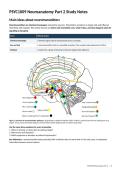
Figure 1. Overview of neurotransmitter pathways. Original figure credited to Alahmari (2021). Follow a coloured route from its starting area to its
targets. This is a broad orientation diagram; the transmitter-specific diagrams give the clearer study detail.
Use the same three questions for every transmitter:
1. Where is it found, or where does its pathway begin?
2. What are its main functions?
3. Which symptoms or disorders are linked to dysfunction?
Key distinction: a neurotransmitter being associated with a disorder does not mean that it is the sole cause. It emphasizes
interactions between several systems.
PSYC1009 Neuroanatomy Part 2 | 1
, GABA and glutamate
Inhibition and excitation
Study point GABA Glutamate
Distribution Widely present in the brain. Widely present in the brain.
Inhibitory: generally reduces the likelihood that a Excitatory: generally increases the likelihood that a
Main function
neuron fires. neuron fires.
Reduced inhibition can allow excessive activity:
Excessive activity can overstimulate neurons,
Dysfunction anxiety, agitation, seizures or involuntary
causing excitotoxicity: cell damage or death.
movements.
Anxiety disorders, epilepsy and Huntington's Stroke, traumatic brain injury, Alzheimer's disease
Examples
disease. and some forms of epilepsy.
Schizophrenia is also among disorders associated with GABA/glutamate dysfunction. Both systems can affect emotion,
cognition and motor control.
Figure 2a. Brain regions shown include the cortex, striatum, thalamus, substantia nigra and cerebellum.
Figure 2b. The balance represents excitation and inhibition. The key study point is the effect of too little inhibition or too much excitation:
PMHealthNP.
Figure 3. Original synapse illustration.
Excitotoxicity: excessive glutamate activity can damage neurons. This is more than ordinary excitation.
Remember: GABA acts like a brake; glutamate promotes activity. These are memory aids for their main roles.
PSYC1009 Neuroanatomy Part 2 | 2


