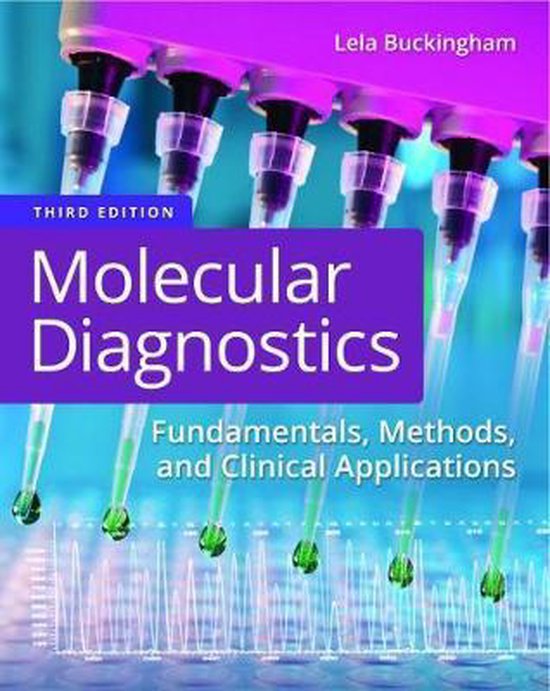
Test Bank - Molecular Diagnostics: Fundamentals, Methods, and
ly ly ly ly ly ly ly
ly Clinical Applications, 3rd Edition (Buckingham, 2019), Chapter
ly ly ly ly ly ly
ly 1-15 | All Chapters Covered || complete A+ Guide
ly ly ly ly ly ly ly ly
BestGuidesStuvia
,TABLE OF CONTENT
ly ly
Chapter 1: Nucleic Acids and Proteins
ly ly ly ly ly
Chapter 2: Gene Expression and Epigenetics
ly ly ly ly ly
Chapter 3: Nucleic Acid Extraction Methods
ly ly ly ly ly
Chapter 4: Resolution and Detection of Nucleic Acids
ly ly ly ly ly ly ly
Chapter 5: Analysis and Characterization of Nucleic Acids and Proteins
ly ly ly ly ly ly ly ly ly
Chapter 6: Nucleic Acid Amplification
ly ly ly ly
Chapter 7: Chromosomal Structure and Chromosomal Mutations
ly ly ly ly ly ly
Chapter 8: Gene Mutations
ly ly ly
Chapter 9: DNA Sequencing
ly ly ly
Chapter 10: DNA Polymorphism and Human Identification
ly ly ly ly ly ly
Chapter 11: Detection and Identification of Microorganisms
ly ly ly ly ly ly
Chapter 12: Molecular Detection of Inherited Diseases
ly ly ly ly ly ly
Chapter 13: Molecular Oncology
ly ly ly
Chapter 14: DNA-Based Tissue Typing (HLA Typing)
ly ly ly ly ly ly
Chapter 15: Quality Assurance and Quality Control in the Molecular Laboratory
ly ly ly ly ly ly ly ly ly ly
,Test Bank for Chapter:1 Nucleic Acids and Proteins
ly ly ly ly ly ly ly
Source: Buckingham, L. (2019). Molecular Diagnostics: Fundamentals, Methods, and
ly ly ly ly ly ly ly ly
Clinical Applications (3rd ed.)
ly ly ly ly
Multiple Choice Questions (30 Questions) ly ly ly ly
1. Which nitrogenous base is found exclusively in RNA and replaces thymine found in
ly ly ly ly ly ly ly ly ly ly ly ly ly
DNA?
ly
a) Adenine
ly
b) Guanine
ly
c) Cytosine
ly
d) Uracil
ly
Answer: d) Uracil ly ly
Explanation: Uracil is present in RNA instead of thymine. It pairs with adenine during
ly ly ly ly ly ly ly ly ly ly ly ly ly
transcription. This difference is critical for distinguishing RNA from DNA in diagnostic
ly ly ly ly ly ly ly ly ly ly ly ly
assays and for RNA stability/function.
ly ly ly ly ly
2. The backbone of a DNA strand consists of alternating:
ly ly ly ly ly ly ly ly ly
a) Bases and sugars
ly ly ly
b) Phosphates and bases
ly ly ly
c) Sugars and phosphates
ly ly ly
d) Nitrogenous bases and hydrogen bonds
ly ly ly ly ly
, Answer: c) Sugars and phosphates
ly ly ly ly
*Explanation: The sugar-phosphate backbone is formed by phosphodiester bonds
ly ly ly ly ly ly ly ly
between the 3' carbon of one deoxyribose and the 5' carbon of the next. This structure
ly ly ly ly ly ly ly ly ly ly ly ly ly ly ly ly
provides stability and directionality (5'→3') essential for replication and transcription.*
ly ly ly ly ly ly ly ly ly ly
3. Which type of RNA carries amino acids to the ribosome during protein synthesis?
ly ly ly ly ly ly ly ly ly ly ly ly ly
a) mRNA
ly
b) rRNA
ly
c) tRNA
ly
d) snRNA
ly
Answer: c) tRNA ly ly
*Explanation: Transfer RNA (tRNA) has an anticodon that base-pairs with mRNA codons
ly ly ly ly ly ly ly ly ly ly ly
and carries a specific amino acid at its 3' end. This adaptor function is fundamental to
ly ly ly ly ly ly ly ly ly ly ly ly ly ly ly ly
translation accuracy in diagnostic protein analysis.*
ly ly ly ly ly ly
4. The primary structure of a protein refers to its:
ly ly ly ly ly ly ly ly ly
a) Three-dimensional folded shape
ly ly ly
b) Alpha helix and beta sheet arrangements
ly ly ly ly ly ly
c) Linear sequence of amino acids
ly ly ly ly ly
d) Subunit assembly pattern
ly ly ly
Answer: c) Linear sequence of amino acids
ly ly ly ly ly ly
Explanation: Primary structure is the covalent backbone of amino acids linked by peptide
ly ly ly ly ly ly ly ly ly ly ly ly
bonds. This sequence determines higher-order folding and is directly encoded by genes,
ly ly ly ly ly ly ly ly ly ly ly ly
making it targetable by DNA sequencing in molecular diagnostics.
ly ly ly ly ly ly ly ly ly
ly ly ly ly ly ly ly
ly Clinical Applications, 3rd Edition (Buckingham, 2019), Chapter
ly ly ly ly ly ly
ly 1-15 | All Chapters Covered || complete A+ Guide
ly ly ly ly ly ly ly ly
BestGuidesStuvia
,TABLE OF CONTENT
ly ly
Chapter 1: Nucleic Acids and Proteins
ly ly ly ly ly
Chapter 2: Gene Expression and Epigenetics
ly ly ly ly ly
Chapter 3: Nucleic Acid Extraction Methods
ly ly ly ly ly
Chapter 4: Resolution and Detection of Nucleic Acids
ly ly ly ly ly ly ly
Chapter 5: Analysis and Characterization of Nucleic Acids and Proteins
ly ly ly ly ly ly ly ly ly
Chapter 6: Nucleic Acid Amplification
ly ly ly ly
Chapter 7: Chromosomal Structure and Chromosomal Mutations
ly ly ly ly ly ly
Chapter 8: Gene Mutations
ly ly ly
Chapter 9: DNA Sequencing
ly ly ly
Chapter 10: DNA Polymorphism and Human Identification
ly ly ly ly ly ly
Chapter 11: Detection and Identification of Microorganisms
ly ly ly ly ly ly
Chapter 12: Molecular Detection of Inherited Diseases
ly ly ly ly ly ly
Chapter 13: Molecular Oncology
ly ly ly
Chapter 14: DNA-Based Tissue Typing (HLA Typing)
ly ly ly ly ly ly
Chapter 15: Quality Assurance and Quality Control in the Molecular Laboratory
ly ly ly ly ly ly ly ly ly ly
,Test Bank for Chapter:1 Nucleic Acids and Proteins
ly ly ly ly ly ly ly
Source: Buckingham, L. (2019). Molecular Diagnostics: Fundamentals, Methods, and
ly ly ly ly ly ly ly ly
Clinical Applications (3rd ed.)
ly ly ly ly
Multiple Choice Questions (30 Questions) ly ly ly ly
1. Which nitrogenous base is found exclusively in RNA and replaces thymine found in
ly ly ly ly ly ly ly ly ly ly ly ly ly
DNA?
ly
a) Adenine
ly
b) Guanine
ly
c) Cytosine
ly
d) Uracil
ly
Answer: d) Uracil ly ly
Explanation: Uracil is present in RNA instead of thymine. It pairs with adenine during
ly ly ly ly ly ly ly ly ly ly ly ly ly
transcription. This difference is critical for distinguishing RNA from DNA in diagnostic
ly ly ly ly ly ly ly ly ly ly ly ly
assays and for RNA stability/function.
ly ly ly ly ly
2. The backbone of a DNA strand consists of alternating:
ly ly ly ly ly ly ly ly ly
a) Bases and sugars
ly ly ly
b) Phosphates and bases
ly ly ly
c) Sugars and phosphates
ly ly ly
d) Nitrogenous bases and hydrogen bonds
ly ly ly ly ly
, Answer: c) Sugars and phosphates
ly ly ly ly
*Explanation: The sugar-phosphate backbone is formed by phosphodiester bonds
ly ly ly ly ly ly ly ly
between the 3' carbon of one deoxyribose and the 5' carbon of the next. This structure
ly ly ly ly ly ly ly ly ly ly ly ly ly ly ly ly
provides stability and directionality (5'→3') essential for replication and transcription.*
ly ly ly ly ly ly ly ly ly ly
3. Which type of RNA carries amino acids to the ribosome during protein synthesis?
ly ly ly ly ly ly ly ly ly ly ly ly ly
a) mRNA
ly
b) rRNA
ly
c) tRNA
ly
d) snRNA
ly
Answer: c) tRNA ly ly
*Explanation: Transfer RNA (tRNA) has an anticodon that base-pairs with mRNA codons
ly ly ly ly ly ly ly ly ly ly ly
and carries a specific amino acid at its 3' end. This adaptor function is fundamental to
ly ly ly ly ly ly ly ly ly ly ly ly ly ly ly ly
translation accuracy in diagnostic protein analysis.*
ly ly ly ly ly ly
4. The primary structure of a protein refers to its:
ly ly ly ly ly ly ly ly ly
a) Three-dimensional folded shape
ly ly ly
b) Alpha helix and beta sheet arrangements
ly ly ly ly ly ly
c) Linear sequence of amino acids
ly ly ly ly ly
d) Subunit assembly pattern
ly ly ly
Answer: c) Linear sequence of amino acids
ly ly ly ly ly ly
Explanation: Primary structure is the covalent backbone of amino acids linked by peptide
ly ly ly ly ly ly ly ly ly ly ly ly
bonds. This sequence determines higher-order folding and is directly encoded by genes,
ly ly ly ly ly ly ly ly ly ly ly ly
making it targetable by DNA sequencing in molecular diagnostics.
ly ly ly ly ly ly ly ly ly