
0;ICS-300;
Intermediate
ICS-300;
Intermediate
ICSIntermediate
for Expanding
ICS for Expanding
ICSIncidents.pdf!!!!!!!!!!!!!!!!!!!!!!!~~~~~~~~~~~~~~~~~~~~~~~~~~~~~@@@@@@@@@@@@@@@@@@@@!!!!!!!!!!!!!!!!!!!!!!!!!!!!!
for Expanding
Incidents.pdf!!!!!!!!!!!!!!!!!!!!!!!~~~~~~~~~~~~~~~~~~~~~~~~~~~~~@@@@@@@@@@@@@@@@@@@@!!!!!!!!!!!!!!!!!!!!!!!!!!!!!
Incidents.pdf!!!!!!!!!!!!!!!!!!!!!!!~~~~~~~~~~~~~~~~~~~~~~~~~~~~~@@@@@@@@@@@@@@@@@@@@!!!!!!!!!!!!!!!!!!
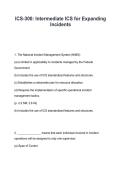
ICS-300: Intermediate ICS for Expanding
Incidents
1. The National Incident Management System (NIMS):
(a) Is limited in applicability to incidents managed by the Federal
Government.
(b) Includes the use of ICS standardized features and structures.
(c) Establishes a nationwide plan for resource allocation.
(d) Requires the implementation of specific operational incident
management tactics.
(p. 2.2 SM, 2.6 IG)
(b) Includes the use of ICS standardized features and structures.
2. _________________ means that each individual involved in incident
operations will be assigned to only one supervisor.
(a) Span of Control
0;ICS-300;
Intermediate
ICS-300;
Intermediate
ICSIntermediate
for Expanding
ICS for Expanding
ICSIncidents.pdf!!!!!!!!!!!!!!!!!!!!!!!~~~~~~~~~~~~~~~~~~~~~~~~~~~~~@@@@@@@@@@@@@@@@@@@@!!!!!!!!!!!!!!!!!!!!!!!!!!!!!
for Expanding
Incidents.pdf!!!!!!!!!!!!!!!!!!!!!!!~~~~~~~~~~~~~~~~~~~~~~~~~~~~~@@@@@@@@@@@@@@@@@@@@!!!!!!!!!!!!!!!!!!!!!!!!!!!!!
Incidents.pdf!!!!!!!!!!!!!!!!!!!!!!!~~~~~~~~~~~~~~~~~~~~~~~~~~~~~@@@@@@@@@@@@@@@@@@@@!!!!!!!!!!!!!!!!!!
,0;ICS-300;
Intermediate
ICS-300;
Intermediate
ICSIntermediate
for Expanding
ICS for Expanding
ICSIncidents.pdf!!!!!!!!!!!!!!!!!!!!!!!~~~~~~~~~~~~~~~~~~~~~~~~~~~~~@@@@@@@@@@@@@@@@@@@@!!!!!!!!!!!!!!!!!!!!!!!!!!!!!
for Expanding
Incidents.pdf!!!!!!!!!!!!!!!!!!!!!!!~~~~~~~~~~~~~~~~~~~~~~~~~~~~~@@@@@@@@@@@@@@@@@@@@!!!!!!!!!!!!!!!!!!!!!!!!!!!!!
Incidents.pdf!!!!!!!!!!!!!!!!!!!!!!!~~~~~~~~~~~~~~~~~~~~~~~~~~~~~@@@@@@@@@@@@@@@@@@@@!!!!!!!!!!!!!!!!!!
(b) Unity of Command
(c) Supervisor Authority
(d) Unified Command
(p. 2.7 SM; 2.14 IG)
(b) Unity of Command
3. Agency Executives/Senior Officials:
(a) Conduct an assessment of the incident and direct the tactical operations
at the incident scene.
(b) Establish the incident objectives and write the incident action plan.
(c) Identify potential safety hazards and develop strategies to mitigate the
hazards.
(d) Provide strategic direction and delegate the authority needed to
accomplish the incident objectives.
(p. 2.10 SM, 2.19 IG)
(d) Provide strategic direction and delegate the authority needed to
accomplish the incident objectives.
0;ICS-300;
Intermediate
ICS-300;
Intermediate
ICSIntermediate
for Expanding
ICS for Expanding
ICSIncidents.pdf!!!!!!!!!!!!!!!!!!!!!!!~~~~~~~~~~~~~~~~~~~~~~~~~~~~~@@@@@@@@@@@@@@@@@@@@!!!!!!!!!!!!!!!!!!!!!!!!!!!!!
for Expanding
Incidents.pdf!!!!!!!!!!!!!!!!!!!!!!!~~~~~~~~~~~~~~~~~~~~~~~~~~~~~@@@@@@@@@@@@@@@@@@@@!!!!!!!!!!!!!!!!!!!!!!!!!!!!!
Incidents.pdf!!!!!!!!!!!!!!!!!!!!!!!~~~~~~~~~~~~~~~~~~~~~~~~~~~~~@@@@@@@@@@@@@@@@@@@@!!!!!!!!!!!!!!!!!!
,0;ICS-300;
Intermediate
ICS-300;
Intermediate
ICSIntermediate
for Expanding
ICS for Expanding
ICSIncidents.pdf!!!!!!!!!!!!!!!!!!!!!!!~~~~~~~~~~~~~~~~~~~~~~~~~~~~~@@@@@@@@@@@@@@@@@@@@!!!!!!!!!!!!!!!!!!!!!!!!!!!!!
for Expanding
Incidents.pdf!!!!!!!!!!!!!!!!!!!!!!!~~~~~~~~~~~~~~~~~~~~~~~~~~~~~@@@@@@@@@@@@@@@@@@@@!!!!!!!!!!!!!!!!!!!!!!!!!!!!!
Incidents.pdf!!!!!!!!!!!!!!!!!!!!!!!~~~~~~~~~~~~~~~~~~~~~~~~~~~~~@@@@@@@@@@@@@@@@@@@@!!!!!!!!!!!!!!!!!!
We have an expert-written solution to this problem!
4. The organizational elements at the incident that can order resources
include the:
Incident Commander
Logistics Section Chief
____________________
(a) Supply Unit Leader (Logistics Section)
(b) Group Supervisor (Operations Section)
(c) Resources Unit Leader (Planning Section)
(d) Liaison Officer (Command Staff)
(p. 6.8 SM, 6.18 IG)
(a) Supply Unit Leader (Logistics Section)
5. These levels of the ICS organization may have Deputy positions:
Branch
Incident Commander
___________
(a) Section
0;ICS-300;
Intermediate
ICS-300;
Intermediate
ICSIntermediate
for Expanding
ICS for Expanding
ICSIncidents.pdf!!!!!!!!!!!!!!!!!!!!!!!~~~~~~~~~~~~~~~~~~~~~~~~~~~~~@@@@@@@@@@@@@@@@@@@@!!!!!!!!!!!!!!!!!!!!!!!!!!!!!
for Expanding
Incidents.pdf!!!!!!!!!!!!!!!!!!!!!!!~~~~~~~~~~~~~~~~~~~~~~~~~~~~~@@@@@@@@@@@@@@@@@@@@!!!!!!!!!!!!!!!!!!!!!!!!!!!!!
Incidents.pdf!!!!!!!!!!!!!!!!!!!!!!!~~~~~~~~~~~~~~~~~~~~~~~~~~~~~@@@@@@@@@@@@@@@@@@@@!!!!!!!!!!!!!!!!!!
Intermediate
ICS-300;
Intermediate
ICSIntermediate
for Expanding
ICS for Expanding
ICSIncidents.pdf!!!!!!!!!!!!!!!!!!!!!!!~~~~~~~~~~~~~~~~~~~~~~~~~~~~~@@@@@@@@@@@@@@@@@@@@!!!!!!!!!!!!!!!!!!!!!!!!!!!!!
for Expanding
Incidents.pdf!!!!!!!!!!!!!!!!!!!!!!!~~~~~~~~~~~~~~~~~~~~~~~~~~~~~@@@@@@@@@@@@@@@@@@@@!!!!!!!!!!!!!!!!!!!!!!!!!!!!!
Incidents.pdf!!!!!!!!!!!!!!!!!!!!!!!~~~~~~~~~~~~~~~~~~~~~~~~~~~~~@@@@@@@@@@@@@@@@@@@@!!!!!!!!!!!!!!!!!!
ICS-300: Intermediate ICS for Expanding
Incidents
1. The National Incident Management System (NIMS):
(a) Is limited in applicability to incidents managed by the Federal
Government.
(b) Includes the use of ICS standardized features and structures.
(c) Establishes a nationwide plan for resource allocation.
(d) Requires the implementation of specific operational incident
management tactics.
(p. 2.2 SM, 2.6 IG)
(b) Includes the use of ICS standardized features and structures.
2. _________________ means that each individual involved in incident
operations will be assigned to only one supervisor.
(a) Span of Control
0;ICS-300;
Intermediate
ICS-300;
Intermediate
ICSIntermediate
for Expanding
ICS for Expanding
ICSIncidents.pdf!!!!!!!!!!!!!!!!!!!!!!!~~~~~~~~~~~~~~~~~~~~~~~~~~~~~@@@@@@@@@@@@@@@@@@@@!!!!!!!!!!!!!!!!!!!!!!!!!!!!!
for Expanding
Incidents.pdf!!!!!!!!!!!!!!!!!!!!!!!~~~~~~~~~~~~~~~~~~~~~~~~~~~~~@@@@@@@@@@@@@@@@@@@@!!!!!!!!!!!!!!!!!!!!!!!!!!!!!
Incidents.pdf!!!!!!!!!!!!!!!!!!!!!!!~~~~~~~~~~~~~~~~~~~~~~~~~~~~~@@@@@@@@@@@@@@@@@@@@!!!!!!!!!!!!!!!!!!
,0;ICS-300;
Intermediate
ICS-300;
Intermediate
ICSIntermediate
for Expanding
ICS for Expanding
ICSIncidents.pdf!!!!!!!!!!!!!!!!!!!!!!!~~~~~~~~~~~~~~~~~~~~~~~~~~~~~@@@@@@@@@@@@@@@@@@@@!!!!!!!!!!!!!!!!!!!!!!!!!!!!!
for Expanding
Incidents.pdf!!!!!!!!!!!!!!!!!!!!!!!~~~~~~~~~~~~~~~~~~~~~~~~~~~~~@@@@@@@@@@@@@@@@@@@@!!!!!!!!!!!!!!!!!!!!!!!!!!!!!
Incidents.pdf!!!!!!!!!!!!!!!!!!!!!!!~~~~~~~~~~~~~~~~~~~~~~~~~~~~~@@@@@@@@@@@@@@@@@@@@!!!!!!!!!!!!!!!!!!
(b) Unity of Command
(c) Supervisor Authority
(d) Unified Command
(p. 2.7 SM; 2.14 IG)
(b) Unity of Command
3. Agency Executives/Senior Officials:
(a) Conduct an assessment of the incident and direct the tactical operations
at the incident scene.
(b) Establish the incident objectives and write the incident action plan.
(c) Identify potential safety hazards and develop strategies to mitigate the
hazards.
(d) Provide strategic direction and delegate the authority needed to
accomplish the incident objectives.
(p. 2.10 SM, 2.19 IG)
(d) Provide strategic direction and delegate the authority needed to
accomplish the incident objectives.
0;ICS-300;
Intermediate
ICS-300;
Intermediate
ICSIntermediate
for Expanding
ICS for Expanding
ICSIncidents.pdf!!!!!!!!!!!!!!!!!!!!!!!~~~~~~~~~~~~~~~~~~~~~~~~~~~~~@@@@@@@@@@@@@@@@@@@@!!!!!!!!!!!!!!!!!!!!!!!!!!!!!
for Expanding
Incidents.pdf!!!!!!!!!!!!!!!!!!!!!!!~~~~~~~~~~~~~~~~~~~~~~~~~~~~~@@@@@@@@@@@@@@@@@@@@!!!!!!!!!!!!!!!!!!!!!!!!!!!!!
Incidents.pdf!!!!!!!!!!!!!!!!!!!!!!!~~~~~~~~~~~~~~~~~~~~~~~~~~~~~@@@@@@@@@@@@@@@@@@@@!!!!!!!!!!!!!!!!!!
,0;ICS-300;
Intermediate
ICS-300;
Intermediate
ICSIntermediate
for Expanding
ICS for Expanding
ICSIncidents.pdf!!!!!!!!!!!!!!!!!!!!!!!~~~~~~~~~~~~~~~~~~~~~~~~~~~~~@@@@@@@@@@@@@@@@@@@@!!!!!!!!!!!!!!!!!!!!!!!!!!!!!
for Expanding
Incidents.pdf!!!!!!!!!!!!!!!!!!!!!!!~~~~~~~~~~~~~~~~~~~~~~~~~~~~~@@@@@@@@@@@@@@@@@@@@!!!!!!!!!!!!!!!!!!!!!!!!!!!!!
Incidents.pdf!!!!!!!!!!!!!!!!!!!!!!!~~~~~~~~~~~~~~~~~~~~~~~~~~~~~@@@@@@@@@@@@@@@@@@@@!!!!!!!!!!!!!!!!!!
We have an expert-written solution to this problem!
4. The organizational elements at the incident that can order resources
include the:
Incident Commander
Logistics Section Chief
____________________
(a) Supply Unit Leader (Logistics Section)
(b) Group Supervisor (Operations Section)
(c) Resources Unit Leader (Planning Section)
(d) Liaison Officer (Command Staff)
(p. 6.8 SM, 6.18 IG)
(a) Supply Unit Leader (Logistics Section)
5. These levels of the ICS organization may have Deputy positions:
Branch
Incident Commander
___________
(a) Section
0;ICS-300;
Intermediate
ICS-300;
Intermediate
ICSIntermediate
for Expanding
ICS for Expanding
ICSIncidents.pdf!!!!!!!!!!!!!!!!!!!!!!!~~~~~~~~~~~~~~~~~~~~~~~~~~~~~@@@@@@@@@@@@@@@@@@@@!!!!!!!!!!!!!!!!!!!!!!!!!!!!!
for Expanding
Incidents.pdf!!!!!!!!!!!!!!!!!!!!!!!~~~~~~~~~~~~~~~~~~~~~~~~~~~~~@@@@@@@@@@@@@@@@@@@@!!!!!!!!!!!!!!!!!!!!!!!!!!!!!
Incidents.pdf!!!!!!!!!!!!!!!!!!!!!!!~~~~~~~~~~~~~~~~~~~~~~~~~~~~~@@@@@@@@@@@@@@@@@@@@!!!!!!!!!!!!!!!!!!


