2026 UPDATE
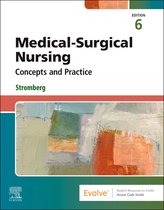
MEDICAL-SURGICAL NURSING: CONCEPTS AND
PRACTICE
6th Edition
Holly K. Stromberg
COMPLETE ORIGINAL TEST BANK
1,500 Questions • Correct Answers • Detailed Rationales
NCLEX-PN & NGN • Clinical Judgment • Chapter-by-Chapter Review
,Resource Coverage
Resource Coverage
Questions 1,500
Chapters 49
4-option multiple choice; correct answer and
Format
detailed rationale after each item
LPN/LVN medical-surgical nursing, clinical
Focus judgment, medication safety, patient teaching,
and common adult health disorders
Format Note: Questions are numbered continuously from 1 to 1,500. There is no separate
answer key; each answer and rationale follows its question.
,Chapter 1: Caring for Medical-Surgical Patients
1. When evaluating a patient for postoperative atelectasis, which cue deserves the
greatest diagnostic weight?
A. low-grade fever, diminished bases, shallow breathing, and reduced oxygenation
B. increasing pain, redness, purulent drainage, fever, or wound separation
C. abdominal distention, nausea, absent bowel function, and intolerance of intake
D. suprapubic discomfort with inability to void after anesthesia
Answer: A. low-grade fever, diminished bases, shallow breathing, and reduced
oxygenation
Rationale: The finding 'low-grade fever, diminished bases, shallow breathing, and reduced
oxygenation' is the best match for postoperative atelectasis. Recognizing this pattern supports
timely clinical judgment and helps the nurse watch for pneumonia or hypoxemia.
2. The nurse is gathering objective data related to anticoagulant management. Which
approach best supports the plan of care?
A. risk assessment and symptom monitoring
B. medication reconciliation and coagulation/renal assessment
C. wound assessment, cultures, and CBC
D. clinical recognition plus labs for acidosis, potassium, CK, coagulation
Answer: B. medication reconciliation and coagulation/renal assessment
Rationale: The most useful evaluation is medication reconciliation and coagulation/renal
assessment. These data help assess anticoagulant management, guide treatment, and detect
deterioration or complications such as surgical bleeding or thrombosis.
3. The nurse is updating the plan of care for venous thromboembolism prevention. Which
action best reflects the priority of care?
A. open the airway, reposition, suction, and provide oxygen/ventilatory support
B. stop triggering agents, give dantrolene, cool, and support organ function
C. use early ambulation, mechanical prophylaxis, and anticoagulants as prescribed
D. promote deep breathing, incentive spirometry, analgesia, and early mobility
, Answer: C. use early ambulation, mechanical prophylaxis, and anticoagulants as
prescribed
Rationale: The priority is to use early ambulation, mechanical prophylaxis, and anticoagulants
as prescribed. This action directly addresses the immediate problem associated with venous
thromboembolism prevention and helps reduce the risk of DVT or pulmonary embolism.
4. Which complication best explains why close monitoring is necessary for postoperative
hemorrhage?
A. hemorrhagic shock
B. aspiration or prolonged hospitalization
C. hypoxic injury
D. surgical bleeding or thrombosis
Answer: A. hemorrhagic shock
Rationale: Hemorrhagic shock is a major complication associated with postoperative
hemorrhage. Nursing care therefore emphasizes early recognition and the priority action to
activate urgent evaluation, support circulation, and prepare blood products if prescribed.
5. Which home-care instruction is most appropriate for a patient with malignant
hyperthermia?
A. report rapidly increasing drainage, dizziness, or faintness
B. perform leg exercises and ambulate as directed
C. void at regular intervals and report inability to urinate
D. report personal or family anesthesia reactions before surgery
Answer: D. report personal or family anesthesia reactions before surgery
Rationale: This instruction (report personal or family anesthesia reactions before surgery)
supports safer self-management of malignant hyperthermia and helps reduce the risk of cardiac
arrest, rhabdomyolysis, or DIC.
6. Which assessment cue should the nurse recognize as most relevant to surgical site
infection in the context of Caring for Medical-Surgical Patients?
A. low-grade fever, diminished bases, shallow breathing, and reduced oxygenation
B. rapid rise in end-tidal CO2, muscle rigidity, tachycardia, and hyperthermia during
anesthesia
C. increasing pain, redness, purulent drainage, fever, or wound separation
D. suprapubic discomfort with inability to void after anesthesia
MEDICAL-SURGICAL NURSING: CONCEPTS AND
PRACTICE
6th Edition
Holly K. Stromberg
COMPLETE ORIGINAL TEST BANK
1,500 Questions • Correct Answers • Detailed Rationales
NCLEX-PN & NGN • Clinical Judgment • Chapter-by-Chapter Review
,Resource Coverage
Resource Coverage
Questions 1,500
Chapters 49
4-option multiple choice; correct answer and
Format
detailed rationale after each item
LPN/LVN medical-surgical nursing, clinical
Focus judgment, medication safety, patient teaching,
and common adult health disorders
Format Note: Questions are numbered continuously from 1 to 1,500. There is no separate
answer key; each answer and rationale follows its question.
,Chapter 1: Caring for Medical-Surgical Patients
1. When evaluating a patient for postoperative atelectasis, which cue deserves the
greatest diagnostic weight?
A. low-grade fever, diminished bases, shallow breathing, and reduced oxygenation
B. increasing pain, redness, purulent drainage, fever, or wound separation
C. abdominal distention, nausea, absent bowel function, and intolerance of intake
D. suprapubic discomfort with inability to void after anesthesia
Answer: A. low-grade fever, diminished bases, shallow breathing, and reduced
oxygenation
Rationale: The finding 'low-grade fever, diminished bases, shallow breathing, and reduced
oxygenation' is the best match for postoperative atelectasis. Recognizing this pattern supports
timely clinical judgment and helps the nurse watch for pneumonia or hypoxemia.
2. The nurse is gathering objective data related to anticoagulant management. Which
approach best supports the plan of care?
A. risk assessment and symptom monitoring
B. medication reconciliation and coagulation/renal assessment
C. wound assessment, cultures, and CBC
D. clinical recognition plus labs for acidosis, potassium, CK, coagulation
Answer: B. medication reconciliation and coagulation/renal assessment
Rationale: The most useful evaluation is medication reconciliation and coagulation/renal
assessment. These data help assess anticoagulant management, guide treatment, and detect
deterioration or complications such as surgical bleeding or thrombosis.
3. The nurse is updating the plan of care for venous thromboembolism prevention. Which
action best reflects the priority of care?
A. open the airway, reposition, suction, and provide oxygen/ventilatory support
B. stop triggering agents, give dantrolene, cool, and support organ function
C. use early ambulation, mechanical prophylaxis, and anticoagulants as prescribed
D. promote deep breathing, incentive spirometry, analgesia, and early mobility
, Answer: C. use early ambulation, mechanical prophylaxis, and anticoagulants as
prescribed
Rationale: The priority is to use early ambulation, mechanical prophylaxis, and anticoagulants
as prescribed. This action directly addresses the immediate problem associated with venous
thromboembolism prevention and helps reduce the risk of DVT or pulmonary embolism.
4. Which complication best explains why close monitoring is necessary for postoperative
hemorrhage?
A. hemorrhagic shock
B. aspiration or prolonged hospitalization
C. hypoxic injury
D. surgical bleeding or thrombosis
Answer: A. hemorrhagic shock
Rationale: Hemorrhagic shock is a major complication associated with postoperative
hemorrhage. Nursing care therefore emphasizes early recognition and the priority action to
activate urgent evaluation, support circulation, and prepare blood products if prescribed.
5. Which home-care instruction is most appropriate for a patient with malignant
hyperthermia?
A. report rapidly increasing drainage, dizziness, or faintness
B. perform leg exercises and ambulate as directed
C. void at regular intervals and report inability to urinate
D. report personal or family anesthesia reactions before surgery
Answer: D. report personal or family anesthesia reactions before surgery
Rationale: This instruction (report personal or family anesthesia reactions before surgery)
supports safer self-management of malignant hyperthermia and helps reduce the risk of cardiac
arrest, rhabdomyolysis, or DIC.
6. Which assessment cue should the nurse recognize as most relevant to surgical site
infection in the context of Caring for Medical-Surgical Patients?
A. low-grade fever, diminished bases, shallow breathing, and reduced oxygenation
B. rapid rise in end-tidal CO2, muscle rigidity, tachycardia, and hyperthermia during
anesthesia
C. increasing pain, redness, purulent drainage, fever, or wound separation
D. suprapubic discomfort with inability to void after anesthesia