NUR 211 EXAM 2 PRACTICE QUESTIONS AND ANSWERS: CARDIAC FOCUS
1. A nurse working on a telemetry unit understands that a patient with which arrhythmia wo
cn cn cn cn cn cn cn cn cn cn cn cn cn cn
uld most likely need a pacemaker?
cn cn cn cn cn
a. Ventricular fibrillation cn
b. Atrial fibrillation cn
c. Third degree heart block cn cn cn
d. First degree AV block cn cn cn
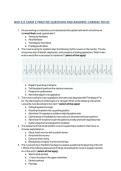
2. The nurse is caring for a patient when the following rhythm is seen on the monitor. The clie
cn cn cn cn cn cn cn cn cn cn cn cn cn cn cn cn cn
nt becomes short of breath, diaphoretic, and complains of feeling palpitations. Which interv
cn cn cn cn cn cn cn cn cn cn cn cn
entions would the nurse expect to implement? (select all that apply)
cn cn cn cn cn cn cn cn cn cn
a. Rapid IV push 6mg of atropine cn cn cn cn cn
b. Tell the patient to perform the valsalva maneuvercn cn cn cn cn cn cn
c. Prepare for cardioversion cn cn
d. Administer digoxin via suppository cn cn cn
3. The nurse is caring for a young pediatric client who was diagnosed with Tetralogy of Fal
cn cn cn cn cn cn cn cn cn cn cn cn cn cn cn
lot. The client begins to exhibit signs of a Tet spell. Which of the following intervention
cn cn cn cn cn cn cn cn cn cn cn cn cn cn cn
s would be most beneficial to the client? (select all that apply)
cn cn cn cn cn cn cn cn cn cn cn
a. Telling the patient to cough cn cn cn cn
b. Assisting the patient into a squatting position cn cn cn cn cn cn
c. Administer IV magnesium sulfate to help the patient relax cn cn cn cn cn cn cn cn
d. Call the doctor immediately for instructions on what interventions to perform
cn cn cn cn cn cn cn cn cn cn
e. Administer IV morphine to calm the patient’s anxiety and lower respiratory rate cn cn cn cn cn cn cn cn cn cn cn
f. Gather equipment and prepare for intubation cn cn cn cn cn
4. The assessment that would lead the nurse to suspect that a newborn infant has a ve
cn cn cn cn cn cn cn cn cn cn cn cn cn cn cn
ntricular septal defect is: cn cn cn
a. Aloud, harsh murmur with a systolic tremor
cn cn cn cn cn cn cn
b. A machine like murmur cn cn cn
c. Cyanosis when crying cn cn
d. Blood pressure higher in arms than the legs cn cn cn cn cn cn cn
5. The nurse working in the NICU has begun to assess a patient at the beginning of the shif
cn cn cn cn cn cn cn cn cn cn cn cn cn cn cn cn cn
t. Which of the following assessment findings should lead the nurse to suspect coarctat
cn cn cn cn cn cn cn cn cn cn cn cn cn
ion of the aorta? (select all that apply)
cn cn cn cn cn cn cn
a. Warm hands and feet cn cn cn
b. +3 and +4 pulses in the upper extremities
c n cn cn cn cn cn cn cn
c. Severe cyanosis cn
d. Pale legs cn
, e. Systolic ejection murmur
cn cn
1. A nurse working on a telemetry unit understands that a patient with which arrhythmia wo
cn cn cn cn cn cn cn cn cn cn cn cn cn cn
uld most likely need a pacemaker?
cn cn cn cn cn
a. Ventricular fibrillation cn
b. Atrial fibrillation cn
c. Third degree heart block cn cn cn
d. First degree AV block cn cn cn
2. The nurse is caring for a patient when the following rhythm is seen on the monitor. The clie
cn cn cn cn cn cn cn cn cn cn cn cn cn cn cn cn cn
nt becomes short of breath, diaphoretic, and complains of feeling palpitations. Which interv
cn cn cn cn cn cn cn cn cn cn cn cn
entions would the nurse expect to implement? (select all that apply)
cn cn cn cn cn cn cn cn cn cn
a. Rapid IV push 6mg of atropine cn cn cn cn cn
b. Tell the patient to perform the valsalva maneuvercn cn cn cn cn cn cn
c. Prepare for cardioversion cn cn
d. Administer digoxin via suppository cn cn cn
3. The nurse is caring for a young pediatric client who was diagnosed with Tetralogy of Fal
cn cn cn cn cn cn cn cn cn cn cn cn cn cn cn
lot. The client begins to exhibit signs of a Tet spell. Which of the following intervention
cn cn cn cn cn cn cn cn cn cn cn cn cn cn cn
s would be most beneficial to the client? (select all that apply)
cn cn cn cn cn cn cn cn cn cn cn
a. Telling the patient to cough cn cn cn cn
b. Assisting the patient into a squatting position cn cn cn cn cn cn
c. Administer IV magnesium sulfate to help the patient relax cn cn cn cn cn cn cn cn
d. Call the doctor immediately for instructions on what interventions to perform
cn cn cn cn cn cn cn cn cn cn
e. Administer IV morphine to calm the patient’s anxiety and lower respiratory rate cn cn cn cn cn cn cn cn cn cn cn
f. Gather equipment and prepare for intubation cn cn cn cn cn
4. The assessment that would lead the nurse to suspect that a newborn infant has a ve
cn cn cn cn cn cn cn cn cn cn cn cn cn cn cn
ntricular septal defect is: cn cn cn
a. Aloud, harsh murmur with a systolic tremor
cn cn cn cn cn cn cn
b. A machine like murmur cn cn cn
c. Cyanosis when crying cn cn
d. Blood pressure higher in arms than the legs cn cn cn cn cn cn cn
5. The nurse working in the NICU has begun to assess a patient at the beginning of the shif
cn cn cn cn cn cn cn cn cn cn cn cn cn cn cn cn cn
t. Which of the following assessment findings should lead the nurse to suspect coarctat
cn cn cn cn cn cn cn cn cn cn cn cn cn
ion of the aorta? (select all that apply)
cn cn cn cn cn cn cn
a. Warm hands and feet cn cn cn
b. +3 and +4 pulses in the upper extremities
c n cn cn cn cn cn cn cn
c. Severe cyanosis cn
d. Pale legs cn
, e. Systolic ejection murmur
cn cn