

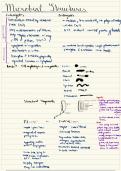
Microbial Structure
Element Learning Outcomes: -Identify, describe, and compare the main structural features of bacteria, viruses, protozoa, fungi, helminths, and yeasts. -Explain the key structural differences between prokaryotic and eukaryotic cells and discuss the implications of these differences for cellular function and antimicrobial treatment approaches. -Recognise and apply the terms for bacterial cell morphologies and arrangements. -Compare and contrast the mechanisms of viral replication and bacterial and fungal reproduction, highlighting the unique challenges faced by each, and discuss how genetic information is transferred between bacteria. -Analyse the structure and role of microbial appendages and extracellular components (flagella, pili, fimbriae, glycocalyx, cilia, etc.) in survival, pathogenesis, and interactions with the environment. -Compare and contrast (in words and diagrammatically) Gram-positive and Gram-negative cell envelopes. -Explain at the cellular/molecular level why Gram-positive cells stain purple and Gram-negatives pink in the Gram stain. -Describe the generalised structure of a viral particle including location and molecular make-up of genetic material, capsid, and envelope.
Document information
- Study
- Medicine
- Uploaded on
- August 19, 2026
- Number of pages
- 4
- Written in
- 2025/2026
- Type
- Class notes
- Professor(s)
- Dr andreas haag
- Contains
- All classes


