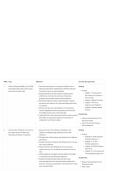
,Week Topic Objectives Activities & Assignments
3 Common Complaints of the Respiratory 1. Distinguish between common complaints and problems of Reading
and Cardiovascular System the respiratory and cardiovascular systems.
2. Promote safety and quality patient outcomes through Dunphy
subjective and objective data-collection techniques to Chapters 28-33 Respiratory
develop actual and differential diagnoses for the mature Problems (Section 5)
and aging individuals. Chapters 34-37
3. Develop an evidence-based treatment plan using Cardiovascular Problems
pharmacological and non-pharmacological measures for (Section 6
problems of the respiratory and cardiovascular systems.
Assignments
4. Incorporate cultural preferences, values, health beliefs, and
behaviors into health care for mature and aging individuals. Respond and participate in the
discussion board.
4 Common Complaints of the Abdomen 1. Analyze common complaints and problems of the Reading
and Renal System, and Men's Health abdomen and renal systems, as well as common
challenges in men’s health. Dunphy
2. Integrate theory and best evidence appropriate to the care Chapters 38-42 Abdominal
of adult and geriatric patients affected with abdominal, Problems (Section 7)
renal, and men’s health problems. Chapters 43-45 Renal
3. Manage the adult-gerontology population within a complex Problem (Section 8)
healthcare delivery system. Chapters 50-51 Gender
4. Integrate theories, research, and experiential knowledge into Related Problems - Male
advanced adult-gerontology nursing practice. (Section 9
5. Apply management and leadership concepts to improve
Assignments
health outcomes for mature and aging individuals with
gastrointestinal, renal, and urologic disorders, including Respond and participate in the
electrolyte and acid-base disorders. discussion board.
Week 4 Quiz.
5 Women's Issues and Gynecology, 1. Analyze women’s health issues, and musculoskeletal and Reading
Musculoskeletal, and Other Internal other internal medicine problems encountered in primary
Medicine Conditions care practice. Dunphy
2. Analyze treatment decisions based on patient values, Chapters 46, 47, 48, 49, 52
preferences, and resources while also considering Gender Related Problems -
guidelines and research-based recommendations. Female (Section 9)
3. Synthesize health promotion, health protection, disease Chapters 53-56
prevention, and treatment for mature and aging individuals Musculoskeletal Problems
and families. (Section 10
4. Utilize established standards and guidelines for
Assignments
management of common gynecology, musculoskeletal
problems, and other internal medicine conditions in primary Respond and participate in the
care. discussion board.
5. Utilize subjective and objective data collection techniques to Signature Assignment
develop actual and differential diagnoses.
6 Hematological and Immune Diagnoses 1. Discuss the challenges of patients presenting with Reading
and Common Endocrine and Metabolic hematological and immune diagnoses in primary care
Problems practice. Dunphy
2. Analyze common endocrine and metabolic problems Chapters 57–60 Endocrine
encountered in primary care practice. and Metabolic Problems
3. Utilize subjective and objective data-collection techniques (section 11)
to develop actual and differential diagnoses. Chapters 61–64
4. Develop an evidence-based treatment plan using Hematological and
pharmacological and non-pharmacological measures. Immunological Problems
5. Demonstrate diagnostic reasoning that will assist in health (section 12)
promotion and illness management of common health
Assignments
problems.
Respond and participate in the
discussion board.
On-Site Intensive
Week 6 Quiz
, Week Topic Objectives Activities & Assignments
7 Common Psychosocial Complaints and 1. Discuss common psychosocial complaints and mood Reading
Mood Disorders and Common disorders encountered in primary care practice.
Emergency Problems, Cold-related 2. Explain common emergency problems, cold-related Dunphy
Illnesses and Injuries illnesses, common injuries, and disaster planning. Chapters 65–74
3. Promote safety and quality patient outcomes through Psychosocial Problems
subjective and objective data-collection techniques to (section 13)
develop actual and differential diagnoses for the adult and Chapters 75–76 Urgent Care
geriatric population. Problems (section 14)
4. Develop an evidence-based treatment plan using Chapter 82 Primary Care of
pharmacological and non-pharmacological measures. Older Adults (Unit III, section
5. Incorporate cultural preferences, values, health beliefs, and 1)
behaviors into health care for the adult and geriatric
Assignments
population.
Respond and participate in the
discussion board.
8 Chronically Ill Patients, Management and 1. Discuss the goal of treatment for chronically ill patients at Reading
Leadership Concepts, and Legal and the terminal phase, including management of symptoms at
Ethical Principles the end of life. Dunphy
2. Apply management and leadership concepts to improve Chapter 84 Palliative Care
health outcomes for the adult and geriatric population. and End-of-Life Care
3. Apply legal, ethical and human-caring principles to Chapter 85 Ethical and Legal
situations in advanced practice registered nursing. Issues of a Caring-Based
4. Practice safe, high-quality advanced nursing care based on Practice
concepts and knowledge from nursing and related Chapter 87 Primary Care
disciplines. Approaches to Behavioral
5. Describe the process of self-care management and the Health
implications it has on the advanced practice registered Chapter 88 Putting Caring
nurse. Into Practice: Caring for Self
Assignments
Respond and participate in the
discussion board.
Comprehensive Exam
Institutional Policies
University Mission
At West Coast University, we embrace a student-centric learning partnership that leads to professional success. We deliver transformational
education within a culture of integrity and personal accountability. We design market-responsive programs through collaboration between
faculty and industry professionals. We continuously pursue more effective and innovative ways through which students develop the
competencies and confidence required in a complex and changing world.
Institutional Learning Outcomes
Institutional learning outcomes are designed by the University as a whole, taking into account the role that both instruction and student
services play in contributing to a student's success. Institutional learning outcomes assume achievement of the stated programmatic learning
outcomes of one's discipline. Upon graduating from a degree program offered by West Coast University, students will be able to:
1. Implement intellectual and practical problem solving skills through information assessment and critical thinking.
2. Demonstrate effective written communication skills.
3. Demonstrate effective oral communication skills.
4. Demonstrate computer proficiency and information literacy.
5. Describe ethical standards and legal guidelines associated with one’s chosen career field.
6. Explain why knowledge of and respect for the societal contributions of diverse cultures and perspectives is an important quality in one’s
discipline.
,
Contents Caring and the Advanced Practice Current Diagnostic Process Trends
Unit I Caring-Based Nursing: The Art Nurse
Documentation
1 Caring
Reduction of Medical Errors
Primary Care in the Twenty-First Caring Processes
Century: A Circle of Caring The Digital Future and Telehealth
3
Artificial Intelligence
Where We Are and Where We Are Health Promotion
Going Precision Health Care
The Tip of the Iceberg Health Ethics
Prevention as Health Promotion Health Promotion 5
Historical Perspectives on Advanced Risk Factors in Health Promotion Evidence-Based Practice
Practice Nursing
Influences on Health Promotion The Aims of Nursing Research for
Changing Models of Advanced Nursing Clinical Application
Practice Practical Epidemiology
A Brief History of Evidence-Based
Changing Models of Medical Practice Conclusion Practice
A Transformative Template: The Circle 4 Development of Best Practice
of Caring Guidelines
The Art of Diagnosis and Treatment
Interprofessional Care: From Patient to Application of Clinical Practice
Population Clinical Judgment in Primary Care Guidelines
Further Understanding the Circle of The Clinical Process and Its Limitations Searching the Literature
Caring
Diagnostic Process Overview Developing a Point-of-Care Strategy
2
Elements of the Diagnostic Process EBP Clinical Decision Making
3 Common Complaints of the Respiratory 1. Distinguish between common complaints and problems of Reading
and Cardiovascular System the respiratory and cardiovascular systems.
2. Promote safety and quality patient outcomes through Dunphy
subjective and objective data-collection techniques to Chapters 28-33 Respiratory
develop actual and differential diagnoses for the mature Problems (Section 5)
and aging individuals. Chapters 34-37
3. Develop an evidence-based treatment plan using Cardiovascular Problems
pharmacological and non-pharmacological measures for (Section 6
problems of the respiratory and cardiovascular systems.
Assignments
4. Incorporate cultural preferences, values, health beliefs, and
behaviors into health care for mature and aging individuals. Respond and participate in the
discussion board.
4 Common Complaints of the Abdomen 1. Analyze common complaints and problems of the Reading
and Renal System, and Men's Health abdomen and renal systems, as well as common
challenges in men’s health. Dunphy
2. Integrate theory and best evidence appropriate to the care Chapters 38-42 Abdominal
of adult and geriatric patients affected with abdominal, Problems (Section 7)
renal, and men’s health problems. Chapters 43-45 Renal
3. Manage the adult-gerontology population within a complex Problem (Section 8)
healthcare delivery system. Chapters 50-51 Gender
4. Integrate theories, research, and experiential knowledge into Related Problems - Male
advanced adult-gerontology nursing practice. (Section 9
5. Apply management and leadership concepts to improve
Assignments
health outcomes for mature and aging individuals with
gastrointestinal, renal, and urologic disorders, including Respond and participate in the
electrolyte and acid-base disorders. discussion board.
Week 4 Quiz.
5 Women's Issues and Gynecology, 1. Analyze women’s health issues, and musculoskeletal and Reading
Musculoskeletal, and Other Internal other internal medicine problems encountered in primary
Medicine Conditions care practice. Dunphy
2. Analyze treatment decisions based on patient values, Chapters 46, 47, 48, 49, 52
preferences, and resources while also considering Gender Related Problems -
guidelines and research-based recommendations. Female (Section 9)
3. Synthesize health promotion, health protection, disease Chapters 53-56
prevention, and treatment for mature and aging individuals Musculoskeletal Problems
and families. (Section 10
4. Utilize established standards and guidelines for
Assignments
management of common gynecology, musculoskeletal
problems, and other internal medicine conditions in primary Respond and participate in the
care. discussion board.
5. Utilize subjective and objective data collection techniques to Signature Assignment
develop actual and differential diagnoses.
6 Hematological and Immune Diagnoses 1. Discuss the challenges of patients presenting with Reading
and Common Endocrine and Metabolic hematological and immune diagnoses in primary care
Problems practice. Dunphy
2. Analyze common endocrine and metabolic problems Chapters 57–60 Endocrine
encountered in primary care practice. and Metabolic Problems
3. Utilize subjective and objective data-collection techniques (section 11)
to develop actual and differential diagnoses. Chapters 61–64
4. Develop an evidence-based treatment plan using Hematological and
pharmacological and non-pharmacological measures. Immunological Problems
5. Demonstrate diagnostic reasoning that will assist in health (section 12)
promotion and illness management of common health
Assignments
problems.
Respond and participate in the
discussion board.
On-Site Intensive
Week 6 Quiz
, Week Topic Objectives Activities & Assignments
7 Common Psychosocial Complaints and 1. Discuss common psychosocial complaints and mood Reading
Mood Disorders and Common disorders encountered in primary care practice.
Emergency Problems, Cold-related 2. Explain common emergency problems, cold-related Dunphy
Illnesses and Injuries illnesses, common injuries, and disaster planning. Chapters 65–74
3. Promote safety and quality patient outcomes through Psychosocial Problems
subjective and objective data-collection techniques to (section 13)
develop actual and differential diagnoses for the adult and Chapters 75–76 Urgent Care
geriatric population. Problems (section 14)
4. Develop an evidence-based treatment plan using Chapter 82 Primary Care of
pharmacological and non-pharmacological measures. Older Adults (Unit III, section
5. Incorporate cultural preferences, values, health beliefs, and 1)
behaviors into health care for the adult and geriatric
Assignments
population.
Respond and participate in the
discussion board.
8 Chronically Ill Patients, Management and 1. Discuss the goal of treatment for chronically ill patients at Reading
Leadership Concepts, and Legal and the terminal phase, including management of symptoms at
Ethical Principles the end of life. Dunphy
2. Apply management and leadership concepts to improve Chapter 84 Palliative Care
health outcomes for the adult and geriatric population. and End-of-Life Care
3. Apply legal, ethical and human-caring principles to Chapter 85 Ethical and Legal
situations in advanced practice registered nursing. Issues of a Caring-Based
4. Practice safe, high-quality advanced nursing care based on Practice
concepts and knowledge from nursing and related Chapter 87 Primary Care
disciplines. Approaches to Behavioral
5. Describe the process of self-care management and the Health
implications it has on the advanced practice registered Chapter 88 Putting Caring
nurse. Into Practice: Caring for Self
Assignments
Respond and participate in the
discussion board.
Comprehensive Exam
Institutional Policies
University Mission
At West Coast University, we embrace a student-centric learning partnership that leads to professional success. We deliver transformational
education within a culture of integrity and personal accountability. We design market-responsive programs through collaboration between
faculty and industry professionals. We continuously pursue more effective and innovative ways through which students develop the
competencies and confidence required in a complex and changing world.
Institutional Learning Outcomes
Institutional learning outcomes are designed by the University as a whole, taking into account the role that both instruction and student
services play in contributing to a student's success. Institutional learning outcomes assume achievement of the stated programmatic learning
outcomes of one's discipline. Upon graduating from a degree program offered by West Coast University, students will be able to:
1. Implement intellectual and practical problem solving skills through information assessment and critical thinking.
2. Demonstrate effective written communication skills.
3. Demonstrate effective oral communication skills.
4. Demonstrate computer proficiency and information literacy.
5. Describe ethical standards and legal guidelines associated with one’s chosen career field.
6. Explain why knowledge of and respect for the societal contributions of diverse cultures and perspectives is an important quality in one’s
discipline.
,
Contents Caring and the Advanced Practice Current Diagnostic Process Trends
Unit I Caring-Based Nursing: The Art Nurse
Documentation
1 Caring
Reduction of Medical Errors
Primary Care in the Twenty-First Caring Processes
Century: A Circle of Caring The Digital Future and Telehealth
3
Artificial Intelligence
Where We Are and Where We Are Health Promotion
Going Precision Health Care
The Tip of the Iceberg Health Ethics
Prevention as Health Promotion Health Promotion 5
Historical Perspectives on Advanced Risk Factors in Health Promotion Evidence-Based Practice
Practice Nursing
Influences on Health Promotion The Aims of Nursing Research for
Changing Models of Advanced Nursing Clinical Application
Practice Practical Epidemiology
A Brief History of Evidence-Based
Changing Models of Medical Practice Conclusion Practice
A Transformative Template: The Circle 4 Development of Best Practice
of Caring Guidelines
The Art of Diagnosis and Treatment
Interprofessional Care: From Patient to Application of Clinical Practice
Population Clinical Judgment in Primary Care Guidelines
Further Understanding the Circle of The Clinical Process and Its Limitations Searching the Literature
Caring
Diagnostic Process Overview Developing a Point-of-Care Strategy
2
Elements of the Diagnostic Process EBP Clinical Decision Making