NH Boating License Exam
NH Boating License Exam
Study online at https://quizlet.com/_d0k96p
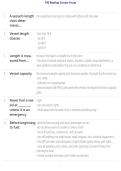
1. A vessel's length the equipment necessary to comply with federal and state laws
class deter-
mines...
2. Vessel length -less than 16 ft
classes -16-26 ft
- 26-40 ft
- 40-65 ft
3. Length is mea- the tip of the bow in a straight line to the stern
sured from... -this doesn't include outboard motors, brackets, rudders, bow attachments, or
swim platforms and ladders that are not a molded part of the hull
4. Vessel capacity the maximum weight capacity and maximum number of people that the vessel can
carry safely
-indicated on a capacity plate
-personal watercraft (PWC) and some other vessels not required to have a capacity
plate
5. Never fuel a ves- night
sel at _________ -use only electric lights
unless it is an -refuel away from the water or on a commercial fueling ramp
emergency
6. Before beginning -dock the boat securely and ask all passengers to exit
to fuel: -do not allow anyone to smoke or strike a match
-check all fuel lines, connections, and fuel vents
-turn off anything that might cause. spark (engines, fans, electrical equipment..)
-shut off fuel valves and extinguish all open flames (galley stoves, pilot lights..._
-close all windows, ports, doors, and other openings to prevent fumes from
entering the boat
-remove portable fuel tanks and fill them on the dock
, NH Boating License Exam
NH Boating License Exam
Study online at https://quizlet.com/_d0k96p
7. While filling the -Keep the nozzle of the fuel-pump hose in contact with the tank opening to prevent
fuel tank: producing a static spark.
-Avoid spilling fuel into the boat's bilge or the water.
-Never fill a tank to the brim—leave room to expand.
8. The most impor- If your vessel is equipped with a power ventilation system, turn it on for at least
tant safe fueling four minutes after fueling and before starting your engine to remove gas vapors
practice? in the bilge
9. After fueling: -wipe up any spilled fuel
-open all windows, ports, doors, and other openings
10. Additional fuel- -do not tip the PWC or ski craft in order to fill it all the way up (if the tank is overfilled
ing procedures it may expand and spill into the water)
for PWC and Ski -after fueling, open the door of the engine compartment and sniff to check for any
crafts evidence of gas fumes (if so, determine source and repair immediately)
11. Fuel selector the switch can help you avoid becoming stranded without fuel
switch on PWC or -use the off position when the engine is turned off
ski craft -use the on position while you are underway
-use the reserve position if you run out of fuel while underway (enough to return
to shore, remember to switch back to on after refueling)
12. Preventing theft -store your vessel so it is not easily accessed
-chain and lock the motor and fuel tanks to the vessel
-mark or engrave all equipment with an identifier (drivers license number, etc)
-photograph or video the interior and exterior of your vessel, showing all gear and
equipment (make a complete inventory)
-remove expensive electronics/valuables if the vessel is left unattended
-cover your vessel and always remove the keys
-title and register your vessel
13. Float plan
, NH Boating License Exam
NH Boating License Exam
Study online at https://quizlet.com/_d0k96p
Before going out on a boat or PWC, it is always a good idea to tell someone where
you are going and ask them to take action if you fail to return on time.
-provide information on your vessel, detailed route plans, your contact information
+ emergency contact
14. Pre-Departure - Check the weather forecast for the area and timeframe during which you will be
Checklist boating.
- Make sure the steering and throttle controls are operating properly.
- Check that all lights are working properly.
- Check for any fuel leaks from the tank, fuel lines, and carburetor.
- Check the engine compartment for oil leaks.
- Check hose connections for leaks or cracks, and make sure hose clamps are tight.
- Drain all water from the engine compartment, and be sure the bilge plug is
replaced and secure.
- Make sure you have enough fuel or know where you can refuel.
- Check to be sure you have a fully charged engine battery and fire extinguishers.
- If so equipped, make sure the engine cut-off switch and wrist lanyard are in good
order.
- Make sure that you have the required number of PFDs and that they are in good
condition.
- Leave a float plan with a reliable friend or relative.
15. To prevent colli- 1. practice good seamanship
sions, every op- 2. keep a sharp lookout
erator should fol- 3. maintain a safe speed and distance
low the 3 basic
rules of naviga-
tion:
16. Encountering 1. when operating a power-driven vessel, you must give way to:
vessels with - any vessel not under command (anchored, disabled)
-any vessel restricted in its ability to maneuver (vessel towing another or laying
NH Boating License Exam
Study online at https://quizlet.com/_d0k96p
1. A vessel's length the equipment necessary to comply with federal and state laws
class deter-
mines...
2. Vessel length -less than 16 ft
classes -16-26 ft
- 26-40 ft
- 40-65 ft
3. Length is mea- the tip of the bow in a straight line to the stern
sured from... -this doesn't include outboard motors, brackets, rudders, bow attachments, or
swim platforms and ladders that are not a molded part of the hull
4. Vessel capacity the maximum weight capacity and maximum number of people that the vessel can
carry safely
-indicated on a capacity plate
-personal watercraft (PWC) and some other vessels not required to have a capacity
plate
5. Never fuel a ves- night
sel at _________ -use only electric lights
unless it is an -refuel away from the water or on a commercial fueling ramp
emergency
6. Before beginning -dock the boat securely and ask all passengers to exit
to fuel: -do not allow anyone to smoke or strike a match
-check all fuel lines, connections, and fuel vents
-turn off anything that might cause. spark (engines, fans, electrical equipment..)
-shut off fuel valves and extinguish all open flames (galley stoves, pilot lights..._
-close all windows, ports, doors, and other openings to prevent fumes from
entering the boat
-remove portable fuel tanks and fill them on the dock
, NH Boating License Exam
NH Boating License Exam
Study online at https://quizlet.com/_d0k96p
7. While filling the -Keep the nozzle of the fuel-pump hose in contact with the tank opening to prevent
fuel tank: producing a static spark.
-Avoid spilling fuel into the boat's bilge or the water.
-Never fill a tank to the brim—leave room to expand.
8. The most impor- If your vessel is equipped with a power ventilation system, turn it on for at least
tant safe fueling four minutes after fueling and before starting your engine to remove gas vapors
practice? in the bilge
9. After fueling: -wipe up any spilled fuel
-open all windows, ports, doors, and other openings
10. Additional fuel- -do not tip the PWC or ski craft in order to fill it all the way up (if the tank is overfilled
ing procedures it may expand and spill into the water)
for PWC and Ski -after fueling, open the door of the engine compartment and sniff to check for any
crafts evidence of gas fumes (if so, determine source and repair immediately)
11. Fuel selector the switch can help you avoid becoming stranded without fuel
switch on PWC or -use the off position when the engine is turned off
ski craft -use the on position while you are underway
-use the reserve position if you run out of fuel while underway (enough to return
to shore, remember to switch back to on after refueling)
12. Preventing theft -store your vessel so it is not easily accessed
-chain and lock the motor and fuel tanks to the vessel
-mark or engrave all equipment with an identifier (drivers license number, etc)
-photograph or video the interior and exterior of your vessel, showing all gear and
equipment (make a complete inventory)
-remove expensive electronics/valuables if the vessel is left unattended
-cover your vessel and always remove the keys
-title and register your vessel
13. Float plan
, NH Boating License Exam
NH Boating License Exam
Study online at https://quizlet.com/_d0k96p
Before going out on a boat or PWC, it is always a good idea to tell someone where
you are going and ask them to take action if you fail to return on time.
-provide information on your vessel, detailed route plans, your contact information
+ emergency contact
14. Pre-Departure - Check the weather forecast for the area and timeframe during which you will be
Checklist boating.
- Make sure the steering and throttle controls are operating properly.
- Check that all lights are working properly.
- Check for any fuel leaks from the tank, fuel lines, and carburetor.
- Check the engine compartment for oil leaks.
- Check hose connections for leaks or cracks, and make sure hose clamps are tight.
- Drain all water from the engine compartment, and be sure the bilge plug is
replaced and secure.
- Make sure you have enough fuel or know where you can refuel.
- Check to be sure you have a fully charged engine battery and fire extinguishers.
- If so equipped, make sure the engine cut-off switch and wrist lanyard are in good
order.
- Make sure that you have the required number of PFDs and that they are in good
condition.
- Leave a float plan with a reliable friend or relative.
15. To prevent colli- 1. practice good seamanship
sions, every op- 2. keep a sharp lookout
erator should fol- 3. maintain a safe speed and distance
low the 3 basic
rules of naviga-
tion:
16. Encountering 1. when operating a power-driven vessel, you must give way to:
vessels with - any vessel not under command (anchored, disabled)
-any vessel restricted in its ability to maneuver (vessel towing another or laying