

1|Page
📚 BTCS Exam Practice Questions
2026: 400 SCTE Broadband
TelecomCenter Specialist Questions
with Detailed Rationales
SECTION 1: FACILITIES MANAGEMENT
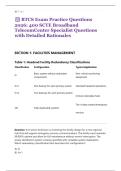
Table 1: Headend Facility Redundancy Classifications
Classification Configuration Typical Application
Basic system without redundant Non-critical monitoring
N
components equipment
N+1 One backup for each primary system Standard headend operations
N+2 Two backups for each primary system
Critical video/data hubs
Tier-4 data centers/emergency
2N Fully duplicated systems
services
Question 1: A senior technician is reviewing the facility design for a new regional
hub that will support emergency services communications. The facility must maintain
99.995% uptime and allow for full maintenance without service interruption. The
power distribution system is being specified with complete system duplication.
Which redundancy classification best describes this configuration?
A) N
B) N+1
,2|Page
C) N+2
D) 2N
Rationale: * 2N redundancy provides complete duplication of all systems,
allowing full maintenance without service interruption. This is the highest level
of redundancy required for mission-critical facilities. N offers no redundancy,
N+1 provides one backup, and N+2 provides two backups but still shares
common points of failure that a 2N system eliminates .
Question 2: During a routine facility inspection, a technician notices that the
headend's raised floor tiles are not properly sealed around cable penetrations. Which
is the most significant risk associated with this finding?
A) Increased electromagnetic interference from unterminated cables
B) Reduced efficiency of the downflow cooling system
C) Physical trip hazards for maintenance personnel
D) Inability to properly route new fiber optic cables
Rationale: * Unsealed floor tiles allow conditioned air to bypass equipment
intakes, reducing cooling efficiency and potentially causing hot spots. This is a
critical environmental control issue. While cable management and safety are
concerns, the immediate operational risk is cooling system bypass, which can
lead to equipment overheating and failure .
Question 3: A headend facility experiences a complete commercial power failure. The
UPS system activates and is currently powering the equipment. The standby
generator has started but is not yet ready to accept load. What is the most critical
consideration during the transition from UPS to generator power?
A) Verifying generator fuel level before transfer
B) Ensuring the UPS batteries have sufficient charge for the transition
C) Synchronizing the generator output with the UPS output before transfer
D) Notifying all subscribers of the impending service interruption
Rationale: * The most critical step is ensuring proper synchronization of the
generator's voltage, frequency, and phase with the UPS output before the
automatic transfer switch operates. Mismatched synchronization can cause
severe equipment damage and extended outages. While fuel level and battery
,3|Page
charge are important, they are pre-transfer checks. Subscriber notification is a
customer service consideration, not an operational imperative at the moment of
transfer .
Question 4: A technician is monitoring headend environmental sensors and observes
that the temperature at the top of equipment rack R-07 is 82°F (27.8°C), while the
return air temperature sensor reads 72°F (22.2°C). What is the most likely explanation
for this temperature differential?
A) The CRAC unit is undersized for the facility load
B) Hot air is being recirculated due to improper aisle configuration
C) The thermostat setpoint has been inadvertently changed
D) The humidity level is too high, increasing the heat index
Rationale: * A 10°F temperature rise from the return air sensor to the top of the
rack indicates hot air recirculation, typically caused by improper hot aisle/cold
aisle configuration. This allows exhaust air to mix with supply air before
reaching equipment intakes. An undersized CRAC unit would cause elevated
temperatures throughout the facility, not a specific localized differential .
Question 5: Which regulatory agency's standards are most directly applicable to the
installation of a new fire suppression system in a headend facility?
A) IEEE
B) FCC
C) NFPA
D) ITU
Rationale: * The National Fire Protection Association (NFPA) develops and
publishes standards for fire protection and suppression systems, including NFPA
75 (Standard for the Protection of Information Technology Equipment) and
NFPA 2001 (Clean Agent Fire Extinguishing Systems). OSHA enforces workplace
safety but does not develop the technical standards for fire suppression systems.
FCC and IEEE standards cover communications and electrical engineering, not
fire protection .
, 4|Page
Question 6: A headend facility uses a gas-based fire suppression system with FM-
200. During a fire drill, the technician notices that the system's agent concentration is
6.5%. According to NFPA standards, what is the most important consideration
regarding this concentration?
A) The concentration is too low and may not effectively suppress the fire
B) The concentration is at the maximum safe level for occupied spaces C) The
concentration is at the design level and should provide effective
suppression
D) The concentration measurement is invalid without temperature compensation
Rationale: * FM-200 is typically designed for concentrations between 6.25% and
7.0% for most occupied spaces, providing effective fire suppression while
maintaining safety margins for personnel. A reading of 6.5% falls within the
normal design range. Concentrations above 9% would require immediate
evacuation, and below 5.25% would be ineffective for many fuel types .
Question 7: A facility manager is evaluating Power Usage Effectiveness (PUE) for the
headend. The total facility power consumption is 450 kW, and the IT equipment
power consumption is 375 kW. What is the PUE, and what does this value indicate
about the facility's efficiency?
A) 0.83 PUE, indicating excellent efficiency
B) 1.20 PUE, indicating good efficiency with some overhead
C) 1.50 PUE, indicating poor efficiency with significant waste
D) 2.50 PUE, indicating critical infrastructure failure
Rationale: * PUE is calculated by dividing total facility power by IT equipment
power (450 kW / 375 kW = 1.20). A PUE of 1.20 indicates that for every watt of
IT equipment power, 0.20 watts are consumed by facility overhead (cooling,
lighting, power distribution losses, etc.). This is considered good efficiency for a
telecommunications facility. A PUE approaching 1.0 is theoretically perfect but
practically unattainable .
Question 8: A technician is installing new equipment in a rack and observes that the
previous installer ran multiple power cables across the front of the rack, blocking
📚 BTCS Exam Practice Questions
2026: 400 SCTE Broadband
TelecomCenter Specialist Questions
with Detailed Rationales
SECTION 1: FACILITIES MANAGEMENT
Table 1: Headend Facility Redundancy Classifications
Classification Configuration Typical Application
Basic system without redundant Non-critical monitoring
N
components equipment
N+1 One backup for each primary system Standard headend operations
N+2 Two backups for each primary system
Critical video/data hubs
Tier-4 data centers/emergency
2N Fully duplicated systems
services
Question 1: A senior technician is reviewing the facility design for a new regional
hub that will support emergency services communications. The facility must maintain
99.995% uptime and allow for full maintenance without service interruption. The
power distribution system is being specified with complete system duplication.
Which redundancy classification best describes this configuration?
A) N
B) N+1
,2|Page
C) N+2
D) 2N
Rationale: * 2N redundancy provides complete duplication of all systems,
allowing full maintenance without service interruption. This is the highest level
of redundancy required for mission-critical facilities. N offers no redundancy,
N+1 provides one backup, and N+2 provides two backups but still shares
common points of failure that a 2N system eliminates .
Question 2: During a routine facility inspection, a technician notices that the
headend's raised floor tiles are not properly sealed around cable penetrations. Which
is the most significant risk associated with this finding?
A) Increased electromagnetic interference from unterminated cables
B) Reduced efficiency of the downflow cooling system
C) Physical trip hazards for maintenance personnel
D) Inability to properly route new fiber optic cables
Rationale: * Unsealed floor tiles allow conditioned air to bypass equipment
intakes, reducing cooling efficiency and potentially causing hot spots. This is a
critical environmental control issue. While cable management and safety are
concerns, the immediate operational risk is cooling system bypass, which can
lead to equipment overheating and failure .
Question 3: A headend facility experiences a complete commercial power failure. The
UPS system activates and is currently powering the equipment. The standby
generator has started but is not yet ready to accept load. What is the most critical
consideration during the transition from UPS to generator power?
A) Verifying generator fuel level before transfer
B) Ensuring the UPS batteries have sufficient charge for the transition
C) Synchronizing the generator output with the UPS output before transfer
D) Notifying all subscribers of the impending service interruption
Rationale: * The most critical step is ensuring proper synchronization of the
generator's voltage, frequency, and phase with the UPS output before the
automatic transfer switch operates. Mismatched synchronization can cause
severe equipment damage and extended outages. While fuel level and battery
,3|Page
charge are important, they are pre-transfer checks. Subscriber notification is a
customer service consideration, not an operational imperative at the moment of
transfer .
Question 4: A technician is monitoring headend environmental sensors and observes
that the temperature at the top of equipment rack R-07 is 82°F (27.8°C), while the
return air temperature sensor reads 72°F (22.2°C). What is the most likely explanation
for this temperature differential?
A) The CRAC unit is undersized for the facility load
B) Hot air is being recirculated due to improper aisle configuration
C) The thermostat setpoint has been inadvertently changed
D) The humidity level is too high, increasing the heat index
Rationale: * A 10°F temperature rise from the return air sensor to the top of the
rack indicates hot air recirculation, typically caused by improper hot aisle/cold
aisle configuration. This allows exhaust air to mix with supply air before
reaching equipment intakes. An undersized CRAC unit would cause elevated
temperatures throughout the facility, not a specific localized differential .
Question 5: Which regulatory agency's standards are most directly applicable to the
installation of a new fire suppression system in a headend facility?
A) IEEE
B) FCC
C) NFPA
D) ITU
Rationale: * The National Fire Protection Association (NFPA) develops and
publishes standards for fire protection and suppression systems, including NFPA
75 (Standard for the Protection of Information Technology Equipment) and
NFPA 2001 (Clean Agent Fire Extinguishing Systems). OSHA enforces workplace
safety but does not develop the technical standards for fire suppression systems.
FCC and IEEE standards cover communications and electrical engineering, not
fire protection .
, 4|Page
Question 6: A headend facility uses a gas-based fire suppression system with FM-
200. During a fire drill, the technician notices that the system's agent concentration is
6.5%. According to NFPA standards, what is the most important consideration
regarding this concentration?
A) The concentration is too low and may not effectively suppress the fire
B) The concentration is at the maximum safe level for occupied spaces C) The
concentration is at the design level and should provide effective
suppression
D) The concentration measurement is invalid without temperature compensation
Rationale: * FM-200 is typically designed for concentrations between 6.25% and
7.0% for most occupied spaces, providing effective fire suppression while
maintaining safety margins for personnel. A reading of 6.5% falls within the
normal design range. Concentrations above 9% would require immediate
evacuation, and below 5.25% would be ineffective for many fuel types .
Question 7: A facility manager is evaluating Power Usage Effectiveness (PUE) for the
headend. The total facility power consumption is 450 kW, and the IT equipment
power consumption is 375 kW. What is the PUE, and what does this value indicate
about the facility's efficiency?
A) 0.83 PUE, indicating excellent efficiency
B) 1.20 PUE, indicating good efficiency with some overhead
C) 1.50 PUE, indicating poor efficiency with significant waste
D) 2.50 PUE, indicating critical infrastructure failure
Rationale: * PUE is calculated by dividing total facility power by IT equipment
power (450 kW / 375 kW = 1.20). A PUE of 1.20 indicates that for every watt of
IT equipment power, 0.20 watts are consumed by facility overhead (cooling,
lighting, power distribution losses, etc.). This is considered good efficiency for a
telecommunications facility. A PUE approaching 1.0 is theoretically perfect but
practically unattainable .
Question 8: A technician is installing new equipment in a rack and observes that the
previous installer ran multiple power cables across the front of the rack, blocking


