

3 MAXE · 132 SRUN
★ ★
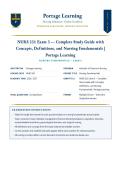
Portage Learning
P Nursing Education · Online Excellence
EST. 2001
A D V A N C I N G H E A LT H C A R E T H R O U G H E D U C AT I O N
NURS 231 Exam 3 — Complete Study Guide with
Concepts, Definitions, and Nursing Fundamentals |
Portage Learning
N U RS I N G F U N DA M E N TA LS — E X A M 3
INSTITUTION Portage Learning PROGRAM Bachelor of Science in Nursing
COURSE CODE NURS 231 COURSE TITLE Nursing Fundamentals
ACADEMIC YEAR EXAM TITLE NURS 231 Exam 3 — Complete
Study Guide with Concepts,
Definitions, and Nursing
Fundamentals | Portage Learning
TOTAL QUESTIONS 313 Questions FORMAT Multiple Choice — Select the
Single Best Answer
EXAMINATION INSTRUCTIONS
▸ Select the single best answer for each question based on nursing fundamentals and principles.
▸ Topics covered include: diabetes management, fluid and electrolyte balance, respiratory disorders,
musculoskeletal conditions, gynecological disorders, and surgical nursing.
▸ All definitions and concepts from the study material are testable content.
▸ Correct answers and detailed rationales appear below each question for review purposes.
▸ All nursing concepts reflect current standards of practice and evidence-based care.
, SECTION I — NURSING FUNDAMENTALS & MEDICAL-
Questions 1 – 313
SURGICAL NURSING
1. What is the insulin to carb ratio for a patient with diabetes?
A. 1 unit to 15 grams of carbohydrates
B. 1 unit to 10 grams of carbohydrates
C. 1 unit to 20 grams of carbohydrates
D. 1 unit to 5 grams of carbohydrates
CORRECT ANSWER A — 1 unit to 15 grams of carbohydrates
RATIONALE The standard insulin to carbohydrate ratio is 1 unit of insulin for every 15 grams of
carbohydrates. This ratio helps patients with diabetes match their insulin dose to
their carbohydrate intake for optimal blood glucose control.
2. What are the food classification categories?
A. Carbohydrates, fats, proteins (fiber)
B. Carbohydrates and proteins only
C. Fats and proteins only
D. Carbohydrates and fats only
CORRECT ANSWER A — Carbohydrates, fats, proteins (fiber)
RATIONALE The food classification categories are carbohydrates, fats, and proteins (fiber).
These macronutrients provide energy and essential nutrients for the body, and
understanding their composition is crucial for diabetes management and overall
nutrition.
,3. What 5 things should someone with diabetes who wants to drink alcohol do?
A. Talk to MD, understand glucagon and hypoglycemia, get a medical bracelet, understand
alcoholic intake quantity, educate friends
B. Only talk to MD and get a medical bracelet
C. Only educate friends about alcohol intake
D. Only understand glucagon and hypoglycemia
CORRECT ANSWER A — Talk to MD, understand glucagon and hypoglycemia, get a medical
bracelet, understand alcoholic intake quantity, educate friends
RATIONALE People with diabetes who choose to drink alcohol should: talk to their MD,
understand the relationship between glucagon and hypoglycemia, get a medical
bracelet, understand appropriate alcoholic intake quantity, and educate friends
about their condition and risks.
4. What happens to the blood sugar of someone with diabetes when they drink alcohol?
A. Moderate amounts may cause blood sugar to rise; excess alcohol can decrease blood
sugar to dangerous levels
B. Alcohol always decreases blood sugar
C. Alcohol always increases blood sugar
D. Alcohol has no effect on blood sugar
CORRECT ANSWER A — Moderate amounts may cause blood sugar to rise; excess alcohol can
decrease blood sugar to dangerous levels
RATIONALE Moderate amounts of alcohol may cause blood sugar to rise, but excess alcohol
can actually decrease blood sugar levels, sometimes causing dangerous
hypoglycemia, especially for people with type 1 diabetes. This is due to alcohol's
effect on liver glucose production.
, 5. What are some considerations for exercising with diabetes?
A. Exercise three times each week, perform resistance training twice a week for type 2
diabetes, exercise at the same time of day, use proper footwear, avoid trauma to lower
extremities, inspect feet daily after exercise, avoid exercise in extreme heat or cold, avoid
exercise during periods of poor metabolic control, stretch for 10-15 minutes before
exercising
B. Only exercise three times each week
C. Only use proper footwear
D. Only inspect feet daily after exercise
CORRECT ANSWER A — Exercise three times each week, perform resistance training twice a
week for type 2 diabetes, exercise at the same time of day, use proper
footwear, avoid trauma to lower extremities, inspect feet daily after
exercise, avoid exercise in extreme heat or cold, avoid exercise during
periods of poor metabolic control, stretch for 10-15 minutes before
exercising
RATIONALE Considerations for exercising with diabetes include: exercising three times each
week, performing resistance training twice a week if you have type 2 diabetes,
exercising at the same time of day (when blood glucose is at its peak), using
proper footwear, avoiding trauma to the lower extremities, inspecting feet daily
after exercise, avoiding exercise in extreme heat or cold, avoiding exercise during
periods of poor metabolic control, and stretching for 10 to 15 minutes before
exercising.
★ ★
Portage Learning
P Nursing Education · Online Excellence
EST. 2001
A D V A N C I N G H E A LT H C A R E T H R O U G H E D U C AT I O N
NURS 231 Exam 3 — Complete Study Guide with
Concepts, Definitions, and Nursing Fundamentals |
Portage Learning
N U RS I N G F U N DA M E N TA LS — E X A M 3
INSTITUTION Portage Learning PROGRAM Bachelor of Science in Nursing
COURSE CODE NURS 231 COURSE TITLE Nursing Fundamentals
ACADEMIC YEAR EXAM TITLE NURS 231 Exam 3 — Complete
Study Guide with Concepts,
Definitions, and Nursing
Fundamentals | Portage Learning
TOTAL QUESTIONS 313 Questions FORMAT Multiple Choice — Select the
Single Best Answer
EXAMINATION INSTRUCTIONS
▸ Select the single best answer for each question based on nursing fundamentals and principles.
▸ Topics covered include: diabetes management, fluid and electrolyte balance, respiratory disorders,
musculoskeletal conditions, gynecological disorders, and surgical nursing.
▸ All definitions and concepts from the study material are testable content.
▸ Correct answers and detailed rationales appear below each question for review purposes.
▸ All nursing concepts reflect current standards of practice and evidence-based care.
, SECTION I — NURSING FUNDAMENTALS & MEDICAL-
Questions 1 – 313
SURGICAL NURSING
1. What is the insulin to carb ratio for a patient with diabetes?
A. 1 unit to 15 grams of carbohydrates
B. 1 unit to 10 grams of carbohydrates
C. 1 unit to 20 grams of carbohydrates
D. 1 unit to 5 grams of carbohydrates
CORRECT ANSWER A — 1 unit to 15 grams of carbohydrates
RATIONALE The standard insulin to carbohydrate ratio is 1 unit of insulin for every 15 grams of
carbohydrates. This ratio helps patients with diabetes match their insulin dose to
their carbohydrate intake for optimal blood glucose control.
2. What are the food classification categories?
A. Carbohydrates, fats, proteins (fiber)
B. Carbohydrates and proteins only
C. Fats and proteins only
D. Carbohydrates and fats only
CORRECT ANSWER A — Carbohydrates, fats, proteins (fiber)
RATIONALE The food classification categories are carbohydrates, fats, and proteins (fiber).
These macronutrients provide energy and essential nutrients for the body, and
understanding their composition is crucial for diabetes management and overall
nutrition.
,3. What 5 things should someone with diabetes who wants to drink alcohol do?
A. Talk to MD, understand glucagon and hypoglycemia, get a medical bracelet, understand
alcoholic intake quantity, educate friends
B. Only talk to MD and get a medical bracelet
C. Only educate friends about alcohol intake
D. Only understand glucagon and hypoglycemia
CORRECT ANSWER A — Talk to MD, understand glucagon and hypoglycemia, get a medical
bracelet, understand alcoholic intake quantity, educate friends
RATIONALE People with diabetes who choose to drink alcohol should: talk to their MD,
understand the relationship between glucagon and hypoglycemia, get a medical
bracelet, understand appropriate alcoholic intake quantity, and educate friends
about their condition and risks.
4. What happens to the blood sugar of someone with diabetes when they drink alcohol?
A. Moderate amounts may cause blood sugar to rise; excess alcohol can decrease blood
sugar to dangerous levels
B. Alcohol always decreases blood sugar
C. Alcohol always increases blood sugar
D. Alcohol has no effect on blood sugar
CORRECT ANSWER A — Moderate amounts may cause blood sugar to rise; excess alcohol can
decrease blood sugar to dangerous levels
RATIONALE Moderate amounts of alcohol may cause blood sugar to rise, but excess alcohol
can actually decrease blood sugar levels, sometimes causing dangerous
hypoglycemia, especially for people with type 1 diabetes. This is due to alcohol's
effect on liver glucose production.
, 5. What are some considerations for exercising with diabetes?
A. Exercise three times each week, perform resistance training twice a week for type 2
diabetes, exercise at the same time of day, use proper footwear, avoid trauma to lower
extremities, inspect feet daily after exercise, avoid exercise in extreme heat or cold, avoid
exercise during periods of poor metabolic control, stretch for 10-15 minutes before
exercising
B. Only exercise three times each week
C. Only use proper footwear
D. Only inspect feet daily after exercise
CORRECT ANSWER A — Exercise three times each week, perform resistance training twice a
week for type 2 diabetes, exercise at the same time of day, use proper
footwear, avoid trauma to lower extremities, inspect feet daily after
exercise, avoid exercise in extreme heat or cold, avoid exercise during
periods of poor metabolic control, stretch for 10-15 minutes before
exercising
RATIONALE Considerations for exercising with diabetes include: exercising three times each
week, performing resistance training twice a week if you have type 2 diabetes,
exercising at the same time of day (when blood glucose is at its peak), using
proper footwear, avoiding trauma to the lower extremities, inspecting feet daily
after exercise, avoiding exercise in extreme heat or cold, avoiding exercise during
periods of poor metabolic control, and stretching for 10 to 15 minutes before
exercising.


