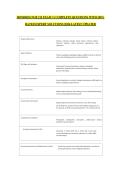
HONDROS NUR 212 EXAM 3 | COMPLETE QUESTIONS WITH 100%
RATED EXPERT SOLUTIONS |2026 LATEST UPDATED
Diabetes Risk Factors
Obesity, sedentary lifestyle, family history, ethnicity (African
American, Hispanic, Native American), hypertension, high
cholesterol.
Signs of Diabetes
Polyuria, polydipsia, polyphagia, fatigue, weight loss (Type 1), blurred
vision, slow-healing wounds, recurrent infections.
DKA Signs and Symptoms
Fruity breath, Kussmaul respirations, polyuria, polydipsia,
dehydration, abdominal pain, nausea/vomiting, confusion, blood
glucose >300 mg/dL.
HHS Signs and Symptoms
Severe dehydration, confusion, lethargy, blood glucose >600 mg/dL, no
ketones, polydipsia, hypernatremia.
Insulin Peak Times
Rapid-acting (30-90 min), Short-acting (2-5 hrs), Intermediateacting (4-
12 hrs), Long-acting (minimal/no peak).
Insulin Onset and Duration
Rapid-acting (onset 10-30 min, duration 3-5 hrs), Short-acting
(onset 30-60 min, duration 5-8 hrs), Intermediate-acting (onset 1-2
hrs, duration 12-18 hrs), Long-acting (onset 1-4 hrs, duration 24 hrs).
Complications of Diabetes
Retinopathy, nephropathy, neuropathy, cardiovascular disease,
peripheral vascular disease.
Nursing Interventions for DKA
Administer IV fluids (0.9% NS or 0.45% NS), insulin drip,
monitor blood glucose, potassium replacement, monitor ABGs
and electrolytes.
Nursing Interventions for HHSAdminister IV fluids, insulin drip, monitor serum electrolytes (potassium), monitor for
cardiac dysrhythmias, ensure adequate hydration.
, Patient Education for DiabetesMonitor blood glucose regularly, recognize signs of
hypo/hyperglycemia, follow a balanced diet, exercise regularly,
adhere to medication regimen.
Cushing's Disease Signs and SymptomsMoon face, buffalo hump, truncal obesity, purple striae, thin skin,
hypertension, hyperglycemia, muscle weakness, osteoporosis.
Addison's Disease Signs and SymptomsFatigue, weight loss, hyperpigmentation, hypotension, hyponatremia,
hyperkalemia, hypoglycemia, salt cravings.
Hypothyroidism Signs and SymptomsFatigue, weight gain, cold intolerance, bradycardia, constipation, dry skin,
hair thinning, depression.
Hyperthyroidism Signs and SymptomsWeight loss, heat intolerance, tachycardia, tremors, insomnia, exophthalmos,
goiter.
Thyroid Storm Signs and SymptomsSevere tachycardia, hyperthermia (up to 106°F), agitation, delirium,
seizures, abdominal pain, vomiting, diarrhea, shock.
Thyroid Storm Nursing InterventionsAdminister antithyroid medications (PTU, methimazole), iodine
solution, beta-blockers, IV fluids, cooling blankets, oxygen
therapy, and manage electrolytes.
Cushing's Disease Nursing Interventions forMonitor for signs of infection, ensure hand hygiene, limit
Infectionexposure to sick individuals, and educate on proper wound
care.
Addisonian Crisis Signs and SymptomsSevere hypotension, tachycardia, dehydration, hyperkalemia,
hyponatremia, hypoglycemia, confusion, and shock.
Addisonian Crisis Nursing InterventionsAdminister IV hydrocortisone, rapid IV fluids (0.9% saline and
dextrose), monitor vital signs, manage electrolytes, and provide
glucose support.
Myxedema Coma Signs and SymptomsHypothermia, bradycardia, hypotension,
hypoventilation, altered mental status, and generalized edema.
Myxedema Coma Nursing InterventionsAdminister IV thyroid hormone, warm the patient gradually, monitor vital
signs, manage hypoglycemia, and provide ventilatory support.
Thyroid Storm Patient EducationAdhere to antithyroid medications, avoid stress and infections, report fever
or palpitations, and attend regular thyroid function follow-ups.
DKA Nursing Interventions for ElectrolytesMonitor potassium levels closely, replace potassium as needed, and
observe for signs of hypokalemia during insulin therapy.
RATED EXPERT SOLUTIONS |2026 LATEST UPDATED
Diabetes Risk Factors
Obesity, sedentary lifestyle, family history, ethnicity (African
American, Hispanic, Native American), hypertension, high
cholesterol.
Signs of Diabetes
Polyuria, polydipsia, polyphagia, fatigue, weight loss (Type 1), blurred
vision, slow-healing wounds, recurrent infections.
DKA Signs and Symptoms
Fruity breath, Kussmaul respirations, polyuria, polydipsia,
dehydration, abdominal pain, nausea/vomiting, confusion, blood
glucose >300 mg/dL.
HHS Signs and Symptoms
Severe dehydration, confusion, lethargy, blood glucose >600 mg/dL, no
ketones, polydipsia, hypernatremia.
Insulin Peak Times
Rapid-acting (30-90 min), Short-acting (2-5 hrs), Intermediateacting (4-
12 hrs), Long-acting (minimal/no peak).
Insulin Onset and Duration
Rapid-acting (onset 10-30 min, duration 3-5 hrs), Short-acting
(onset 30-60 min, duration 5-8 hrs), Intermediate-acting (onset 1-2
hrs, duration 12-18 hrs), Long-acting (onset 1-4 hrs, duration 24 hrs).
Complications of Diabetes
Retinopathy, nephropathy, neuropathy, cardiovascular disease,
peripheral vascular disease.
Nursing Interventions for DKA
Administer IV fluids (0.9% NS or 0.45% NS), insulin drip,
monitor blood glucose, potassium replacement, monitor ABGs
and electrolytes.
Nursing Interventions for HHSAdminister IV fluids, insulin drip, monitor serum electrolytes (potassium), monitor for
cardiac dysrhythmias, ensure adequate hydration.
, Patient Education for DiabetesMonitor blood glucose regularly, recognize signs of
hypo/hyperglycemia, follow a balanced diet, exercise regularly,
adhere to medication regimen.
Cushing's Disease Signs and SymptomsMoon face, buffalo hump, truncal obesity, purple striae, thin skin,
hypertension, hyperglycemia, muscle weakness, osteoporosis.
Addison's Disease Signs and SymptomsFatigue, weight loss, hyperpigmentation, hypotension, hyponatremia,
hyperkalemia, hypoglycemia, salt cravings.
Hypothyroidism Signs and SymptomsFatigue, weight gain, cold intolerance, bradycardia, constipation, dry skin,
hair thinning, depression.
Hyperthyroidism Signs and SymptomsWeight loss, heat intolerance, tachycardia, tremors, insomnia, exophthalmos,
goiter.
Thyroid Storm Signs and SymptomsSevere tachycardia, hyperthermia (up to 106°F), agitation, delirium,
seizures, abdominal pain, vomiting, diarrhea, shock.
Thyroid Storm Nursing InterventionsAdminister antithyroid medications (PTU, methimazole), iodine
solution, beta-blockers, IV fluids, cooling blankets, oxygen
therapy, and manage electrolytes.
Cushing's Disease Nursing Interventions forMonitor for signs of infection, ensure hand hygiene, limit
Infectionexposure to sick individuals, and educate on proper wound
care.
Addisonian Crisis Signs and SymptomsSevere hypotension, tachycardia, dehydration, hyperkalemia,
hyponatremia, hypoglycemia, confusion, and shock.
Addisonian Crisis Nursing InterventionsAdminister IV hydrocortisone, rapid IV fluids (0.9% saline and
dextrose), monitor vital signs, manage electrolytes, and provide
glucose support.
Myxedema Coma Signs and SymptomsHypothermia, bradycardia, hypotension,
hypoventilation, altered mental status, and generalized edema.
Myxedema Coma Nursing InterventionsAdminister IV thyroid hormone, warm the patient gradually, monitor vital
signs, manage hypoglycemia, and provide ventilatory support.
Thyroid Storm Patient EducationAdhere to antithyroid medications, avoid stress and infections, report fever
or palpitations, and attend regular thyroid function follow-ups.
DKA Nursing Interventions for ElectrolytesMonitor potassium levels closely, replace potassium as needed, and
observe for signs of hypokalemia during insulin therapy.