
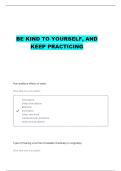
Non-auditory effects of noise
Give this one a try later!
annoyance
sleep disturbance
attention
motivation
stress reactions
cardiovascular problems
endocrine problems
Type of Hearing Loss that is treatable (medically or surgically)
Give this one a try later!
, Conductive hearing loss
When sound presented to the poorer ear crosses through the skull and is picked up
by the better ear, this phenomenon is referred to as:
Give this one a try later!
Crossover
Hearing Aids and Hearing Test
Give this one a try later!
Tests are to be done without hearing aids
Formable Earplugs are:
Give this one a try later!
Disposable when no longer return to shape and soiled
OSHA Action Level for noise
Give this one a try later!
, 85dBA TWA
Sound Level Meter Microphone Type Required by OSHA
Give this one a try later!
Minimum of Type 2 microphone
OSHA standard threshold shift
Give this one a try later!
10dB average change at 2000 Hz, 3000 Hz, and 4000 Hz, when compared
to a baseline , in one or both ears
Excessive noise levels will impact these test frequencies during a hearing exam
Give this one a try later!
Low frequencies e.g. 500 Hz
OSHA recommendations for Audiometric Records
Give this one a try later!
Give this one a try later!
annoyance
sleep disturbance
attention
motivation
stress reactions
cardiovascular problems
endocrine problems
Type of Hearing Loss that is treatable (medically or surgically)
Give this one a try later!
, Conductive hearing loss
When sound presented to the poorer ear crosses through the skull and is picked up
by the better ear, this phenomenon is referred to as:
Give this one a try later!
Crossover
Hearing Aids and Hearing Test
Give this one a try later!
Tests are to be done without hearing aids
Formable Earplugs are:
Give this one a try later!
Disposable when no longer return to shape and soiled
OSHA Action Level for noise
Give this one a try later!
, 85dBA TWA
Sound Level Meter Microphone Type Required by OSHA
Give this one a try later!
Minimum of Type 2 microphone
OSHA standard threshold shift
Give this one a try later!
10dB average change at 2000 Hz, 3000 Hz, and 4000 Hz, when compared
to a baseline , in one or both ears
Excessive noise levels will impact these test frequencies during a hearing exam
Give this one a try later!
Low frequencies e.g. 500 Hz
OSHA recommendations for Audiometric Records
Give this one a try later!


