

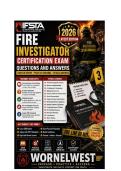
,IFSTA FIRE INVESTIGATOR CERTIFICATION EXAMCOMPLETE
PRACTICE QUESTION BANK – 200 MCQs
Question 1
What is the PRIMARY goal of a fire investigation?
A) To estimate fire damage costs
B) To identify the origin and cause of the fire
C) To find someone to blame
D) To complete paperwork for insurance
Correct Answer: B) To identify the origin and cause of the fire
Rationale: The fundamental purpose of any fire investigation is to determine
where the fire started (origin) and what ignited it (cause). All other objectives
are secondary.
Question 2
Which NFPA standard is the primary guide for fire and explosion
investigations?
A) NFPA 70
B) NFPA 921
C) NFPA 101
D) NFPA 1500
Correct Answer: B) NFPA 921
Rationale: NFPA 921 – Guide for Fire and Explosion Investigations – is the
authoritative standard that establishes the scientific methodology for fire
investigation.
,Question 3
Which NFPA standard outlines the professional qualifications for fire
investigators?
A) NFPA 921
B) NFPA 1033
C) NFPA 70
D) NFPA 13
Correct Answer: B) NFPA 1033
Rationale: NFPA 1033 – Standard for Professional Qualifications for Fire
Investigator – specifies the minimum knowledge, skills, and abilities required.
Question 4
A "point of origin" is best defined as:
A) The location where the fire was first reported
B) The exact physical location where ignition occurred
C) The area with the most severe fire damage
D) The location of the first arriving fire truck
Correct Answer: B) The exact physical location where ignition occurred
Rationale: The point of origin is the specific spot where the fire started. It may
be a small area, and all investigation efforts aim to narrow down to this
point.
Question 5
Which of the following is considered a NATURAL cause of fire?
A) Electrical short circuit
B) Lightning strike
, C) Arson with gasoline
D) Cooking grease fire
Correct Answer: B) Lightning strike
Rationale: Natural causes include acts of nature such as lightning,
spontaneous combustion from natural heat, or volcanic activity. The others
are classified as accidental or incendiary.
Question 6
An incendiary fire is defined as:
A) A fire caused by faulty wiring
B) A fire deliberately set with intent to cause damage
C) A fire caused by a lightning strike
D) A fire caused by an unattended candle
Correct Answer: B) A fire deliberately set with intent to cause damage
Rationale: Incendiary fires are those intentionally set under circumstances
where the person knows or should know that the fire should not be set.
Motive is not required for classification.
Question 7
What is the most reliable laboratory method for identifying ignitable liquids
in fire debris?
A) Visual inspection
B) Odor detection
C) Gas Chromatography-Mass Spectrometry (GC-MS)
D) Ultraviolet light examination
Correct Answer: C) Gas Chromatography-Mass Spectrometry (GC-MS)
Rationale: GC-MS is the gold standard for detecting and identifying
PRACTICE QUESTION BANK – 200 MCQs
Question 1
What is the PRIMARY goal of a fire investigation?
A) To estimate fire damage costs
B) To identify the origin and cause of the fire
C) To find someone to blame
D) To complete paperwork for insurance
Correct Answer: B) To identify the origin and cause of the fire
Rationale: The fundamental purpose of any fire investigation is to determine
where the fire started (origin) and what ignited it (cause). All other objectives
are secondary.
Question 2
Which NFPA standard is the primary guide for fire and explosion
investigations?
A) NFPA 70
B) NFPA 921
C) NFPA 101
D) NFPA 1500
Correct Answer: B) NFPA 921
Rationale: NFPA 921 – Guide for Fire and Explosion Investigations – is the
authoritative standard that establishes the scientific methodology for fire
investigation.
,Question 3
Which NFPA standard outlines the professional qualifications for fire
investigators?
A) NFPA 921
B) NFPA 1033
C) NFPA 70
D) NFPA 13
Correct Answer: B) NFPA 1033
Rationale: NFPA 1033 – Standard for Professional Qualifications for Fire
Investigator – specifies the minimum knowledge, skills, and abilities required.
Question 4
A "point of origin" is best defined as:
A) The location where the fire was first reported
B) The exact physical location where ignition occurred
C) The area with the most severe fire damage
D) The location of the first arriving fire truck
Correct Answer: B) The exact physical location where ignition occurred
Rationale: The point of origin is the specific spot where the fire started. It may
be a small area, and all investigation efforts aim to narrow down to this
point.
Question 5
Which of the following is considered a NATURAL cause of fire?
A) Electrical short circuit
B) Lightning strike
, C) Arson with gasoline
D) Cooking grease fire
Correct Answer: B) Lightning strike
Rationale: Natural causes include acts of nature such as lightning,
spontaneous combustion from natural heat, or volcanic activity. The others
are classified as accidental or incendiary.
Question 6
An incendiary fire is defined as:
A) A fire caused by faulty wiring
B) A fire deliberately set with intent to cause damage
C) A fire caused by a lightning strike
D) A fire caused by an unattended candle
Correct Answer: B) A fire deliberately set with intent to cause damage
Rationale: Incendiary fires are those intentionally set under circumstances
where the person knows or should know that the fire should not be set.
Motive is not required for classification.
Question 7
What is the most reliable laboratory method for identifying ignitable liquids
in fire debris?
A) Visual inspection
B) Odor detection
C) Gas Chromatography-Mass Spectrometry (GC-MS)
D) Ultraviolet light examination
Correct Answer: C) Gas Chromatography-Mass Spectrometry (GC-MS)
Rationale: GC-MS is the gold standard for detecting and identifying


