TESTBANK
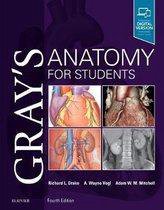
Gray'sAnatomy for Students
w
q wq wq
RichardL.Drake,A.WayneVogl,AdamW.M.Mitchell
q
w w
q q
w w
q q
w w
q q
w w
q w
q
4th Edition
w
q
PlusBay.Plus
,Table of Contents
wq wq
Chapter 01: The Body
wq wq wq 1
Chapter
wq 02: wq Back 8
Chapter
wq 03: wq Thorax 33
Chapter
wq 04: wq Abdomen 57
Chapter
wq 05: wq Pelvis and Perineum
wq wq 73
Chapter
wq 06: wq Lower Limb wq 98
Chapter
wq 07: wq Upper Limb wq 106
Chapter
wq 08: wq Head and Neck
wq w q 116
PlusBay.Plus
, Test Bank - wq wq
Gray’s Anatomy for Students, 4th Edition (Drake, 2020)
wq wq wq wq wq wq wq wq
Chapter 01: The Body
wq wq wq
Drake: Gray's Anatomy for Students, 4th Edition
wq wq wq wq wq wq
MULTIPLE CHOICE wq
1. Which of the following describes anatomy?
wq wq wq wq wq
a. using devices to investigate parameters such as heart rate and blood pressure
wq wq wq wq wq wq wq wq wq wq wq
b. investigating human structure via dissections and other methods 8% wq wq wq wq wq wq
c. studying the unusual manner in which an organism responds to painful stimuli
wq wq wq wq wq wq wq wq wq wq wq
d. examining the physiology of life wq wq wq wq
ANS: B DIF: memorization
REF: Anatomy and Imaging TOP: Anatomy and Physiology wq wq wq wq
2. Systemic anatomy is a term that refers to:
wq wq wq wq wq wq wq
a. physiological investigation at a microscopic level. wq wq wq wq wq
b. anatomical investigation that begins in the head and neck and concludes at the feet.
wq wq wq wq wq wq wq wq wq wq wq wq wq
c. anatomical investigation that utilizes an approach studying the body
wq wq wq wq wq wq wq wq wq
b y systems—groups of organs having a common function.
wq wq wq wq wq wq wq wq
d. anatomical investigation at the molecular level. wq wq wq wq wq
ANS: C DIF: memorization
REF: Anatomy and Imaging TOP: Anatomy and Physiology wq wq wq wq
3. A plane through the body that would divide the body into right and left sides is called:
wq wq wq wq wq wq wq wq wq wq wq wq wq wq wq wq
a. sagittal. WWW.TBSM.WS
b. frontal.
c. coronal.
d. transverse.
ANS: A DIF: memorization
REF: Anatomy and Imaging TOP: Body Planes and Sections wq wq wq wq wq
4. A plane through the body that would divide the body into anterior and posterior portions is:
wq wq wq wq wq wq wq wq wq wq wq wq wq wq wq
a. sagittal.
b. median.
c. coronal.
d. transverse.
ANS: C DIF: memorization
REF: Anatomy and Imaging TOP: Body Planes and Sections wq wq wq wq wq
5. The plane which divides the individual into upper and lower parts is the:
wq wq wq wq wq wq wq wq wq wq wq wq
a. sagittal plane. wq
b. frontal plane. wq
c. transverse plane. wq
d. superficial plane. wq
ANS: C DIF: memorization
REF: Anatomy and Imaging TOP: Body Planes and Sections wq wq wq wq wq
1|Pagewq wq wq wq wq
PlusBay.Plus
, Test Bank - wq wq
Gray’s Anatomy for Students, 4th Edition (Drake, 2020)
wq wq wq wq wq wq wq wq
6. A sagittal section divides the body into:
wq wq wq wq wq wq
a. upper and lower portions. wq wq wq
b. right and left portions. wq wq wq
c. front and back portions. wq wq wq
ANS: B DIF: memorization
REF: Anatomy and Imaging TOP: Body Planes and Sections wq wq wq wq wq
7. Moving a body part away from the medial plane of the body is called:
wq wq wq wq wq wq wq wq wq wq wq wq wq
a. adduction.
b. abduction.
c. flexion.
d. extension.
ANS: B DIF: memorization
REF: Anatomy and Imaging TOP: Abduction and Adduction wq wq wq wq
8. Muscles may be named according to:
wq wq wq wq wq
a. function.
b. direction of fibers. wq wq
c. points of attachment. wq wq
d. all of the above. wq wq wq
ANS: D DIF: application REF:
Anatomy and Imaging TOP: w
q m wq How Muscles Are Named
wq wq wq
WWW.TBSM.WS
TRUE/FALSE
1. Anatomy is the study of the functions of an organism and its parts, as opposed to the st
wq wq wq wq wq wq wq wq wq wq wq wq wq wq wq wq wq
udy of its structure.
wq wq wq wq
ANS: F DIF: memorization
REF: Anatomy and Imaging TOP: Anatomy wq wq
2. In anatomical position, the person is standing erect with arms at the sides and palms dorsal.
wq wq wq wq wq wq wq wq wq wq wq wq wq wq wq
ANS: F DIF: memorization
REF: Anatomy and Imaging TOP: Anatomical Position wq wq wq
3. Ipsilateral simply means on the same side.wq wq wq wq wq wq
ANS: T DIF: memorization
REF: Anatomy and Imaging TOP: Anatomical Position wq wq wq
4. Bilateral symmetry is characteristic of external body organization, but not necessaril
wq wq wq wq wq wq wq wq wq wq
y of internal organization.
wq wq wq
ANS: T DIF: memorization
REF: Anatomy and Imaging TOP: Anatomical Position wq wq wq
2|Page
wq wq wq wq wq
PlusBay.Plus
Gray'sAnatomy for Students
w
q wq wq
RichardL.Drake,A.WayneVogl,AdamW.M.Mitchell
q
w w
q q
w w
q q
w w
q q
w w
q w
q
4th Edition
w
q
PlusBay.Plus
,Table of Contents
wq wq
Chapter 01: The Body
wq wq wq 1
Chapter
wq 02: wq Back 8
Chapter
wq 03: wq Thorax 33
Chapter
wq 04: wq Abdomen 57
Chapter
wq 05: wq Pelvis and Perineum
wq wq 73
Chapter
wq 06: wq Lower Limb wq 98
Chapter
wq 07: wq Upper Limb wq 106
Chapter
wq 08: wq Head and Neck
wq w q 116
PlusBay.Plus
, Test Bank - wq wq
Gray’s Anatomy for Students, 4th Edition (Drake, 2020)
wq wq wq wq wq wq wq wq
Chapter 01: The Body
wq wq wq
Drake: Gray's Anatomy for Students, 4th Edition
wq wq wq wq wq wq
MULTIPLE CHOICE wq
1. Which of the following describes anatomy?
wq wq wq wq wq
a. using devices to investigate parameters such as heart rate and blood pressure
wq wq wq wq wq wq wq wq wq wq wq
b. investigating human structure via dissections and other methods 8% wq wq wq wq wq wq
c. studying the unusual manner in which an organism responds to painful stimuli
wq wq wq wq wq wq wq wq wq wq wq
d. examining the physiology of life wq wq wq wq
ANS: B DIF: memorization
REF: Anatomy and Imaging TOP: Anatomy and Physiology wq wq wq wq
2. Systemic anatomy is a term that refers to:
wq wq wq wq wq wq wq
a. physiological investigation at a microscopic level. wq wq wq wq wq
b. anatomical investigation that begins in the head and neck and concludes at the feet.
wq wq wq wq wq wq wq wq wq wq wq wq wq
c. anatomical investigation that utilizes an approach studying the body
wq wq wq wq wq wq wq wq wq
b y systems—groups of organs having a common function.
wq wq wq wq wq wq wq wq
d. anatomical investigation at the molecular level. wq wq wq wq wq
ANS: C DIF: memorization
REF: Anatomy and Imaging TOP: Anatomy and Physiology wq wq wq wq
3. A plane through the body that would divide the body into right and left sides is called:
wq wq wq wq wq wq wq wq wq wq wq wq wq wq wq wq
a. sagittal. WWW.TBSM.WS
b. frontal.
c. coronal.
d. transverse.
ANS: A DIF: memorization
REF: Anatomy and Imaging TOP: Body Planes and Sections wq wq wq wq wq
4. A plane through the body that would divide the body into anterior and posterior portions is:
wq wq wq wq wq wq wq wq wq wq wq wq wq wq wq
a. sagittal.
b. median.
c. coronal.
d. transverse.
ANS: C DIF: memorization
REF: Anatomy and Imaging TOP: Body Planes and Sections wq wq wq wq wq
5. The plane which divides the individual into upper and lower parts is the:
wq wq wq wq wq wq wq wq wq wq wq wq
a. sagittal plane. wq
b. frontal plane. wq
c. transverse plane. wq
d. superficial plane. wq
ANS: C DIF: memorization
REF: Anatomy and Imaging TOP: Body Planes and Sections wq wq wq wq wq
1|Pagewq wq wq wq wq
PlusBay.Plus
, Test Bank - wq wq
Gray’s Anatomy for Students, 4th Edition (Drake, 2020)
wq wq wq wq wq wq wq wq
6. A sagittal section divides the body into:
wq wq wq wq wq wq
a. upper and lower portions. wq wq wq
b. right and left portions. wq wq wq
c. front and back portions. wq wq wq
ANS: B DIF: memorization
REF: Anatomy and Imaging TOP: Body Planes and Sections wq wq wq wq wq
7. Moving a body part away from the medial plane of the body is called:
wq wq wq wq wq wq wq wq wq wq wq wq wq
a. adduction.
b. abduction.
c. flexion.
d. extension.
ANS: B DIF: memorization
REF: Anatomy and Imaging TOP: Abduction and Adduction wq wq wq wq
8. Muscles may be named according to:
wq wq wq wq wq
a. function.
b. direction of fibers. wq wq
c. points of attachment. wq wq
d. all of the above. wq wq wq
ANS: D DIF: application REF:
Anatomy and Imaging TOP: w
q m wq How Muscles Are Named
wq wq wq
WWW.TBSM.WS
TRUE/FALSE
1. Anatomy is the study of the functions of an organism and its parts, as opposed to the st
wq wq wq wq wq wq wq wq wq wq wq wq wq wq wq wq wq
udy of its structure.
wq wq wq wq
ANS: F DIF: memorization
REF: Anatomy and Imaging TOP: Anatomy wq wq
2. In anatomical position, the person is standing erect with arms at the sides and palms dorsal.
wq wq wq wq wq wq wq wq wq wq wq wq wq wq wq
ANS: F DIF: memorization
REF: Anatomy and Imaging TOP: Anatomical Position wq wq wq
3. Ipsilateral simply means on the same side.wq wq wq wq wq wq
ANS: T DIF: memorization
REF: Anatomy and Imaging TOP: Anatomical Position wq wq wq
4. Bilateral symmetry is characteristic of external body organization, but not necessaril
wq wq wq wq wq wq wq wq wq wq
y of internal organization.
wq wq wq
ANS: T DIF: memorization
REF: Anatomy and Imaging TOP: Anatomical Position wq wq wq
2|Page
wq wq wq wq wq
PlusBay.Plus