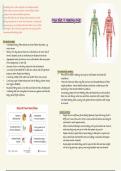
• A healthy diet is often referred to as a balanced diet,
which means consuming from all the different food
groups in the recommended proportions
• A poor diet refers to over-eating (and sometimes under-
eating, though this is much less common), in particular Poor diet + Healthy Diet
consuming too much food and drink that is low in fibre
and high in fat. Salt and sugar and not enough of the
recommended healthy foods
Physical impacts
• Increased dietary fibre reduces the risk of bowel disorders, e.g.
colon cancer
• Eating 5-a-day should mean an individual is at lower risk of
chronic diseases such as cardiovascular disease and cancer
• Appropriate levels of calcium in an individual’s diet can protect
from osteoporosis in later life
• Sources of iron in the dirty reduce the risk of anaemia
• Low levels of saturated fat in diet can reduce risk of high blood Psychological impacts:
pressure, heart disease and obesity • Poor diet can lead to obesity causing low self-esteem and lack self-
• Limiting intake of red meats can protect from colon cancer confidence
• Limiting sugar intake reduces the risk of obesity, dental caries • Those who have poor diets may feel anxious and stressed because of their
and Type 2 diabetes weight problems. Mental health problems have been linked to poor diet
• Essential fatty acids in her diet contribute it brain development according to the Mental Health Foundation
• A healthy diet will strengthen the immune system and help the • Conversely, people who have healthy diets see themselves as caring about
body resist/fight infection their own well-being, which can give them a positive self-concept. People
who have healthy diets usually look good and have a positive self-image
as a result.
Social impacts:
• People who are suffering from obesity because of poor diet may find it
difficult to move around or to be in some social situations and may be
restricted in social opportunities
• Often tired and lethargic and are likely to be quite inactive as a result,
meaning they may not go out with other people very much
• People who have a good diet are more likely to take part in sports and
leisure activities and therefore are more likely to socialise with people
who have similar interests
• Some people who decide they need to improve their diet and lose weight
will do so by joining a group, and may therefore meet new friends
which means consuming from all the different food
groups in the recommended proportions
• A poor diet refers to over-eating (and sometimes under-
eating, though this is much less common), in particular Poor diet + Healthy Diet
consuming too much food and drink that is low in fibre
and high in fat. Salt and sugar and not enough of the
recommended healthy foods
Physical impacts
• Increased dietary fibre reduces the risk of bowel disorders, e.g.
colon cancer
• Eating 5-a-day should mean an individual is at lower risk of
chronic diseases such as cardiovascular disease and cancer
• Appropriate levels of calcium in an individual’s diet can protect
from osteoporosis in later life
• Sources of iron in the dirty reduce the risk of anaemia
• Low levels of saturated fat in diet can reduce risk of high blood Psychological impacts:
pressure, heart disease and obesity • Poor diet can lead to obesity causing low self-esteem and lack self-
• Limiting intake of red meats can protect from colon cancer confidence
• Limiting sugar intake reduces the risk of obesity, dental caries • Those who have poor diets may feel anxious and stressed because of their
and Type 2 diabetes weight problems. Mental health problems have been linked to poor diet
• Essential fatty acids in her diet contribute it brain development according to the Mental Health Foundation
• A healthy diet will strengthen the immune system and help the • Conversely, people who have healthy diets see themselves as caring about
body resist/fight infection their own well-being, which can give them a positive self-concept. People
who have healthy diets usually look good and have a positive self-image
as a result.
Social impacts:
• People who are suffering from obesity because of poor diet may find it
difficult to move around or to be in some social situations and may be
restricted in social opportunities
• Often tired and lethargic and are likely to be quite inactive as a result,
meaning they may not go out with other people very much
• People who have a good diet are more likely to take part in sports and
leisure activities and therefore are more likely to socialise with people
who have similar interests
• Some people who decide they need to improve their diet and lose weight
will do so by joining a group, and may therefore meet new friends