
POETRY: THE CLOTHES
Poetry: THE CLOTHES
Author: Mongane Wally Serote
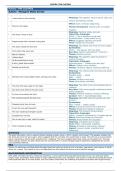
1 I came home in the morning. Meaning: The speaker returns home early and
notices something outside.
Effect: Calm, ordinary beginning.
2 There on the stoep,
Theme introduced: Ordinary life vs hidden
tragedy.
Meaning: Familiar shoes are wet.
3 The shoes I know so well Figurative language:
Simile – “like a window crying dew”
Personification – shoes seem to cry
4 Dripped water like a window crying dew; Effect: Suggests sadness and grief.
Tone: Gentle but mournful.
Meaning: The shoes will never be worn again.
5 The shoes rested the first time
Symbolism:
Shoes → the person who has died
6 From when they were new.
Key idea: Death is permanent (“forever”).
7 Now it’s forever. Theme: Death and loss.
8 I looked back, Meaning: The speaker sees the person’s
clothes hanging.
9 On the washing line hung
Figurative language:
1
0 A shirt, jacket and trousers Personification – “soaked wet with pity”
Effect: Clothes carry emotion.
1
1 Soaked wet with pity, Theme: Ordinary objects showing suffering.
Meaning: The clothes drip red-coloured water.
Symbolism:
1
Reddish water → blood
2 Wrinkled and crying reddish water, perhaps also salty; Salty → tears
Theme: Violence and grief.
Tone: Disturbing, sorrowful.
1
The pink shirt had a gash on the right, Meaning: The shirt is torn and stained due to
3
violence.
1
4 And stains that told the few who know Key idea: Only some people understand what
really happened.
1
An item of our death-live lives. Theme: Political violence; shared suffering.
5
Symbol: Shirt = injured/dead body.
1
The colourless jacket still had mud Meaning: Mud falls from the jacket onto the
6 ground.
Symbolism:
1
7 Dropping lazily from its body Mud + earth → death, burial
1 Effect: Connects human life to the land.
8 To join the dry earth beneath. Theme: Death and reality of violence.
1
The over-sized black-striped trousers Meaning: The trousers hang loosely.
9
Figurative language:
2
0 Dangled from one hip, Simile – trousers compared to a hanged person
2
Effect: Shocking image of execution.
1 Like a man from a rope ‘neath his head, Theme: Brutal death and injustice.
Meaning: Complete loss of hope.
Tone: Bitter, exhausted, hopeless.
2
2 Tired of hoping to hope. Theme: Emotional exhaustion; despair.
Impact: Leaves reader unsettled and
saddened.
Summary
The poem describes a man’s washed clothes hanging outside: shoes, a shirt, a jacket, and trousers. The speaker realises that
the shoes will never be worn again, which suggests that the comrade who owned them is dead. The shirt has a rip and pinkish
stains, indicating a violent death, possibly from a stabbing. The stains suggest blood that could not be washed out. Through
these ordinary clothes, the poet shows that the comrade died in a brutal struggle against Apartheid, highlighting the human
cost of political violence.
ERA
Serote is a well-known anti-Apartheid (Struggle) poet who grew up during a time of poverty, oppression, and violence in South
Africa. As a result, The Clothes is set in the Apartheid era and reflects the human cost of political struggle.
BACKGROUND INFORMATION
After 1948, the National Party introduced Apartheid, a racist system that separated South Africans by race and gave white
people major advantages while people of colour suffered poverty, poor education, and violence. Serote wrote during the 1970s
when Apartheid was at its most severe, and The Clothes remembers the suffering and deaths of activists who fought bravely
1


