
Introduction to FAA A&P Certification
Overview of the Study Guide
This study guide is designed to assist applicants in preparing for the FAA Oral and Practical
Exams for Airframe and Powerplant certifications.
It includes sample questions, answers, and practical exercises to enhance understanding and
readiness for the exams.
The guide is a product of Baker's school, which has been preparing students for A&P
certifications since 1973.
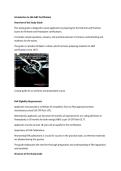
A study guide for an airframe and powerplant course.
FAA Eligibility Requirements
Applicants must provide a certificate of completion from an FAA-approved aviation
maintenance school (14 CFR Part 147).
Alternatively, applicants can document 18 months of experience for one rating (Airframe or
Powerplant) or 30 months for both ratings (A&P) as per 14 CFR Part 65.77.
Applicants must be at least 18 years old to qualify for the certification.
Importance of FAA Publications
Researching FAA publications is crucial for success in the practical exam, as reference materials
are allowed during this portion.
The guide emphasizes the need for thorough preparation and understanding of FAA regulations
and standards.
Structure of the Study Guide
,Sections Overview
The guide is divided into five main sections: General, Airframe Structures, Airframe Systems and
Components, Powerplant Theory and Maintenance, and Powerplant Systems and Components.
Each section contains multiple subjects that cover essential topics for the A&P exams.
Detailed Subject Breakdown
General Section: Covers basic electricity, aircraft drawings, weight and balance, fluid lines,
materials, and more.
Airframe Structures: Focuses on wood structures, aircraft covering, finishes, sheet metal,
welding, and inspection.
Powerplant Theory: Discusses reciprocating and turbine engines, engine inspection, and related
systems.
Exam Preparation Strategies
Oral and Practical Exam Insights
The Oral and Practical exams are not standardized; questions are generated from a question
bank by the FAA.
It is recommended to consult with the Designated Mechanic Examiner (DME) for insights on
what to expect during the exam.
Study Techniques
Engage in group study sessions to enhance learning and retention of material.
Utilize practical exercises and projects outlined in the guide to gain hands-on experience.
Appendices and Additional Resources
Practical Projects and Assignments
The guide includes practical projects such as FAR research, temperature conversions, and weight
and balance exercises.
Each project is designed to reinforce the knowledge required for the A&P exams.
Solutions and Reference Materials
Solutions to practical problems and exercises are provided in the appendices to aid self-
assessment and learning.
, A comprehensive list of FAA publications and reference guides is included for further study.
Overview of FAA Certification Requirements
Eligibility Criteria
Applicants must be at least 18 years old to qualify for FAA certification.
Proficiency in the English language is mandatory, including reading, writing, and speaking.
Candidates must pass the required written tests within a 24-month period to maintain eligibility.
Up to two forms of government-issued photo identification are required for verification.
Required Documentation
Documentation may include letters, DD-214 forms, and training certificates.
It is advisable to contact the local Flight Standard District Office (FSDO) for specific
documentation requirements.
The FAA Form 8610-2 (Airmen Certificate and/or Rating Application) must be completed in
original form, with no copies accepted.
FAA Written Tests (Step 2)
Test Scheduling and Fees
Written tests are administered by Computerized Test Designees (CTDs), which must be
scheduled in advance.
Testing fees typically range from $125.00 to $175.00, varying by CTD.
A simple electronic calculator is permitted during the test.
Testing Procedure
CTD personnel will explain the testing procedures upon arrival.
A computerized tutorial test is provided to familiarize candidates with the testing format.
The CTD may retain a copy of the FAA Form 8610-2 for their records, but the original must be
returned to the applicant.
Oral and Practical Exams (Step 3)
Exam Requirements
Overview of the Study Guide
This study guide is designed to assist applicants in preparing for the FAA Oral and Practical
Exams for Airframe and Powerplant certifications.
It includes sample questions, answers, and practical exercises to enhance understanding and
readiness for the exams.
The guide is a product of Baker's school, which has been preparing students for A&P
certifications since 1973.
A study guide for an airframe and powerplant course.
FAA Eligibility Requirements
Applicants must provide a certificate of completion from an FAA-approved aviation
maintenance school (14 CFR Part 147).
Alternatively, applicants can document 18 months of experience for one rating (Airframe or
Powerplant) or 30 months for both ratings (A&P) as per 14 CFR Part 65.77.
Applicants must be at least 18 years old to qualify for the certification.
Importance of FAA Publications
Researching FAA publications is crucial for success in the practical exam, as reference materials
are allowed during this portion.
The guide emphasizes the need for thorough preparation and understanding of FAA regulations
and standards.
Structure of the Study Guide
,Sections Overview
The guide is divided into five main sections: General, Airframe Structures, Airframe Systems and
Components, Powerplant Theory and Maintenance, and Powerplant Systems and Components.
Each section contains multiple subjects that cover essential topics for the A&P exams.
Detailed Subject Breakdown
General Section: Covers basic electricity, aircraft drawings, weight and balance, fluid lines,
materials, and more.
Airframe Structures: Focuses on wood structures, aircraft covering, finishes, sheet metal,
welding, and inspection.
Powerplant Theory: Discusses reciprocating and turbine engines, engine inspection, and related
systems.
Exam Preparation Strategies
Oral and Practical Exam Insights
The Oral and Practical exams are not standardized; questions are generated from a question
bank by the FAA.
It is recommended to consult with the Designated Mechanic Examiner (DME) for insights on
what to expect during the exam.
Study Techniques
Engage in group study sessions to enhance learning and retention of material.
Utilize practical exercises and projects outlined in the guide to gain hands-on experience.
Appendices and Additional Resources
Practical Projects and Assignments
The guide includes practical projects such as FAR research, temperature conversions, and weight
and balance exercises.
Each project is designed to reinforce the knowledge required for the A&P exams.
Solutions and Reference Materials
Solutions to practical problems and exercises are provided in the appendices to aid self-
assessment and learning.
, A comprehensive list of FAA publications and reference guides is included for further study.
Overview of FAA Certification Requirements
Eligibility Criteria
Applicants must be at least 18 years old to qualify for FAA certification.
Proficiency in the English language is mandatory, including reading, writing, and speaking.
Candidates must pass the required written tests within a 24-month period to maintain eligibility.
Up to two forms of government-issued photo identification are required for verification.
Required Documentation
Documentation may include letters, DD-214 forms, and training certificates.
It is advisable to contact the local Flight Standard District Office (FSDO) for specific
documentation requirements.
The FAA Form 8610-2 (Airmen Certificate and/or Rating Application) must be completed in
original form, with no copies accepted.
FAA Written Tests (Step 2)
Test Scheduling and Fees
Written tests are administered by Computerized Test Designees (CTDs), which must be
scheduled in advance.
Testing fees typically range from $125.00 to $175.00, varying by CTD.
A simple electronic calculator is permitted during the test.
Testing Procedure
CTD personnel will explain the testing procedures upon arrival.
A computerized tutorial test is provided to familiarize candidates with the testing format.
The CTD may retain a copy of the FAA Form 8610-2 for their records, but the original must be
returned to the applicant.
Oral and Practical Exams (Step 3)
Exam Requirements


