

Written by students who passed Immediately available after payment Read online or as PDF Wrong document? Swap it for free 4.6 TrustPilot
logo-home
Document preview thumbnail
Preview 3 out of 20 pages
Exam (elaborations)

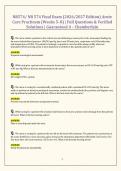
NR574/ NR 574 Final Exam (2026/2027 Edition) Acute Care Practicum (Weeks 5–8) | Full Questions & Verified Solutions | Guaranteed A – Chamberlain

Document preview thumbnail
Preview 3 out of 20 pages

NR574/ NR 574 Final Exam (2026/2027 Edition) Acute Care Practicum (Weeks 5–8) | Full Questions & Verified Solutions | Guaranteed A – Chamberlain Q. The nurse admits a patient to the critical care unit following a motorcycle crash. Assessment findings by the nurse include blood pressure 100/50 mm Hg, heart rate 58 beats/min, respiratory rate 30 breaths/min, and temperature of 100.5. The patient is lethargic, responds to voice but falls asleep readily when not stimulated. Which nursing action is most important to include in this patients plan of care? ANSWER Frequent neurological assessments Q. While caring for a patient with a traumatic brain injury, the nurse assesses an ICP of 20 mm Hg and a CPP of 85 mm Hg. What is the best interpretation by the nurse? ANSWER ICP is high; CPP is normal. Q. The nurse is caring for a mechanically ventilated patient with a sustained ICP of 18 mm Hg. The nurse needs to perform an hourly neurological assessment, suction the endotracheal tube, perform oral hygiene care, and reposition the patient to the left side. What is the best action by the nurse? ANSWER Provide rest periods between nursing interventions. Q. While caring for a patient with a basilar skull fracture, the nurse assesses clear drainage from the patients left naris. What is the best nursing action? ANSWER Place a nasal drip pad under the nose. Q. The nurse is caring for a patient who was hit on the head with a hammer. The patient was unconscious at the scene briefly but is now conscious upon arrival at the emergency department (ED) with a GCS score of 15. One hour later, the nurse assesses a GCS score of 3. What is the priority nursing action? ANSWER Notify the physician immediately. Q. The nurse is caring for a patient with an ICP of 18 mm Hg and a GCS score of 3. Following the administration of mannitol (Osmitrol), which assessment finding by the nurse requires further action? ANSWER CVP of 2 mm Hg Q. The nurse is caring for a mechanically ventilated patient with a brain injury. Arterial blood gas values indicate a PaCO2 of 60 mm Hg. The nurse understands this value to have which effect on cerebral blood flow? ANSWER Increased cerebral blood volume due to vessel dilation Q. The nurse assesses a patient with a skull fracture to have a Glasgow Coma Scale score of 3. Additional vital signs assessed by the nurse include blood pressure 100/70 mm Hg, heart rate 55 beats/min, respiratory rate 10 breaths/min, oxygen saturation (SpO2) 94% on oxygen at 3 L per nasal cannula. What is the priority nursing action? ANSWER Monitor the patients airway patency. Q. The nurse is caring for a patient who has a diminished level of consciousness and who is mechanically ventilated. While performing endotracheal suctioning, the patient reaches up in an attempt to grab the suction catheter. What is the best interpretation by the nurse? ANSWER The patient is exhibiting purposeful movement. Q. The nurse is caring for a patient admitted to the ED following a fall from a 10-foot ladder. Upon admission, the nurse assesses the patient to be awake, alert, and moving all four extremities. The nurse also notes bruising behind the left ear and straw-colored drainage from the left nare. What is the most appropriate nursing action? ANSWER Apply a small nasal drip pad. Q. While caring for a patient with a closed head injury, the nurse assesses the patient to be alert with a blood pressure 130/90 mm Hg, heart rate 60 beats/min, respirations 18 breaths/min, and a temperature of 102 F. To reduce the risk of increased intracranial pressure (ICP) in this patient, what is (are) the priority nursing action(s)? ANSWER Reduce ambient room temperature and administer antipyretics. Q. The nurse responds to a high heart rate alarm for a patient in the neurological intensive care unit. The nurse arrives to find the patient sitting in a chair experiencing a tonic-clonic seizure. What is the best nursing action? ANSWER Assist the patient to the floor and provide soft head support. Q. The nurse is caring for a mechanically ventilated patient admitted with a traumatic brain injury. Which arterial blood gas value assessed by the nurse indicates optimal gas exchange for a patient with this type of injury? ANSWER pH 7.38; PaCO2 35 mm Hg; HCO3 24 mEq/L; PaO2 85 mm Hg Q. The nurse is caring for a patient from a rehabilitation center with a preexisting complete cervical spine injury who is complaining of a severe headache. The nurse assesses a blood pressure of 180/90 mm Hg, heart rate 60 beats/min, respirations 24 breaths/min, and 50 mL of urine via indwelling urinary catheter for the past 4 hours. What is the best action by the nurse? ANSWER Assess for a kinked urinary catheter and assess for bowel impaction. Q. The nurse admits a patient to the emergency department with new onset of slurred speech and right-sided weakness. What is the priority nursing action? ANSWER Determine the time of symptom onset. Q. Which patient being cared for in the emergency department should the charge nurse evaluate first? ANSWER A patient with a complete spinal injury at the C5 dermatome level Q. The nurse admits a patient to the emergency department (ED) with a suspected cervical spine injury. What is the priority nursing action? ANSWER Maintain proper head and neck alignment. Q. The nurse is caring for a patient 3 days following a complete cervical spine injury at the C3 level. The patient is in spinal shock. Following emergent intubation and mechanical ventilation, what is the priority nursing action? ANSWER Monitor blood pressure. Q. The nurse receives a patient from the emergency department following a closed head injury. After insertion of an ventriculostomy, the nurse assesses the following vital signs: blood pressure 100/60 mm Hg, heart rate 52 beats/min, respiratory rate 24 breaths/min, oxygen saturation (SpO2) 97% on supplemental oxygen at 45% via Venturi mask, Glasgow Coma Scale score of 4, and intracranial pressure (ICP) of 18 mm Hg. Which physician order should the nurse institute first? ANSWER Mannitol 1 g intravenous Q. The nurse is caring for a patient 5 days following clipping of an anterior communicating artery aneurysm for a subarachnoid hemorrhage. The nurse assesses the patient to be more lethargic than the previous hour with a blood pressure 95/50 mm Hg, heart rate 110 beats/min, respiratory rate 20 breaths/min, oxygen saturation (SpO2) 95% on 3 L/min oxygen via nasal cannula, and a temperature of 101.5 F. Which physician order should the nurse institute first? ANSWER 500 mL albumin infusion intravenously Q. The nurse, caring for a patient following a subarachnoid hemorrhage, begins a nicardipine (Cardene) infusion. Baseline blood pressure assessed by the nurse is 170/100 mm Hg. Five minutes after beginning the infusion at 5 mg/hr, the nurse assesses the patients blood pressure to be 160/90 mm Hg. What is the best action by the nurse? ANSWER Increase the dose by 2.5 mg/hr. Q. The nurse is preparing to administer a routine dose of phenytoin (Dilantin). The physician orders phenytoin (Dilantin) 500 mg intravenous every 6 hours. What is the best action by the nurse? ANSWER Contact the physician Q. The nurse is caring for a patient admitted to the emergency department in status epilepticus. Vital signs assessed by the nurse include blood pressure 160/100 mm Hg, heart rate 145 beats/min, respiratory rate 36 breaths/min, oxygen saturation (SpO2) 96% on 100% supplemental oxygen by non-rebreather mask. After establishing an intravenous (IV) line, which order by the physician should the nurse implement first? ANSWER Administer lorazepam (Ativan). Q. The physician orders fosphenytoin (Cerebyx), 1.5 g intravenous (IV) loading dose for a 75-kg patient in status epilepticus. What is the most important action by the nurse? ANSWER Administer drug over 10 minutes. Q. The nurse is to administer 100 mg phenytoin (Dilantin) intravenous (IV). Vital signs assessed by the nurse include blood pressure 90/60 mm Hg, heart rate 52 beats/min, respiratory rate 18 breaths/min, and oxygen saturation (SpO2) 99% on supplemental oxygen at 3 L/min by cannula. To prevent complications, what is the best action by the nurse? ANSWER Administer over 5 minutes. Q. The nurse is preparing to administer 100 mg of phenytoin (Dilantin) to a patient in status epilepticus. To prevent patient complications, what is the best action by the nurse? ANSWER Ensure patency of intravenous (IV) line. Q. The nurse is caring for a patient admitted with a subarachnoid hemorrhage following surgical repair of the aneurysm. Assessment by the nurse notes blood pressure 90/60 mm Hg, heart rate 115 beats/min, respiratory rate 28 breaths/min, oxygen saturation (SpO2) 99% on supplemental oxygen at 3L/min by cannula, a Glasgow Coma Score of 4, and a central venous pressure (CVP) of 2 mm Hg. After reviewing the physician orders, which order is of the highest priority? ANSWER 500 mL albumin intravenous infusion Q. After receiving the hand-off report from the day shift charge nurse, which patient should the evening charge nurse assess first? ANSWER A patient with an intracranial pressure ICP of 20 mm Hg and an oral temperature of 104 F Q. The nurse has just received a patient from the emergency department with an admitting diagnosis of bacterial meningitis. To prevent the spread of nosocomial infections to other patients, what is the best action by the nurse? ANSWER Implement droplet precautions upon admission. Q. The nurse is caring for a patient admitted with bacterial meningitis. Vital signs assessed by the nurse include blood pressure 110/70 mm Hg, heart rate 110 beats/min, respiratory rate 30 breaths/min, oxygen saturation (SpO2) 95% on supplemental oxygen at 3 L/min, and a temperature 103.5 F. What is the priority nursing action? ANSWER Implement seizure precautions. Q. The nurse is preparing to monitor intracranial pressure (ICP) with a fluid-filled monitoring system. The nurse understands which principles and/or components to be essential when implementing ICP monitoring? (Select all that apply.) Recording ICP as a mean value ANSWER Zero referencing the transducer system In an unconscious patient, eye movements are tested by the oculocephalic response. Which statements regarding the testing of this reflex are true? (Select all that apply.) Dolls eyes absent indicate a disruption in normal brainstem processing. Dolls eyes present indicate brainstem activity. Eye movement in the opposite direction as the head when turned indicates an intact reflex. Increased intracranial pressure (ICP) is a contraindication to the assessment of this reflex. Presence of cervical injuries is a contraindication to the assessment of this reflex. The nurse is caring for a patient admitted with new onset of slurred speech, facial droop, and left-sided weakness 8 hours ago. Diagnostic computed tomography scan rules out the presence of an intracranial bleed. Which actions are most important to include in the patients plan of care? (Select all that apply.) Make frequent neurological assessments. Maintain MAP less than 130 mm Hg. Hepatorenal syndrome (HRS) functional form of renal failure that occurs primarily in pt with cirrhosis and ascites. Type 1 hepatorenal syndrome is characterized by... -rapidly progressive renal impairment -doubling of initial serum Cr to greater than 2.5mg/dL over a period less than 2 weeks -without liver transplant prognosis is very poor Type 2 hepatorenal syndrome is characterized by... -moderate form of renal failure -serum Cr levels between 1.5 to 2.5 mg/dL reduction in GFR with elevation in serum creatinine -associated with a more indolent course and improved survival compared to type 1 Risk Factors of hepatorenal syndrome Dilutional hyponatremia Previous episodes of ascites Presence of esophageal varices Poor nutritional status Infections such as spontaneous bacterial peritonitis Severe urinary sodium retention (urine sodium 5 milliequivalents/liter [mEq/L]) Large-volume paracentesis without albumin replacement Acute alcoholic hepatitis Low mean arterial blood pressure (map 80 mm Hg) subjective clinical presentation of hepatorenal syndrome Most clients with HRS have a known diagnosis of acute or chronic liver disease and present with nonspecific symptoms including: -dysgeusia (altered taste perception) -malaise -fatigue -decreased urine output. objective clinical presentation of hepatorenal syndrome HRS has no characteristic physical exam findings. It is important to assess the client for stigmata of chronic liver disease including: -spider nevi -scleral icterus -lower extremity edema -asterixis -abdominal distention -fluid wave -paraumbilical hernia -bruits. Dx criteria in hepatorenal syndrome 1. cirrhosis with ascites 2. increase in Cr 0.3 mg/dL within 48 hrs or 50% increase from baseline within a 7 day period response to a 2 consecutive day diuretic withdrawal and volume expansion w/ albumin 1g/kg body wt 4. absence of shock 5. no nephrotoxic drug use 6. no macroscopic signs of structural kidney injury (proteinuria 500 milligrams/deciliter[(mg/dL], microhematuria with 50 red blood cells per high-power field, and/or abnormal renal ultrasonography) What is the Creatinine criteria when diagnosing hepatorenal syndrome increase in serum creatinine of -greater than or equal to 0.3 mg/dL or -greater than or equal to 50% increase from baseline Cr this is within a 7 day period. What surgical intervention is used to treat hepatorenal syndrome? TIPS Procedure What is a TIPS procedure? The TIPS procedure bypasses a portion of the hepatic circulation by shunting blood flow from the portal vein to the hepatic vein -This reduces portal pressure and minimizes back pressure on the splanchnic organs. This also decreases the likelihood of bleeding from the esophageal varies and reduces the amount of ascites *Hemorrhage is a significant risk during TIPS What is the treatment of choice for both type 1 and type 2 HRS? Liver transplant. What medications are used to tx type 2 HRS? vasoconstrictors (terlipressin, midodrine in combination with octriotide, norepinephrine) combined with albumin. Bridge to transplant in Hepatorenal syndrome The combination of octreotide, midodrine, and albumin (triple therapy) is used to treat hepatorenal syndrome (HRS) often as a bridge to liver transplantation (LT). Module * Bridge to transplant* In clients who do not respond to medical therapy, are not candidates for TIPS but are candidates for liver transplantation or recovery for their liver disease, continuous renal replacement therapy can be utilized as a bridge to recovery or transplantation. HRS clients typically do not tolerate hemodialysis well. Joaquin is a 22-year-old male who presents to the emergency department (ED) with a 1-week history of headache, concentration difficulty, fatigue, nausea, and vague abdominal pain. He became concerned this morning when he noticed that the whites of his eyes appeared yellow. History is significant for epilepsy, which he has had since childhood but is well-controlled with antiepileptic medication. There is no known history of liver disease. Notable physical exam findings include scleral icterus, generalized abdominal tenderness, and new-onset ascites. Urine alcohol and drug screen were negative. Labs reveal severe transaminitis, hyperbilirubinemia, hyperammonemia, and coagulopathy. The most likely diagnosis is: a. Cirrhosis b. Acute liver failure c. Acute hepatitis A d. Acute gastroenteritis Acute liver failure Rationale: Acute liver failure is an abrupt onset of liver failure, characterized by hepatic encephalopathy, jaundice, and coagulopathy in the absence of pre-existing liver disease which has been present for less than 26 weeks. Joaquin’s symptoms are classic for that of acute liver failure with antiepileptic medication as his biggest risk factor. For causes other than acetaminophen toxicity, the onset of symptoms may be gradual and non-specific such as fatigue, malaise, and changes in behavior or concentration. Asymptomatic jaundice and new-onset ascites may also be present. Cirrhosis is a chronic disorder and is considered an end-stage liver disease. Chadwick presents to the ED following a suicide attempt. He reports swallowing approximately 10,000 milligrams (mg) of acetaminophen 4-hours ago. An hour ago, he began to develop generalized abdominal pain, nausea, and vomiting at which time he asked his brother to take him to the hospital. Shortly after arrival, he becomes confused and agitated. Labs reveal INR of 3.0, acute kidney injury (AKI) with creatinine 2.0, severe transaminitis, and lactic acidosis. Urine toxicology showed an acetaminophen level of 200 milligrams per kilogram. Serum alcohol was negative. The AGACNP knows that the best initial treatment for Chadwick is: a. Administer fresh frozen plasma (FFP) to reverse the coagulopathy b. Consult nephrology to begin hemodialysis c. Administer N-acetylcysteine (Mucomyst) d. Consult the liver transplant team Administer N-acetylcysteine (Mucomyst) Rationale: All clients with ALF should receive N-acetylcysteine (NAC), regardless of its etiology, upon admission as it has been shown to improve transplant-free recovery. In this case, N-acetylcysteine is the treatment for acetaminophen toxicity. While the client has a coagulopathy, there are no signs that Chadwick is actively bleeding. Consulting nephrology and gastroenterology is important but administering Mucomyst is a higher priority. Consulting the liver transplant team before administering or assessing response to treatment is inappropriate. Continuous renal replacement therapy can be utilized as a bridge to recovery or transplantation. HRS clients typically do not tolerate hemodialysis well. Rhabdomyolysis Rhabdomyolysis is a potentially life-threatening condition that occurs following skeletal muscle injury. -dissolution of striated muscle (caused by trauma, extreme exertion, or drug toxicity; in severe cases renal failure can result) When the muscle injury occurs, what is released into the blood stream? muscle fibers release large quantities of potassium, phosphate, creatinine kinase (CK), and myoglobin, a small protein that binds oxygen, into the circulation. -As an unbound protein, myoglobin is excreted by the kidneys but can precipitate and cause renal tubular obstruction. What happens to myoglobin in Rhabdo? myoglobin is release from skeletal muscle during injury. it binds to oxygen in excessive amount, as see with rhabdo, it is unbound. when unbound it has to be excreted through the kidneys which can cause renal tubular obstruction. Risk factors of Rhabdomyolysis Trauma, muscle compression, or ischemia Heat-related causes Infection with bacteria or viruses that can directly attack the muscle Metabolic factors Genetic factors Medications that may cause direct myotoxicity Toxins which may cause indirect myotoxicity Exertional activity Nutritional supplements which contain substances that may induce muscle injury Subjective findings of Rhabdo (patient) muscle pain, dark urine and muscle weakness. Other symptoms commonly associated with rhabdomyolysis can be nonspecific such as fever, nausea, and vomiting, which developed over hours to days Physical exam findings in Rhabdo muscle tenderness soft tissue swelling bruising skin changes consistent with pressure necrosis muscle weakness confusion, delirium, agitation anuria Rhabdomyolysis is diagnosed when the following are present: (2) dark urine or an acute neuromuscular illness without other symptoms PLUS an acute elevation in serum creatine kinase (typically at least five times the upper limit of normal). Lab work for Rhabdo CK, serum myoglobin, urine myoglobin CBC w/Diff, LFT, electrolytes, Renal function, serum tox, PTT/aPTT What is the most reliable testing for dx rhabdo? Creatinine kinase (CK) CK will be markedly elevated, typically 1000 IU/L (normal = 45-260 IU/L) with rhabdomyolysis. will start rising between 2-12 hours of injury and will peak at 24-72 hours Do you need an EKG for rhabdo? Yes. assessing for arrhythmias associated with hypocalcemia and hyperkalemia. continuous cardiac monitoring is recommended What is the initial management of a rhabdo patient? FLUIDS & electrolyte maintenance. Rhabdo fluid administration is recommended for what? The initial management of rhabdomyolysis includes fluid resuscitation to prevent end-organ damage such as acute renal failure. Fluid treatment for rhabdo consist of...? Isotonic sodium chloride fluid initiated ASAP rate: 400 mL/hrs titrate to maintain a urine output of at least 200 mL per hour. If a patient with rhabdo has a CK level greater than 15,000 IU/L, how much fluid should the patient receive? at minimum 6L of fluid are required What electrolyte abnormalities occur with rhabdo? Hyperkalemia Hypocalcemia Hyperuricemia Hyperphosphatemia How is hyperkalemia tx in rhabdo patients? Treatment of hyperkalemia consists of IV glucose sodium bicarbonate insulin, sodium polystyrene sulfonate; in severe or refractory cases, hemodialysis is sometimes required. How often should a CK level be drawn and why? least every 6-12 hours to establish a peak level and then subsequently a downward trend. Sylvie is a 26-year-old who presents to the emergency department (ED) after just finishing a full marathon. She complains of feeling lightheaded, nauseous, and has vomited twice since completing the race. Her legs feel tired, weak, and sore which she attributes to running 26.2 miles. She reports that she didn't stop to rehydrate as much as she would have liked because she was intent on finishing with her personal best time. She became very concerned when she went to use the restroom and noticed that her urine was dark - almost like tea. The AGACNP suspects rhabdomyolysis. Which test is needed to confirm the diagnosis? a. urine dipstick b. urine myoglobin c. serum creatine kinase d. serum myoglobin c. serum creatine kinase Rationale: Rhabdomyolysis can be diagnosed when the following are present: Dark urine or an acute neuromuscular illness without other symptoms PLUS An acute elevation in serum creatine kinase (typically at least five times the upper limit of normal). Sylvie's EKG shows markedly elevated T waves and prolongation of the PR and QRS intervals. The AGACNP should anticipate which of the following results? a. hyperkalemia b. hypercalcemia c. hypouricemia d. hypophosphatemia a. hyperkalemia (Correct answer) Rationale: Hyperkalemia, hypocalcemia, hyperphosphatemia, and hyperuricemia are common electrolyte disorders seen with rhabdomyolysis. EKG changes reflective of hyperkalemia include elevated T-waves and prolonged PR and QRS. Hyperkalemia can result in cardiac arrhythmias or cardiac arrest and must be treated immediately. Treatment of hyperkalemia consists of IV glucose, sodium bicarbonate, and insulin, sodium polystyrene sulfonate; and in severe or refractory cases, hemodialysis is sometimes required. Risk factors for acute intestinal obstruction? Adhesions from previous abdominal surgery Internal or external hernias Foreign bodies Feces Congenital issues (atresia, stenosis, cyst formation, intestinal duplication, and malrotation) Trauma (hematoma formation) Inflammation (inflammatory bowel disease, diverticulitis, radiation, and tuberculosis) Neoplasms including carcinomatosis, colon cancer, primary small bowel cancer, and extraintestinal malignancies such as ovarian cancer Endometriosis Volvulus Ischemic injury Intussusception Intraperitoneal abscess Subjective findings of acute intestinal obstruction Most common: colicky abdominal pain (cramping periumbilical pain initially; later becomes constant and diffuse) abdominal pain often more severe with distal obstruction vomiting (more significant with proximal obstruction) abdominal bloating obstipation What key information should be discussed during H/P, if you are concerned for bowel obstruction? History should include essential elements such as previous abdominal or pelvic surgeries, comorbid conditions such as inflammatory bowel disease or malignancy. Objective findings in a patient with intestional obstruction? Key physical exam findings may include: Fever (systemic inflammation or strangulation) High-pitched, tinkling, bowel sounds (may be hypoactive or absent with complete obstruction) Abdominal distention (more significant with distal obstruction due to the greater volume of intraluminal fluid accumulation) Mild abdominal tenderness but no peritoneal findings Tender abdominal or groin masses (can represent incarcerated hernia) Signs of shock (tachycardia, hypotension, oliguria) Significant abdominal tenderness with palpation should increase the NP's suspicion for? ischemia, peritonitis, or necrosis. why is a serum lactate useful in dx a bowel obstruction? Serum lactate (increased serum lactate should raise concern for strangulated obstruction) what diagnostic imaging should b used for bowel obstruction? plain film xray what will a plain film xray show if a patient has a bowel obstruction? Obstruction will reveal dilated loops of bowel and visible air-fluid levels which should prompt further studies. A horizontal pattern of dilated small bowel loops can be seen with small bowel obstruction (SBO) as shown in the following photo. Should barium contrast be given to a patient with a bowel obstruction NO! Imaging studies requiring administration of barium are contraindicated in cases of high-grade or complete obstruction. What does barium contrast do within the body with a bowel obstruction? Barium should NEVER be given orally to a client until the diagnosis of obstruction has been excluded completely as retained barium can cause concretions which create an additional source of blockage which can require surgical intervention in clients who may have otherwise recovered. Retained barium also severely limits the ability to interpret subsequent angiography or cross-sectional imaging. Tx of bowel obstruction Gen, surg consult NG tube (intermittent suction) for decompression fluid rescusitation electrolyte management as indicated complete obstruction: immediate surgical intervention Superior Vena Cava Syndrome (SVCS) SVCS is the clinical manifestation of SVC obstruction with severe reduction in venous return from the head, neck, and upper extremities. What is responsible for the majority of SVCS cases? malignant tumors, such as lung cancer, lymphoma, and metastatic tumors. Subjective findings with SVCS patients Commonly: neck and facial swelling (especially around the eyes) dyspnea, and cough other symptoms: hoarseness, tongue swelling, headaches, nasal congestion, epistaxis, hemoptysis, dysphagia, pain, dizziness, syncope, and lethargy. what can cause symptoms of SVCS to become worse? bending down, laying supine, position changes. Physical exam findings of SVCS dilated neck veins increase number of collateral veins covering the anterior chest wall cyanosis edema of the face, arms and chest. typically will be worse when the patient is laying supine treatment of SVCS symptomatic relief: diuretics w/ low sodium diet head elevation supplemental 02 Radiation therapy is the primary treatment for SVCS. obstruction needs to be taken care of to relief symptoms. Abd Pain in the RLQ Pain appendicitis ectopic preg nephrolithiasis, ABD PAIN: "RUQ pain" is a red flag for.. cholecystitis pancreatitis (refered pain) PNA/empyema hepatitis ABD PAIN: "LUQ pain" is a red flag for.. pancreatitis ABD PAIN: "LLQ pain" is red flag for.. Diverticulitis ectopic nephrolithiasis IBS Periumbilical abd pain gastroenteritis early appy bowel obstruction Ruptured aortic aneurysm epigastric pain PUD gastritis GERD pancreatitis MI pericarditis Ruptured AA Abd pain differential Appy gallstones pancratitis diverticulitis ulcer disease esophagitis GI obstruction IBD renal stone Acute mesenteric ischemia (AMI) occurrence of abrupt cessation of mesenteric blood flow, usually embolic or thrombotic in nature. Risk factors for Arterio-Occlusive Mesenteric Ischemia -Acute mesenteric arterial thrombosis -Acute mesenteric arterial embolism -Mesenteric venous thrombosis Acute mesenteric arterial thrombosis causes aortic dissection/aneurysm, arteritis, atherosclerotic vascular disease, decreased output from congestive heart failure [CHF]or myocardial infarction [MI]) Acute mesenteric arterial embolism causes emboli from fragments of proximal aortic thrombus cardiac emboli atheromatous plaque dislodged during surgery or catheterization Mesenteric venous thrombosis causes vasopressors, cocaine, ergotamine, digitalis, and hypotension Clients with severe acute abdominal pain that seems disproportional to physical exam findings, or that are resistant to opioid therapy, should be suspected as having ? Acute mesenteric Ischemia Clinical Tip: Clients often have a normal abdominal examination with mild to no tenderness to palpation in contrast with a report of severe abdominal pain. when splanchnic perfusion fails to meet the metabolic demands of the intestines, resulting in ischemia tissue injury is what? Intestinal Ischemia embolis etiology involved with AMI includes afib recent MI soft atherosclerotic plaque infective endocarditis valvular heart disease recent cardiac or vascular catheterization. subjective findings of AMI severe, acute, unremitting abd pain strikingly out of proportion to the physical findings n/v/d, blood per rectum. later findings are peritonitis and cardiovascular collapse. imaging to Dx AMI Gold standard: CT angio with a 1-mm or thinner cut should be used to detect mesenteric arterial occlusive disease. Hepatic steatosis (fatty liver) Nonalcoholic hepatic steatosis, or nonalcoholic fatty liver disease (NAFLD), is one of the most common causes of chronic liver disease in the developed world. It is a spectrum of disease, ranging from hepatic fat accumulation without inflammation to steatohepatitis, fibrosis, cirrhosis, and end-stage liver disease. risk factors of hepatic steatosis NAFLD is strongly associated with insulin resistance, overweight/obesity, and metabolic syndrome can occur in thin people with paucity of adipose depots(lipodystrophy) nonalcoholic steatohepatitis (NASH) a more severe form of nonalcoholic fatty liver disease. it consists of fatty accumulations plus liver-damaging inflammation. in some cases, this will progress to cirrhosis, irreversible liver scarring or liver cancer Imaging used for NASH Hepatic US and CT scan Unfortunately, at the present time, no imaging study can accurately distinguish simple fatty liver from NASH. blood levels of acetaminophen correlate with severity of hepatic injury levels 300 ug/mL 4 hours after ingestion are predicative of the development of severe damage. Treatment of Tylenol OD gastric lavage supportive measures oral administration of activated charcoal or cholestyramine to prevent residual of the drug. activated charcoal and cholestyramine should be done how soon after ingestion or else they wont do anything? 30minutes from ingestion time gastric lavage should be done before other orals. N-acetylcysteine reduces markedly the severity of? hepatic necrosis N-acetylcysteine should be given when? 4-8 hours after ingestion if the blood levels of tylenol are 200ug/mL at 4 hours or 100 ug/mL at 8 hours. IV N-acetylcysteine dose loading dose: 140 mg/kg over 1 hour followed by 70 mg/kg every 4 hours for 15-20 doses. When is liver transplantation indicated in pt with tylenol OD? hepatic failure signs (jaundice, coagulopathy, confusion) occur after N-acetylcysteine dose, live transplant may be the only option. what does serum lactate tell us about the need for liver transplant? is serum lactate is 3.5 - likely will require liver transplant to survive.

Content preview

NR574/ NR 574 Final Exam (2026/2027 Edition) Acute
Care Practicum (Weeks 5–8) | Full Questions & Verified
Solutions | Guaranteed A – Chamberlain

Q. The nurse admits a patient to the critical care unit following a motorcycle crash. Assessment findings by
the nurse include blood pressure 100/50 mm Hg, heart rate 58 beats/min, respiratory rate 30 breaths/min,
and temperature of 100.5. The patient is lethargic, responds to voice but falls asleep readily when not
stimulated. Which nursing action is most important to include in this patients plan of care?

ANSWER
Frequent neurological assessments


Q. While caring for a patient with a traumatic brain injury, the nurse assesses an ICP of 20 mm Hg and a CPP
of 85 mm Hg. What is the best interpretation by the nurse?

ANSWER
ICP is high; CPP is normal.


Q. The nurse is caring for a mechanically ventilated patient with a sustained ICP of 18 mm Hg. The nurse
needs to perform an hourly neurological assessment, suction the endotracheal tube, perform oral hygiene care,
and reposition the patient to the left side. What is the best action by the nurse?

ANSWER
Provide rest periods between nursing interventions.


Q. While caring for a patient with a basilar skull fracture, the nurse assesses clear drainage from the patients
left naris. What is the best nursing action?

ANSWER
Place a nasal drip pad under the nose.


Q. The nurse is caring for a patient who was hit on the head with a hammer. The patient was unconscious at
the scene briefly but is now conscious upon arrival at the emergency department (ED) with a GCS score of 15.
One hour later, the nurse assesses a GCS score of 3. What is the priority nursing action?

ANSWER
Notify the physician immediately.


1

,Q. The nurse is caring for a patient with an ICP of 18 mm Hg and a GCS score of 3. Following the
administration of mannitol (Osmitrol), which assessment finding by the nurse requires further action?

ANSWER
CVP of 2 mm Hg


Q. The nurse is caring for a mechanically ventilated patient with a brain injury. Arterial blood gas values
indicate a PaCO2 of 60 mm Hg. The nurse understands this value to have which effect on cerebral blood flow?

ANSWER
Increased cerebral blood volume due to vessel dilation


Q. The nurse assesses a patient with a skull fracture to have a Glasgow Coma Scale score of 3. Additional vital
signs assessed by the nurse include blood pressure 100/70 mm Hg, heart rate 55 beats/min, respiratory rate
10 breaths/min, oxygen saturation (SpO2) 94% on oxygen at 3 L per nasal cannula. What is the priority
nursing action?

ANSWER
Monitor the patients airway patency.


Q. The nurse is caring for a patient who has a diminished level of consciousness and who is mechanically
ventilated. While performing endotracheal suctioning, the patient reaches up in an attempt to grab the suction
catheter. What is the best interpretation by the nurse?

ANSWER
The patient is exhibiting purposeful movement.


Q. The nurse is caring for a patient admitted to the ED following a fall from a 10-foot ladder. Upon admission,
the nurse assesses the patient to be awake, alert, and moving all four extremities. The nurse also notes bruising
behind the left ear and straw-colored drainage from the left nare. What is the most appropriate nursing action?

ANSWER
Apply a small nasal drip pad.


Q. While caring for a patient with a closed head injury, the nurse assesses the patient to be alert with a blood
pressure 130/90 mm Hg, heart rate 60 beats/min, respirations 18 breaths/min, and a temperature of 102 F. To
reduce the risk of increased intracranial pressure (ICP) in this patient, what is (are) the priority nursing
action(s)?

ANSWER
Reduce ambient room temperature and administer antipyretics.
2

, Q. The nurse responds to a high heart rate alarm for a patient in the neurological intensive care unit. The
nurse arrives to find the patient sitting in a chair experiencing a tonic-clonic seizure. What is the best nursing
action?

ANSWER
Assist the patient to the floor and provide soft head support.


Q. The nurse is caring for a mechanically ventilated patient admitted with a traumatic brain injury. Which
arterial blood gas value assessed by the nurse indicates optimal gas exchange for a patient with this type of
injury?

ANSWER
pH 7.38; PaCO2 35 mm Hg; HCO3 24 mEq/L; PaO2 85 mm Hg


Q. The nurse is caring for a patient from a rehabilitation center with a preexisting complete cervical spine
injury who is complaining of a severe headache. The nurse assesses a blood pressure of 180/90 mm Hg, heart
rate 60 beats/min, respirations 24 breaths/min, and 50 mL of urine via indwelling urinary catheter for the past
4 hours. What is the best action by the nurse?

ANSWER
Assess for a kinked urinary catheter and assess for bowel impaction.


Q. The nurse admits a patient to the emergency department with new onset of slurred speech and right-
sided weakness. What is the priority nursing action?

ANSWER
Determine the time of symptom onset.


Q. Which patient being cared for in the emergency department should the charge nurse evaluate first?
ANSWER
A patient with a complete spinal injury at the C5 dermatome level


3

Document information

Uploaded on
April 17, 2026
Number of pages
20
Written in
2025/2026
Type
Exam (elaborations)
Contains
Questions & answers
$11.49

Wrong document? Swap it for free Within 14 days of purchase and before downloading, you can choose a different document. You can simply spend the amount again.
Written by students who passed
Immediately available after payment
Read online or as PDF

Sold
4
Followers
0
Items
374
Last sold
2 months ago


Why students choose Stuvia

Created by fellow students, verified by reviews

Quality you can trust: written by students who passed their exams and reviewed by others who've used these revision notes.

Didn't get what you expected? Choose another document

No problem! You can straightaway pick a different document that better suits what you're after.

Pay as you like, start learning straight away

No subscription, no commitments. Pay the way you're used to via credit card and download your PDF document instantly.

Student with book image

“Bought, downloaded, and smashed it. It really can be that simple.”

Alisha Student

Working on your references?

Create accurate citations in APA, MLA and Harvard with our free citation generator.

Working on your references?

Frequently asked questions

